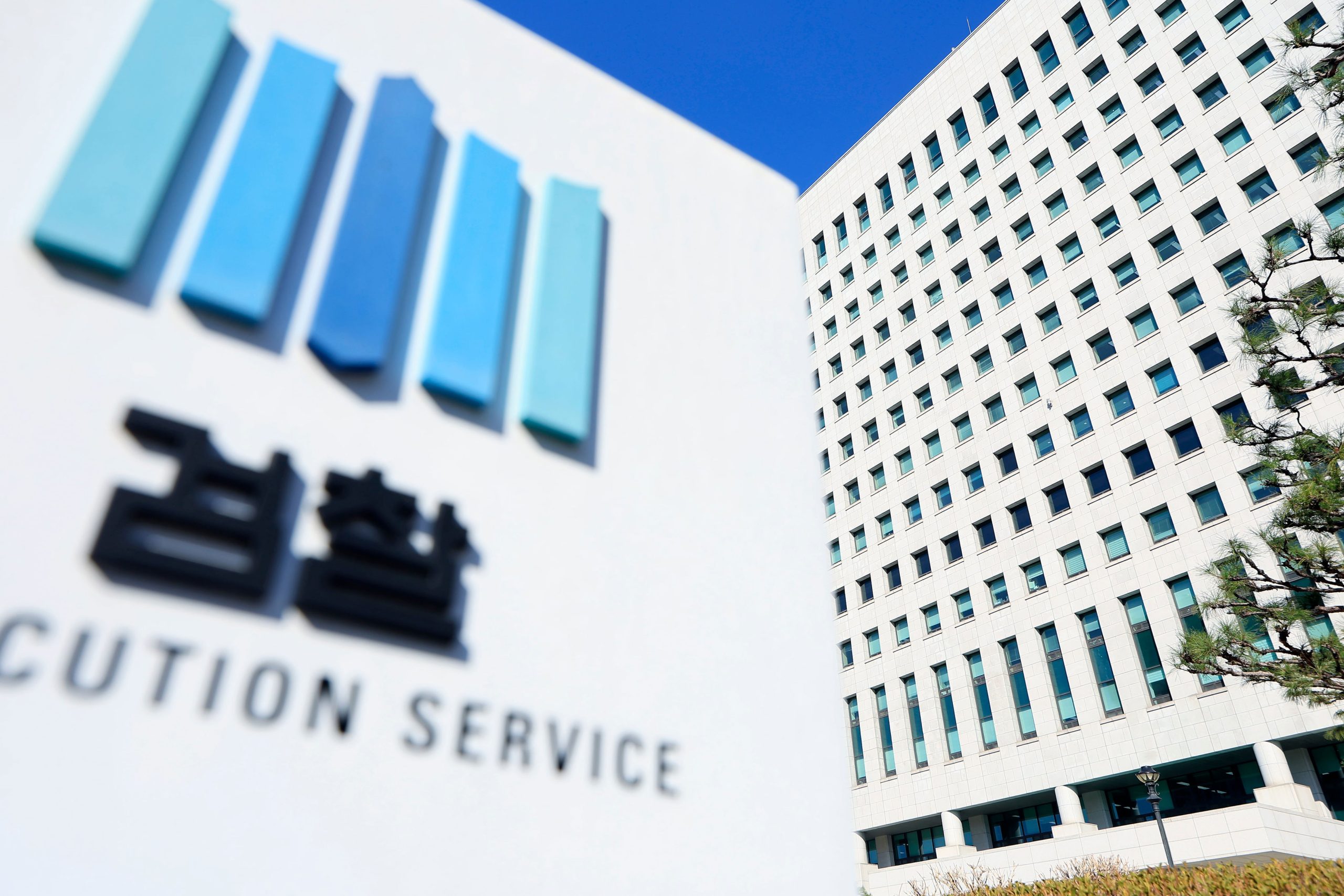
Prosecutors Grapple with Overwhelmed Workload Amidst Systemic Overhaul
The Korean prosecution system is facing a significant crisis, with prosecutors at various branches reportedly overwhelmed by an unprecedented backlog of unsolved cases. The Cheonan Branch of the Daejeon District Prosecutors’ Office, for instance, is experiencing a severe strain, with the number of unsolved cases per prosecutor allegedly exceeding 500. This figure represents more than a twofold increase compared to the previous year, when the average stood at around 200 cases per prosecutor.
This dramatic surge in unresolved cases is largely attributed to the large-scale reassignment of prosecutors to special counsel and joint investigation headquarters established by the current administration. The Cheonan Branch, which is allocated a quota of 30 regular prosecutors, currently operates with only 12, a stark reduction that significantly hampers its operational capacity. Compounding this issue, seven of the remaining prosecutors are reportedly new recruits, lacking the experience to tackle the complex caseload. Consequently, the pace of case processing has inevitably slowed to a crawl. In a clear indicator of the dire situation, two prosecutors have reportedly submitted their resignations, citing a lack of hope due to the impending abolition of the prosecution and the pursuit of alternative career paths. Experts warn that if this trend continues, the Cheonan Branch could face functional paralysis, effectively reaching a state of “bankruptcy.”
The challenges are not isolated to the Cheonan Branch. Similar strains are being reported at larger prosecution offices, including the Busan and Suwon District Prosecutors’ Offices. In these major hubs, the number of active regular prosecutors is reportedly only half of their allocated quotas. Under such compromised staffing levels, effective case processing becomes an increasingly improbable task. The statistics paint a grim picture: the number of long-pending unsolved cases – those that have remained unresolved for over three months – has more than doubled in the past year, escalating from 18,198 in 2024 to a staggering 37,421 last year.
Erosion of Motivation and the Shadow of Legal Scrutiny
Historically, prosecution leadership would actively encourage and incentivize prosecutors to expedite case processing, often leading to extensive overtime work. However, this proactive approach appears to have waned significantly. The current administration’s introduction of legislation targeting “law distortion crimes” has cast a long shadow, creating an environment where even prosecutors willing to put in extra hours are hesitant to do so. The inherent risk of facing accusations of law distortion for handling a high volume of cases has created a chilling effect. In such a climate, the question arises: which prosecutor would approach their work with enthusiasm and dedication?
Victims of Neglect: Ordinary Citizens Bear the Brunt
The vast majority of these accumulating unsolved cases involve common crimes such as fraud, assault, sex crimes, and voice phishing. These are precisely the offenses that disproportionately affect ordinary citizens, leaving them vulnerable and without recourse.
An Uncertain Transition to a New Criminal Justice System
The nation is on the cusp of a significant shift in its criminal justice framework, with a new system slated to take effect in October. This new structure proposes a division of labor, where the police and a newly established serious crimes investigation agency will be responsible for investigations, while the prosecution will focus solely on indictments. However, with six months remaining until this transition, a period that is far from insignificant, the current operational paralysis within the prosecution threatens to exacerbate the existing crisis. Prosecutors are already struggling to perform their duties, and their motivation has evaporated. The sense of duty and responsibility that once defined the profession appears to be diminishing. The potential collapse of investigative agencies and their descent into dormant institutions would invariably benefit criminals, leaving the public to bear the brunt of increased insecurity.
Navigating the Transition: Risks and Responsibilities
As the serious crimes investigation agency prepares to launch, the prosecution will be tasked with transferring ongoing cases to it or other investigative bodies. Even cases that must remain under the prosecution’s purview due to impending statutes of limitations will need to be resolved within a tight 90-day window or be transferred. This intricate process carries a significant risk of allowing numerous criminals to evade justice. If the serious crimes investigation agency commences operations amidst a surge of unsolved cases, the sheer volume of pending matters could itself become a formidable obstacle before investigations can even begin. The ruling party faces a critical challenge: not only to manage the restructuring of the prosecution but also to actively cultivate an environment that enables prosecutors to effectively carry out their duties during this crucial transitional period.