A Global Food Crisis Looms Due to Fertiliser Supply Disruptions
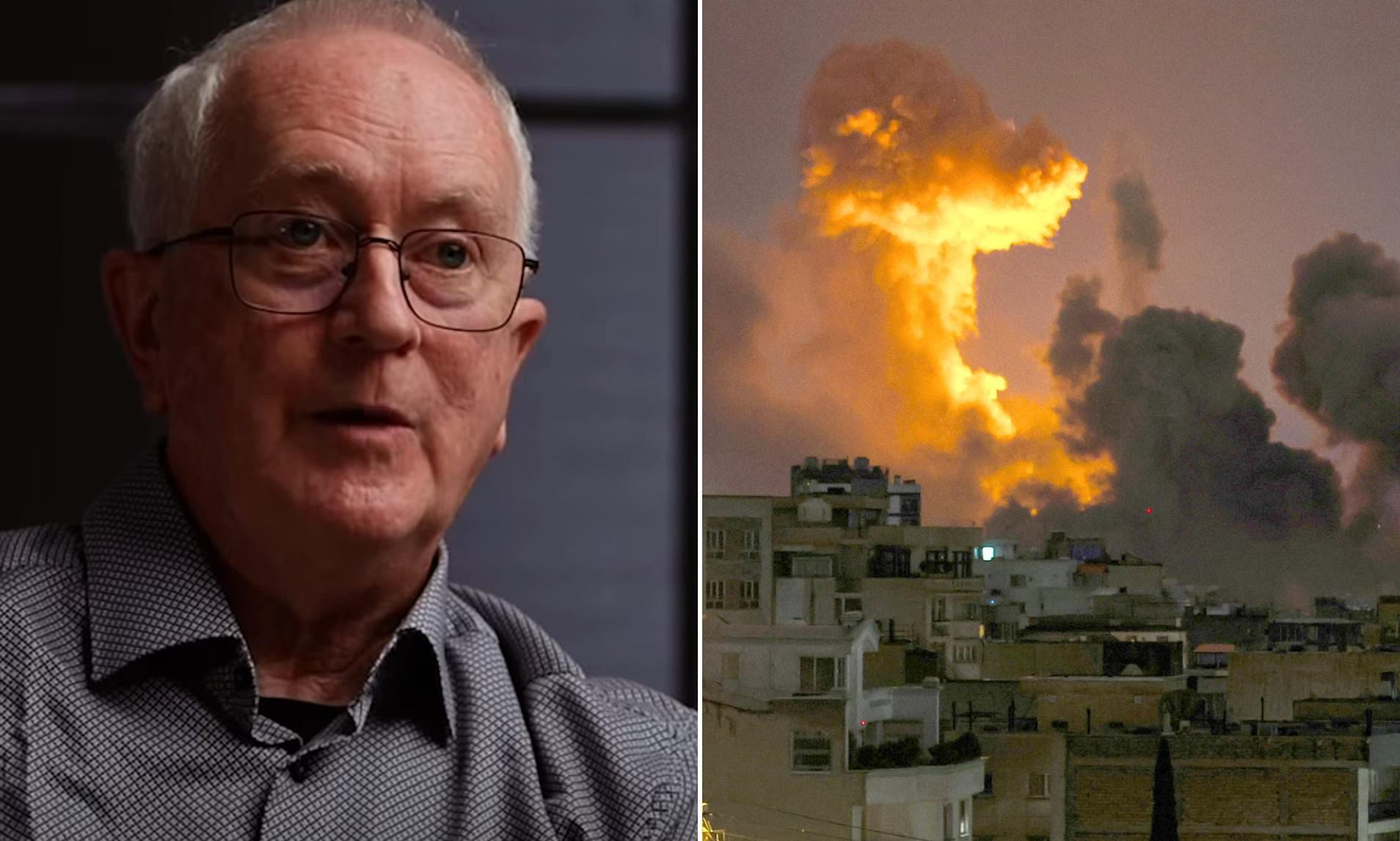
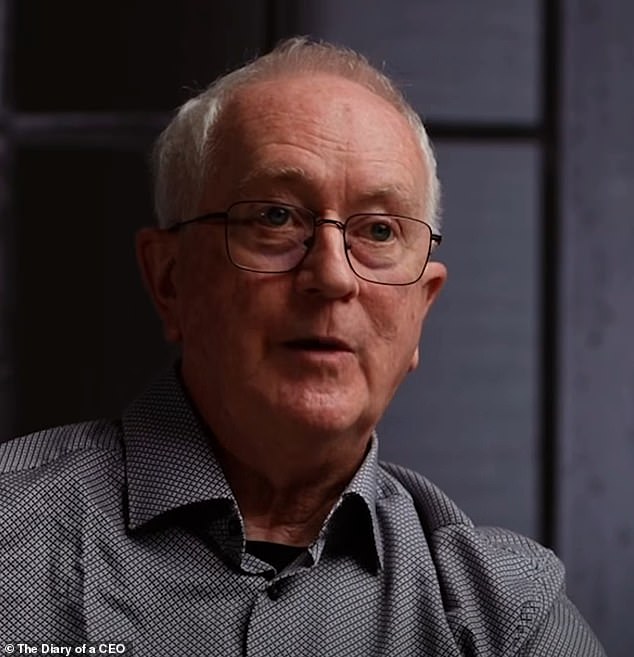
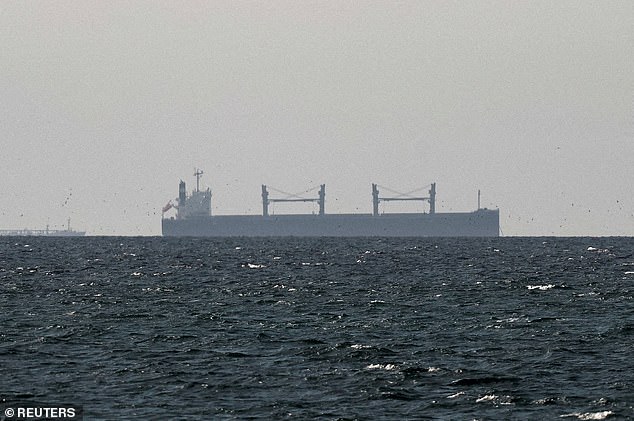
A leading Australian economist, Steve Keen, has issued a dire warning about the potential for a global food crisis if disruptions to fertiliser supplies through the Strait of Hormuz continue. This critical waterway is a key route for the transportation of essential agricultural inputs such as ammonia, sulphur, and natural gas. These materials are vital for modern farming practices, and their disruption could have catastrophic consequences.
Keen, who accurately predicted the 2008 financial crash, emphasized that without synthetic fertilisers, the Earth could sustain only one to two billion people, significantly lower than the current global population of around eight billion. He highlighted that approximately 20 to 30 per cent of the world’s fertiliser passes through the Strait of Hormuz. If this supply were to be cut off by even 20 per cent, it could result in a similar reduction in global food production, potentially leading to widespread famine.

This potential crisis would not be confined to any single region, unlike past famines that were typically localized. Keen warned that a disruption on this scale would affect multiple countries simultaneously, creating a global shortage of food. He stressed that unless the conflict ends immediately, a global famine could begin within two months, with India likely to face the most immediate impact due to its reliance on fertiliser imports.
Keen also cautioned that wealthy nations cannot assume they are immune to the effects of such a crisis. Using Australia as an example, he pointed out that the country holds only about 30 days’ worth of oil supplies. This means that once fuel runs out, the transportation of food from farms to cities would become impossible, exacerbating the situation.
Australia sources approximately two-thirds of its fertiliser and urea from Middle Eastern suppliers, primarily Saudi Arabia, Qatar, and the United Arab Emirates. Indonesia, a major player in the global fertiliser market, has pledged to continue supplying Australia. However, Indonesia’s available exports of fertiliser and urea are limited, with only about 1.5 million to 2 million tonnes available for export, while Australia consumed 8.7 million tonnes of fertiliser in 2024.
Rahmad Pribadi, head of Indonesia’s state-owned fertiliser producer Pupuk Indonesia, confirmed that exports to Australia would continue. He emphasized the importance of food security as a shared responsibility due to the interconnected value chains between the two countries. “It is in Indonesia’s interests for Australia to remain a strong agricultural producer and exporter,” he stated.
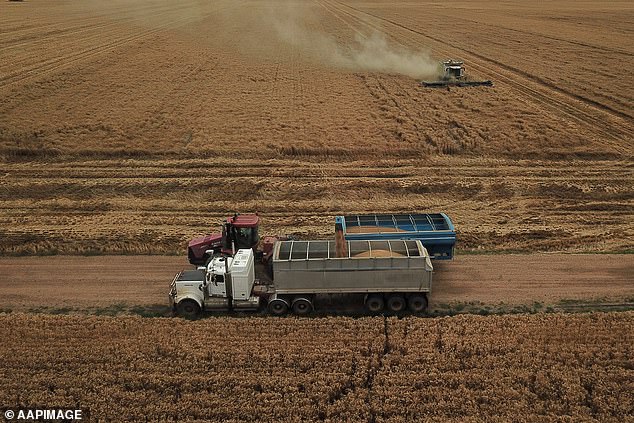
Farmers in Australia have raised concerns about the potential for a significant drop in food production due to rising fuel and fertiliser costs. Hamish McIntyre, president of the National Farmers’ Federation, noted that while there is enough urea on ships and in Australia to secure the winter crop, there may not be sufficient supplies to apply in-crop and prepare for summer crops.
The World Food Program estimates that the Iran conflict could push 45 million additional people into acute hunger by mid-2026, with as many as 343 million people already facing acute levels of food insecurity. Corinne Fleischer, director of supply chain at the WFP, expressed concern about the long-term impact of the war on food access for vulnerable families.
Keen suggested that Australians could mitigate some of the downstream consequences of the crisis by becoming more self-sufficient. He advocated for the development of alternative energy systems, such as solar power, to ensure energy security. While he admitted he has no experience in growing his own food, he encouraged individuals to explore ways to produce their own food as a form of insulation against global food shortages.
“If you have some degree of self-sufficiency, you can survive. Money doesn’t matter if you can’t buy the product in the first instance, the product doesn’t exist anymore.”