The Unseen Life: Inside the World of Lucy Letby’s Devoted Parents
The walls of the Letby family home in Hereford are a testament to a life meticulously documented. Photographs of their only daughter, Lucy, adorn nearly every surface. In the lounge, a framed portrait captures her as a toddler, complete with a neat fringe and a navy velvet bow. Staircases are lined with school photographs, some dating back over two decades, while a graduation picture in an ornate frame holds pride of place. Holiday snaps, handwritten cards, and cherished trinkets fill windowsills and noticeboards, creating what one visitor described to the Daily Mail as “like a shrine” to their sole child.

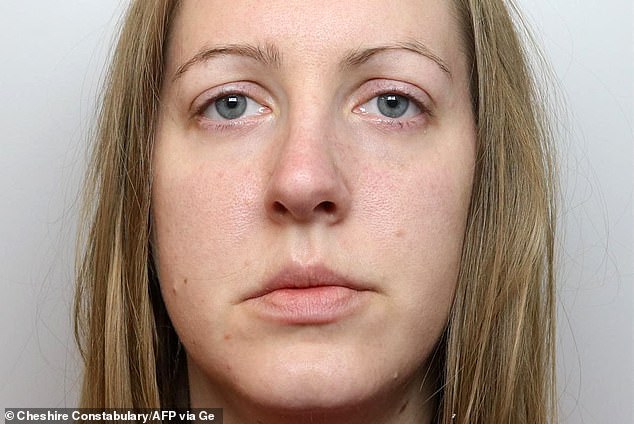
This is the home of Lucy Letby, the neonatal nurse convicted of murdering seven premature infants and attempting to harm seven others during her tenure at the Countess of Chester Hospital between 2015 and 2016. Now 36, Letby is serving a life sentence at HMP Bronzefield, a facility housing some of the UK’s most notorious female offenders. Her name has become synonymous with horrific crimes against the most vulnerable, leaving a trail of devastation for grieving families who continue to grapple with their loss a decade later. The profound impact of these events is still being processed, with inquests into the “unnatural deaths” of five of Letby’s alleged victims recently opened.
A Glimmer of Hope for the Defence?
Despite the weight of her convictions, a new legal team representing Letby has lodged documents with the Criminal Cases Review Commission, presenting what they claim is new “expert” evidence. This has fuelled hopes for a potential retrial. Letby, who has consistently maintained her innocence, has reportedly shared with fellow inmates and prison staff her belief that her convictions could be overturned this year, leading to her release.
For her parents, John and Susan Letby, this possibility represents a beacon of hope. Since Lucy’s initial arrest in July 2018, they have steadfastly believed in her innocence, viewing her as a scapegoat to mask systemic failures at the hospital. As an only child with limited extended family, Lucy has been the absolute centre of their world since birth.
The Anguish of Arrest: Unseen Footage Emerges
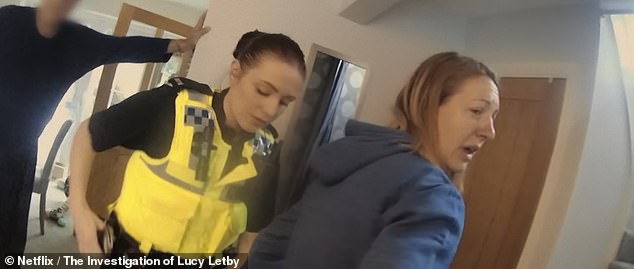
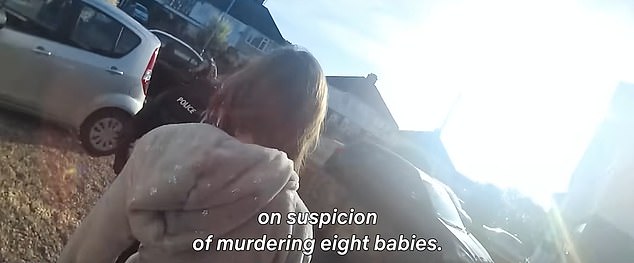
A recent Netflix documentary, “The Investigation Of Lucy Letby,” offers viewers a harrowing glimpse into the profound impact of their daughter’s arrests on John and Susan. Previously unseen footage from police body cameras reveals the emotional toll. In one sequence, Susan’s anguished cries can be heard as Cheshire Police arrive at their Hereford home in June 2019 to arrest Lucy for a second time. “Please, no, not again, no,” she sobs. As officers read Lucy her rights, she is seen in her dressing gown, asking her parents, “You know I didn’t do it, don’t you?” Their heartbreaking reply in unison is, “We know that.” Reports suggest that during her third and final arrest in November 2020, Susan pleaded with officers, “I did it; take me instead.”
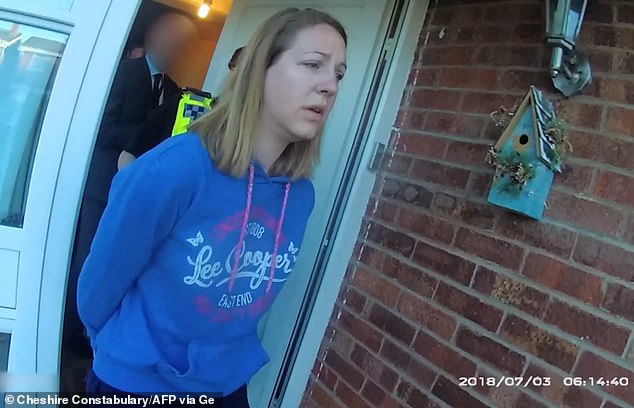
The documentary’s release has reportedly led to Letby being placed under constant monitoring by prison staff due to concerns for her well-being, facing mockery from other inmates. However, the intimate portrayal of the family’s private anguish has drawn criticism, with some, like Daily Mail columnist Peter Hitchens, condemning the documentary for its sensationalism.
A Quiet Cul-de-Sac’s Shared Burden
For the residents of the quiet cul-de-sac where the Letbys have resided for four decades, the sounds of Susan’s distress are not easily forgotten. “They were broken from the day Lucy was first arrested,” a neighbour recounted, describing the arrests as “disgusting.” They recall Lucy as a “quiet young woman who was clearly in complete shock.” Many neighbours express sympathy for John and Susan, acknowledging the immense hardship they have endured as a close-knit family. “It must be absolute hell… but we don’t ask questions,” one resident commented.
John, 80, and Susan, 65, have maintained a low profile, issuing only brief statements to the press. However, in response to the Netflix documentary, they released two statements via a reputation management firm. The first described the footage as “heartbreaking” and an “invasion of privacy,” stating they would not watch it as it “would likely kill us.” Critics noted the absence of any mention of the deceased babies or their grieving parents in this statement. The second statement offered condolences to the families for their “unbearable pain” but reiterated their daughter’s innocence, calling it a “horrendous miscarriage of justice.”
Reclusion and unwavering devotion
The Letby home remains a place of quiet seclusion, with net curtains drawn and their car rarely leaving the driveway. The couple has become increasingly reclusive since Lucy’s conviction, with the renewed media attention only intensifying their desire to withdraw. John’s former hobbies, including watching football and horse racing, and their regular Sunday visits to Hereford City Church, have fallen by the wayside. Their beloved holidays to Torquay have also been discontinued.
Their sole consistent journey is the 264-mile round trip to HMP Bronzefield to visit their daughter. Letby is entitled to three visits per month, and her parents have not missed a single one. Recently, John has been making these visits alone as Susan recovers from hip replacement surgery. Neighbours have also noted Susan’s declining health due to an immune condition that limits her ability to leave the house, adding to the immense stress they are under.
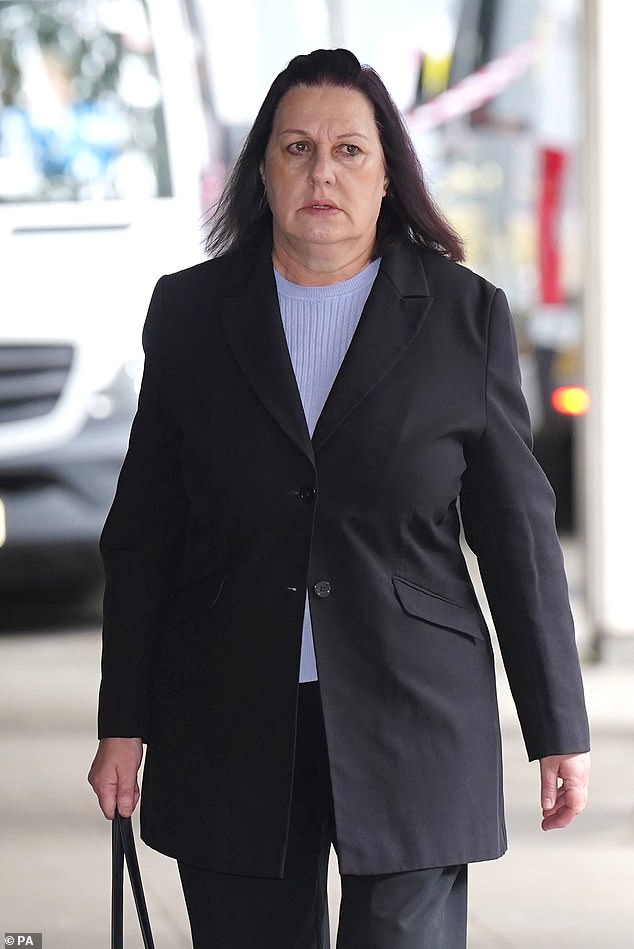

Despite reports of them considering moving closer to the prison during Lucy’s trial, John and Susan remain in Hereford, the city they have called home since 1983. They met in the early 1980s, marrying in July 1986. Susan, an accounts clerk, was three months pregnant. As their home’s “shrine” attests, Lucy quickly became the centre of their universe.
Early Life and Parental Protection
Dawn Howe, a childhood friend, alluded to Lucy having a “difficult” birth, which may have contributed to her strong desire to work in neonatal care. However, her health challenges began early. At 11, she was diagnosed with an underactive thyroid, requiring specialist care and impacting her well-being. Later, she developed optic neuritis, a painful condition affecting her vision. These early health struggles may have informed John and Susan’s reportedly “overbearing” approach, which Lucy described as “a little suffocating at times.” Their actions, in their eyes, were driven by a deep-seated need to protect her.
They expressed immense pride in her nursing degree from the University of Chester, placing congratulatory notices in the local newspaper. They were likely thrilled to see her featured in a local newspaper as a poster child for the Countess of Chester’s £3 million neonatal unit fundraising campaign in 2015, shortly after qualifying.
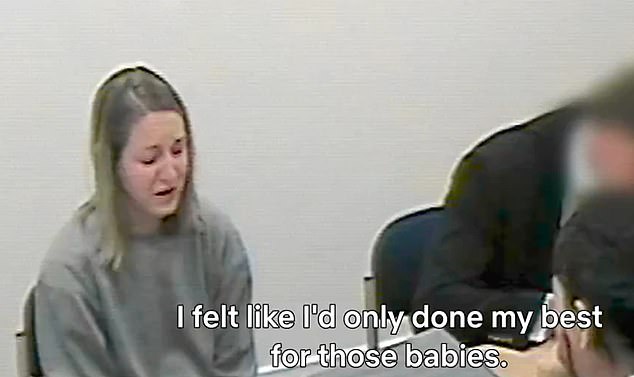
In 2015, Letby purchased a three-bedroom house near the hospital with her parents’ assistance. However, her seemingly perfect world began to unravel. While she initially kept her parents in the dark, they became heavily involved once they understood the situation. All three attended a meeting with hospital officials, including the chief executive, in December 2016. Meeting minutes reveal John and Susan vociferously attacking two consultants, whom they accused of holding a “personal grudge” against Lucy.
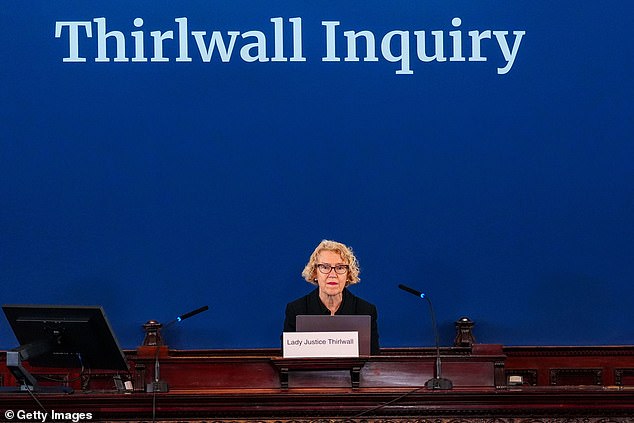
In a letter to hospital bosses, read at the Thirlwall Inquiry, they expressed being “shocked to the core,” detailing Lucy’s harrowing experience of being called a “murderer” by colleagues. “She has frequently said to us during the last six months, ‘I wouldn’t hurt anything, let alone a tiny baby.’ It has broken our hearts,” the letter stated. In the months that followed, John made numerous “agitated” calls to the hospital and even threatened the chief executive. In July 2017, a full year before Lucy’s first arrest, John reported issues on the unit where she worked to the police.
These outbursts contrast with the image of a polite, smartly dressed man who attended his daughter’s trial daily. John shared a particularly close bond with Lucy. He was reportedly at her house the night before her first arrest and, after watching her being taken away, tenderly made her bed for her return.
A Childhood Bedroom vs. Prison Austerity
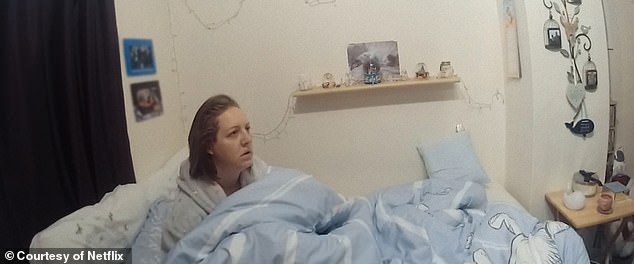
Footage from her arrests shows Lucy sleeping in her childhood bedroom in Hereford, surrounded by cuddly toys, fairy lights, and affirmation posters. A quote from “The Greatest Showman” above her bed reads: “I am brave. I am bruised. I am who I’m meant to be. This is me.” Her current living situation at HMP Bronzefield, where she has “enhanced” prisoner status for her own protection, is starkly different. Her small, spartan cell contains only a bed, toilet, shower, television, and a telephone for outgoing calls.
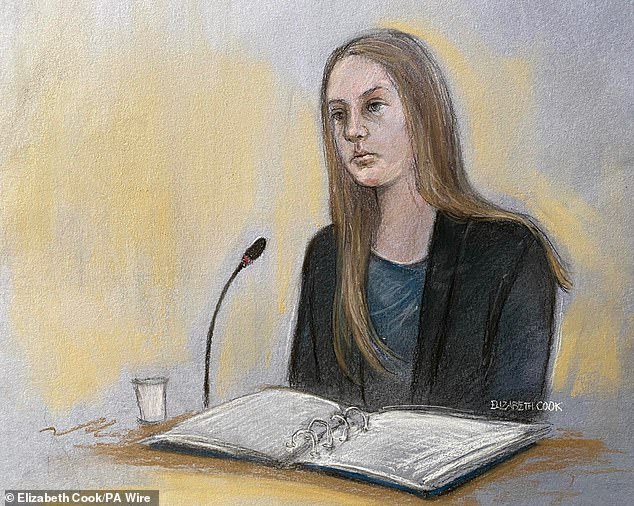
In a letter to a university friend, “Maisie,” read aloud in the Netflix documentary, Lucy describes her prison environment: “I have my own room and toilet. I am able to shower each day and go outside for a walk.” She has access to Freeview channels and a DVD player, and spends considerable time in the prison library, reportedly with an “insatiable appetite” for books. Prison sources describe her as a neat, quiet inmate who earns credits for calls to her parents through a menial cleaning job. She regularly meets with her legal team.
Her longing for the outside world is deeply rooted in her affection for her two cats, Tigger and Smudge, with whom she shared emotional farewells before her arrest. In her letter to Maisie, she laments, “I miss Tigger and Smudge so much. They must think I’m a terrible mummy. Mum and Dad are taking good care of them though, and are no doubt spoiling them.”
The Lingering Question: “Why Lucy?”
John and Susan have now endured over five years with their only child incarcerated. Their profound desolation was encapsulated in their statement to the Thirlwall Inquiry: “The overlying question that has kept us awake from the day this all started, and [for which] no one has come up with an answer, is, ‘Why Lucy?'” It is the very same question that the 14 families whose babies she is accused of murdering or attempting to murder will undoubtedly continue to ask for the rest of their lives.