Senior Russian General Targeted in Moscow Shooting: Allegations of Ukrainian Involvement Surface
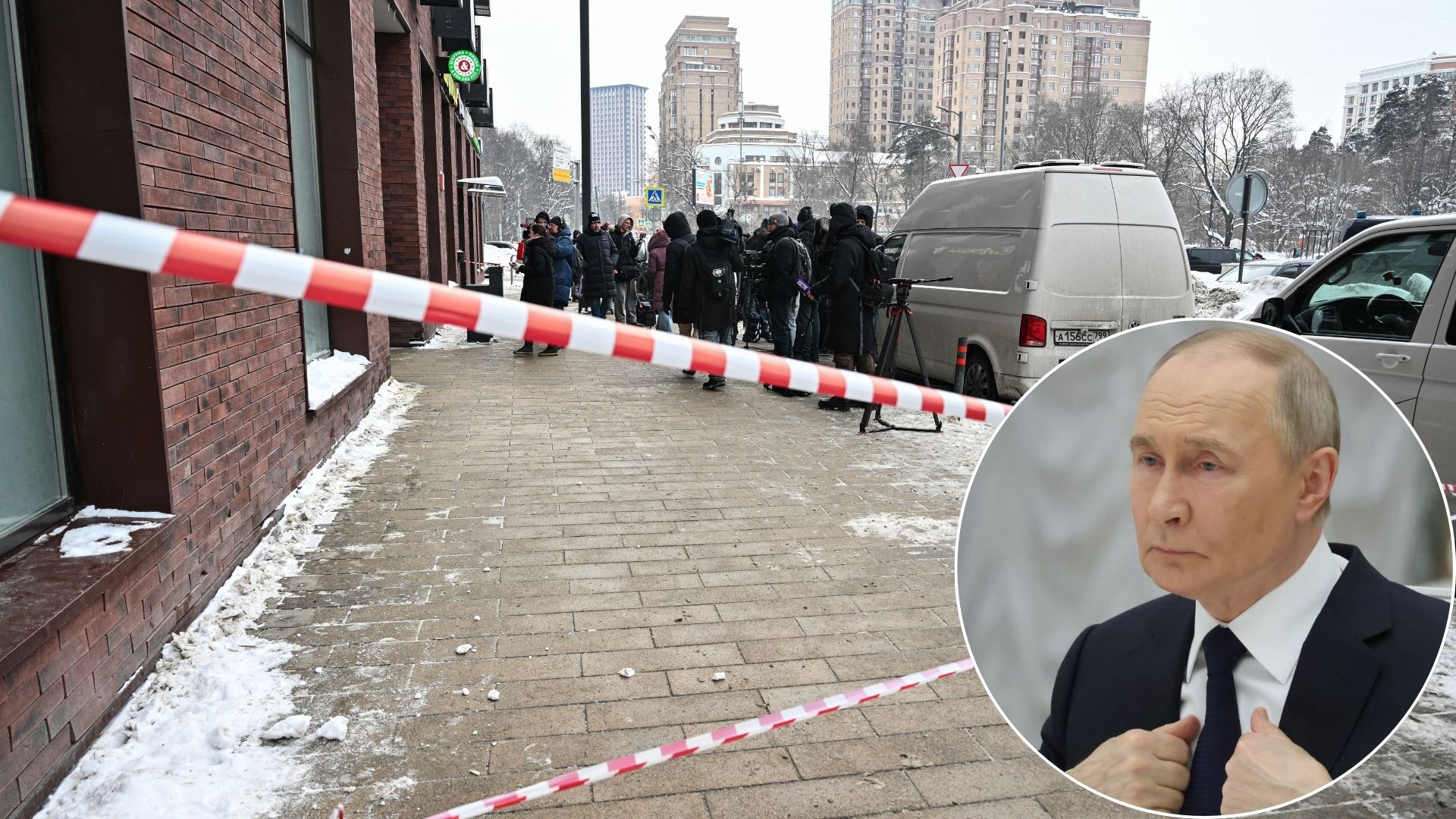
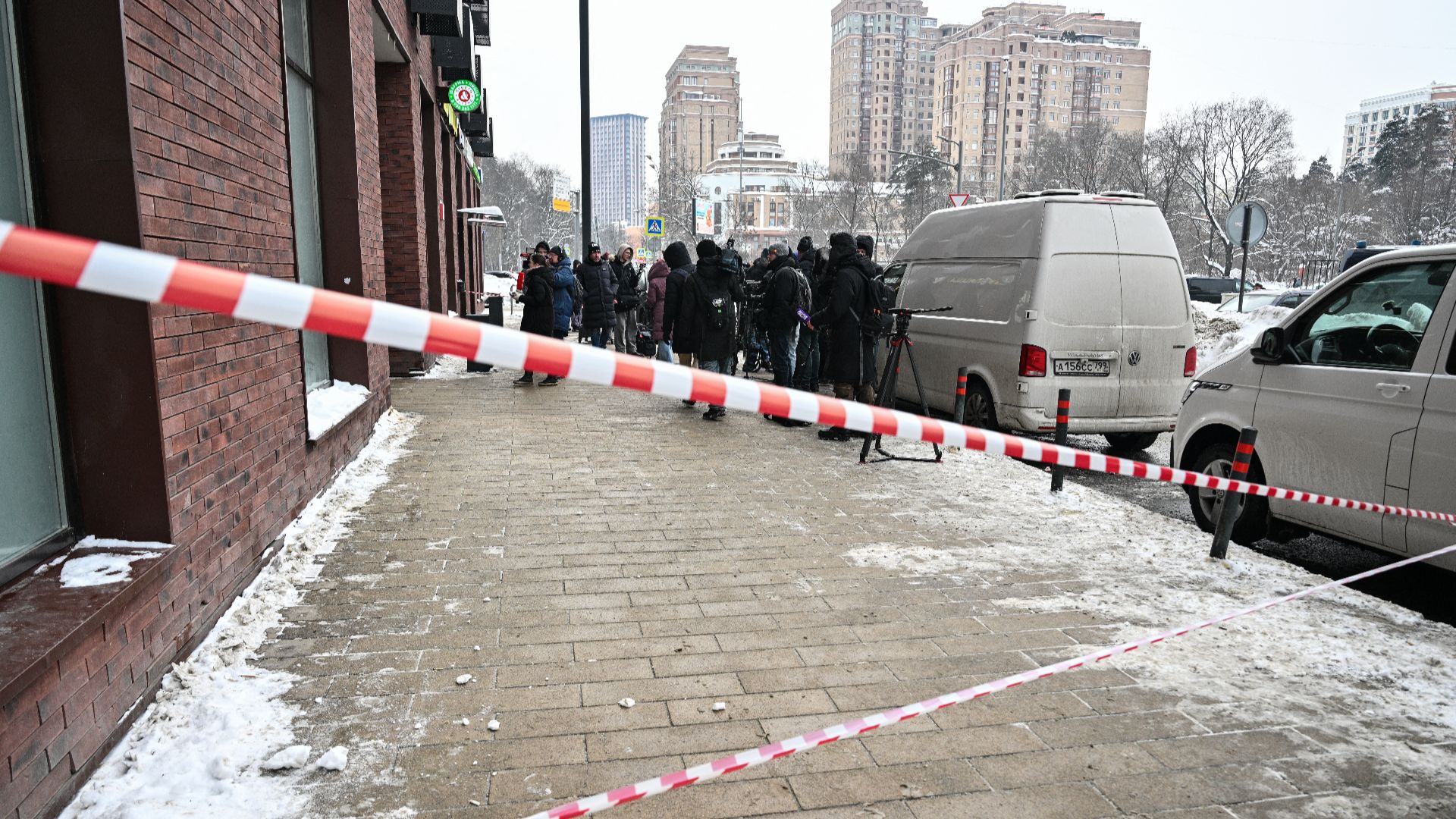
A brazen daylight shooting in the heart of Moscow has sent shockwaves through the Russian capital, with authorities swiftly labelling the incident an attempted assassination. The victim, identified as Lieutenant General Vladimir Alekseyev, a high-ranking official reportedly connected to Russia’s military intelligence, was shot multiple times at close range. The attack, which occurred near or within a residential building, suggests a sophisticated level of planning and intimate knowledge of the general’s movements. Emergency services responded with haste, and Alekseyev was rushed to hospital, where he is reported to be in critical condition following severe injuries and emergency surgery.
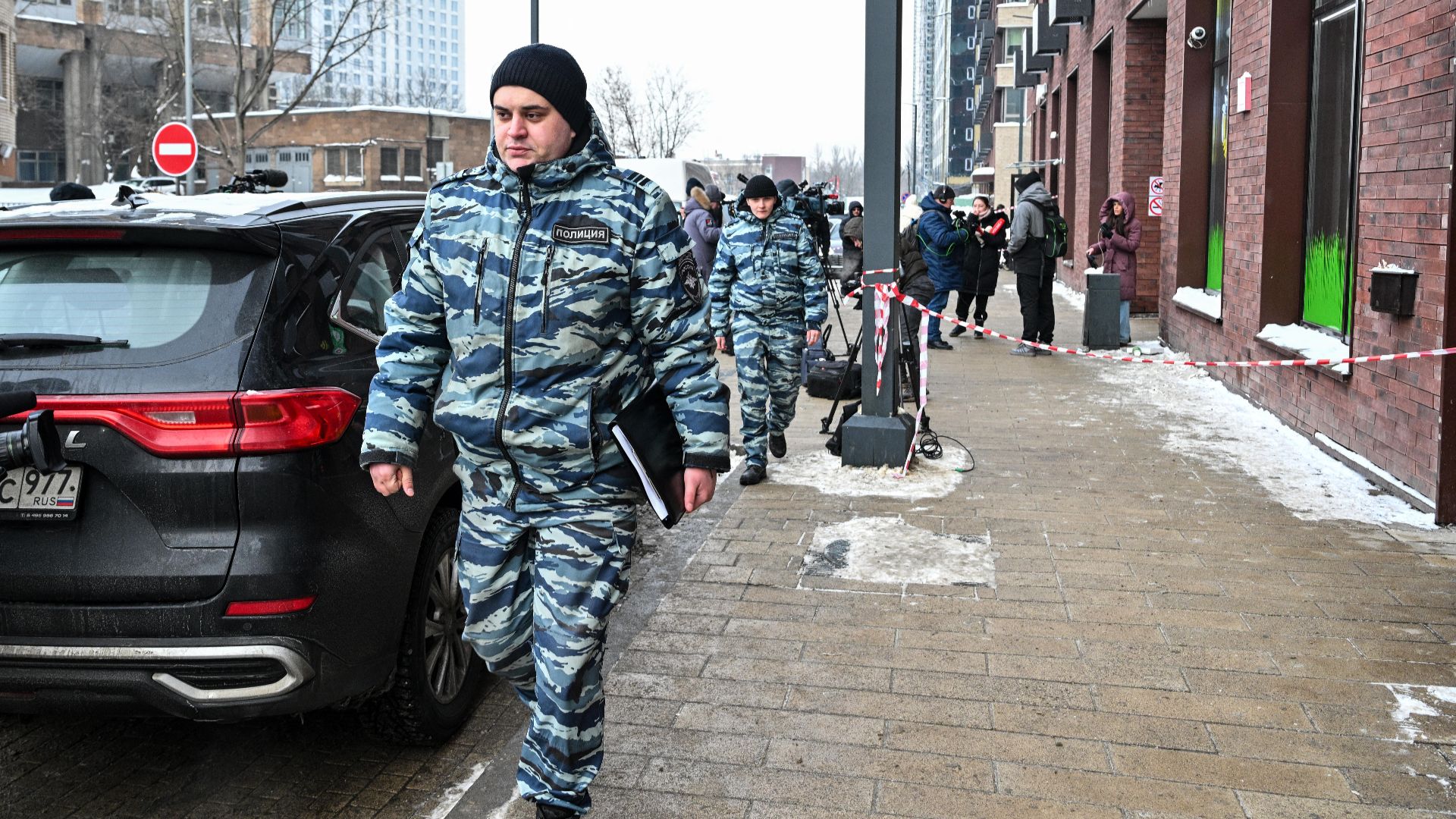
The incident marks one of the most significant attacks on a senior Russian military figure within Moscow since the commencement of the full-scale invasion of Ukraine. Alekseyev’s prominent position and alleged involvement in critical aspects of Russia’s war effort have amplified the gravity of the attack. Russian investigators have launched a criminal case and initiated a widespread search operation to apprehend the perpetrator. The Kremlin has wasted no time in framing the shooting as part of a broader campaign of sabotage and political violence orchestrated by Ukraine.
Accusations Fly as Moscow Points Finger at Kyiv
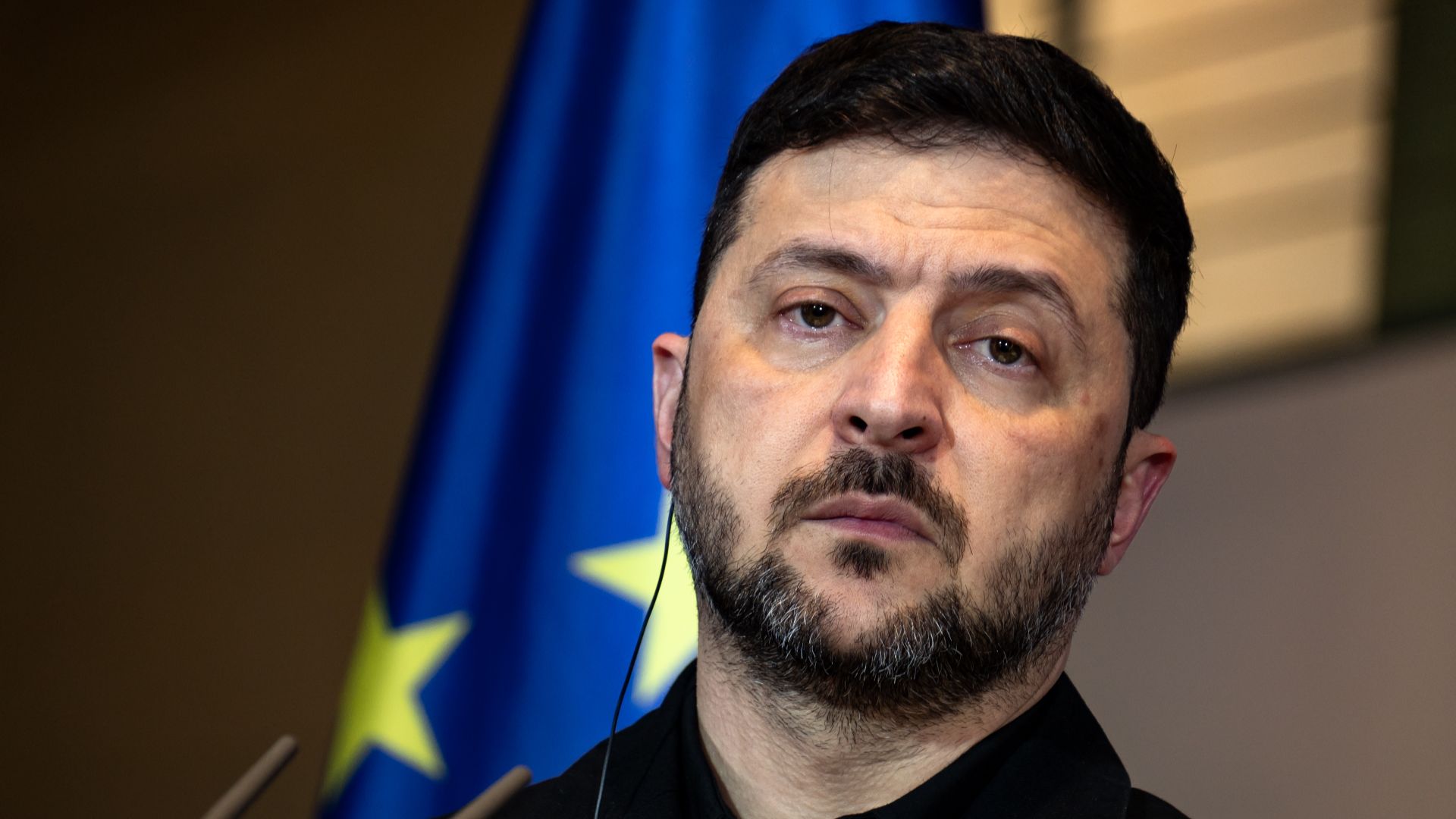
Russian officials have publicly accused Ukraine’s leadership of masterminding what they term a “terrorist act,” though no concrete evidence has been presented to substantiate these claims. Russian Foreign Minister Sergei Lavrov directly implicated the Ukrainian government, stating, “The attack against Lieutenant General Alekseyev confirmed the Zelensky regime’s intention to disrupt the negotiations.” This assertion aligns with previous Russian narratives following similar incidents, where Kyiv has been blamed for attacks targeting military personnel, infrastructure, and officials within Russian territory. Ukraine, meanwhile, has not issued any public statement claiming responsibility for the Moscow shooting.
The Russian government contends that such attacks are designed to sow discord and undermine public faith in the state’s capacity to ensure the safety of its high-ranking officials. The term “terrorist” has been frequently employed by the Kremlin to characterise actions perceived as attempts to incite fear or convey political messages, particularly when these incidents occur far from the active conflict zones. Russian media outlets have actively amplified these accusations, with some reports suggesting the possibility of foreign intelligence agencies providing support for the planning of the operation.
Heightened Security and the Expanding Reach of Conflict
While independent verification remains elusive, Moscow maintains that the shooting is consistent with a pattern of targeted operations against prominent military and security personnel. The incident is anticipated to trigger a significant tightening of security protocols across Moscow.
This shooting has also brought renewed attention to the escalating and increasingly covert nature of the war, which has seen operations extend well beyond traditional battlefields. Since the invasion began, Russia has been the target of numerous explosions, shootings, and acts of sabotage, including in areas previously considered safe havens. Analysts suggest that targeting senior officials carries substantial symbolic weight and can exert a psychological impact, irrespective of its direct effect on military operations.
The attempted assassination of a top-ranking general in the Russian capital underscores the conflict’s evolution into a multifaceted confrontation involving intelligence agencies, internal security apparatuses, and strategic messaging campaigns. This event occurs concurrently with Russia’s intensified military efforts within Ukraine.
A Pattern of Targeted Attacks on Russian Commanders
This is not the first instance of senior Russian commanders being targeted since the war commenced. Previous high-profile cases have seen senior officers fall victim to bombings or targeted strikes, with Russian authorities attributing these to Ukrainian-linked operations. A notable example includes the death of Lieutenant General Igor Kirillov, who was killed in an explosion near Moscow in late 2024. Russia condemned this incident as an act of terrorism, and Ukrainian sources reportedly claimed responsibility. Other Russian commanders have also met their demise closer to the front lines in occupied territories. The latest attack reinforces the perception that Russia’s top military leadership is increasingly becoming a focal point for targeted actions.