A Mother’s Instinct: Fighting for Answers When Your Child Isn’t Settling
From the very first moments of her daughter Hetty’s life, Jodie Crawford felt a deep, unsettling intuition that something wasn’t quite right. It was a feeling she couldn’t articulate precisely, but one that gnawed at her, refusing to be ignored. At 40, juggling the exhaustion of a newborn with the demands of her two-year-old, Bridie, Jodie found herself at a loss. Hetty, her youngest, seemed perpetually unsettled. She wouldn’t sleep, couldn’t be put down, and despite constant feeding, refused a bottle. This relentless cycle left Jodie feeling utterly drained and at her wit’s end.
The Early Days: Seeking Medical Advice
Around one month old, Jodie sought professional help, her plea to the doctor simple: “Please, just tell me why my baby won’t sleep or settle.” Initially, a dairy intolerance was suggested. Jodie diligently cut dairy from her diet, clinging to the hope that this would bring relief. However, as the weeks progressed, new concerns emerged. She noticed Hetty’s forehead appeared unusually large and seemed to be developing subtle indentations.
By two months, Jodie returned to the doctor, this time specifically addressing her concerns about Hetty’s head shape. She was reassured that variations in infant head development were normal. While Jodie tried to accept this advice, a new worry surfaced: a distinct lump began to form at the back of Hetty’s head. The lack of sleep and settling persisted, and Jodie’s own resilience was fraying. A third visit to the doctor, where she questioned if the lump might be causing discomfort, yielded the same response: it was “normal,” and babies often struggle with sleep.
A Mother’s Research and the Battle to Be Heard
At approximately three months old, Jodie took matters into her own hands and began her own research. She stumbled upon a condition known as craniosynostosis, where the bones in a baby’s skull fuse prematurely. Armed with this information, she wrote the term on a piece of paper and presented it to her doctor. He claimed to have never heard of it and advised against online research, warning of inaccuracies and “conspiracies.”
This encounter left Jodie feeling deflated and dismissed, as if her concerns were being attributed to an anxious, tired mother’s overactive imagination. Even those closest to her, including her mother, suggested she might be seeing things that weren’t there. Her husband, Dominic, while witnessing her profound exhaustion and helplessness as Hetty refused to settle for him, also struggled to comprehend the depth of Jodie’s unease. Yet, an unshakeable maternal instinct urged Jodie not to let go of her concerns.
Persistence Pays Off: A Breakthrough
A few weeks later, Jodie returned to the doctor’s surgery, determined to be heard. She encountered a different doctor and meticulously recounted every detail she had observed, emphasizing her profound feeling that something was seriously wrong. She firmly requested an urgent referral to a pediatrician, making it clear she wouldn’t leave without one. This time, her persistence led to the doctor consulting with a senior physician, who listened attentively and agreed to arrange the referral. Within an hour, Jodie received instructions to attend the hospital the following day.
The appointment was fraught with anxiety. The doctor who examined Hetty took one look and immediately recognized the gravity of the situation. She excused herself to make a phone call to a specialist, then returned to inform Jodie and Dominic that she suspected craniosynostosis.
Diagnosis and a Life-Altering Surgery
The subsequent days were a whirlwind. Within days, they were referred to Alder Hey Children’s Hospital Trust. The word “craniosynostosis” was terrifying, yet paradoxically, it brought a profound sense of relief. Finally, someone else could see what Jodie had been observing all along. The fear of her child having a serious condition was immense, but the feeling of not being taken seriously had been even more distressing.
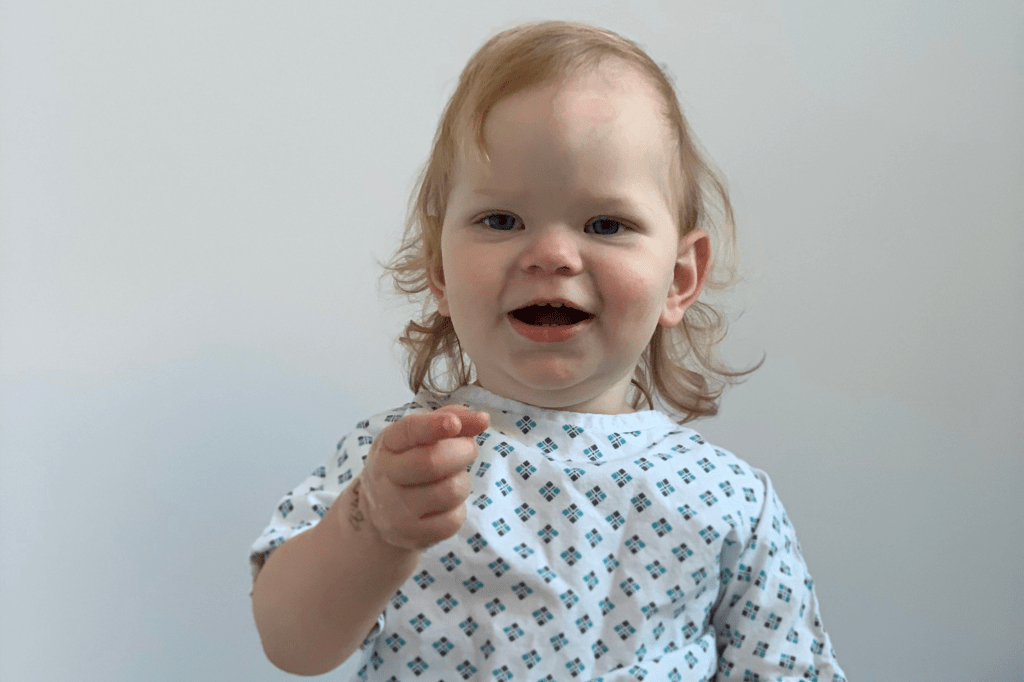
Hetty was diagnosed with both metopic and sagittal craniosynostosis, meaning the bones in her skull had fused too early, posing a risk to her brain development if left untreated. At just one year old, she underwent a gruelling 10-hour surgery, performed during the height of the COVID-19 pandemic.
The Emotional Toll and a Mother’s Resolve
The day of Hetty’s surgery remains etched in Jodie’s memory. Due to pandemic restrictions, Dominic was unable to accompany them into the hospital. Jodie had to carry Hetty into the operating room alone, holding her as she was gently put to sleep in her arms before handing her over. The moment she walked out of that room, Jodie’s strength gave way, and she collapsed, overwhelmed by the fear of never holding her daughter again. For hours, they sat in the hospital gardens, trying to remain as close as possible to Hetty. The relief upon being called to recovery was immense, having never been separated from her daughter for such an extended period.
Tragically, mere weeks later, Hetty developed a severe infection, necessitating emergency treatment. This, too, was initially downplayed until Jodie once again advocated fiercely for her daughter’s needs.
Looking back, Jodie admits to carrying a lingering sense of guilt, questioning if she could have pushed harder and sooner. However, she holds an unshakeable conviction: “No one knows a baby like their mother.” She urges other parents to trust their instincts. If something feels wrong, speak up, persist, and keep returning until you are heard. Even when faced with skepticism, remember that your concerns are valid.
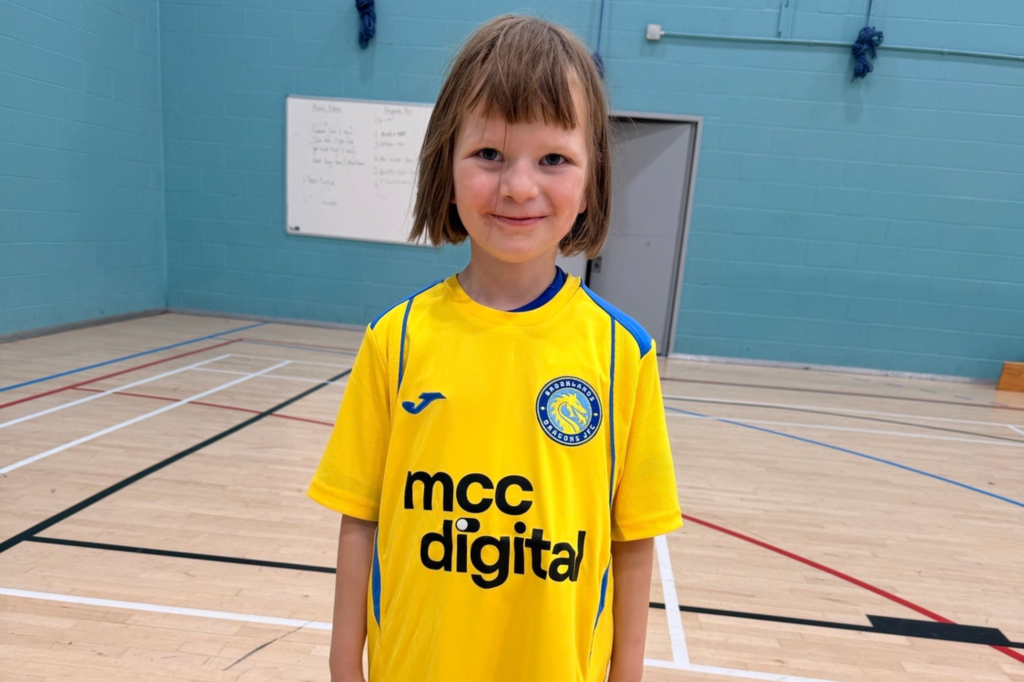
Today, Hetty is a vibrant, fearless, and beautiful six-year-old. Jodie and Dominic look at her with immense pride, recognizing the incredible resilience she has shown in her young life, having overcome challenges that many adults would find daunting.