Escalation in the Strait of Hormuz
The U.S. Central Command (CENTCOM), responsible for military operations in the Middle East, announced on the 7th that it had launched “powerful airstrikes to make Iran pay a heavy price” following the attack on three tankers in the Strait of Hormuz. This move was described as a clear violation of the ceasefire agreement, with the U.S. emphasizing its commitment to protecting merchant ships carrying innocent civilians in international waters.
U.S. Response and Sanctions Reversal
In a statement posted on X, formerly known as Twitter, CENTCOM said, “We have initiated powerful airstrikes to make Iran pay a heavy price for attacking merchant ships carrying innocent civilians in international waters.” The statement further highlighted that Iran’s actions were not only dangerous but also unjustifiable and a direct breach of the ceasefire agreement.
The memorandum of understanding (MOU) signed by the two countries on the 29th of last month included provisions for “free passage without tolls in the Strait of Hormuz for 60 days.” However, the U.S. Department of the Treasury’s Office of Foreign Assets Control (OFAC) reversed a 60-day temporary general license issued on June 21, which allowed the production, delivery, and sale of Iranian crude oil. This decision came just over half a month after the tanker attacks and is seen as a significant step that could impact future negotiations between the U.S. and Iran.
Political Context and Diplomatic Efforts
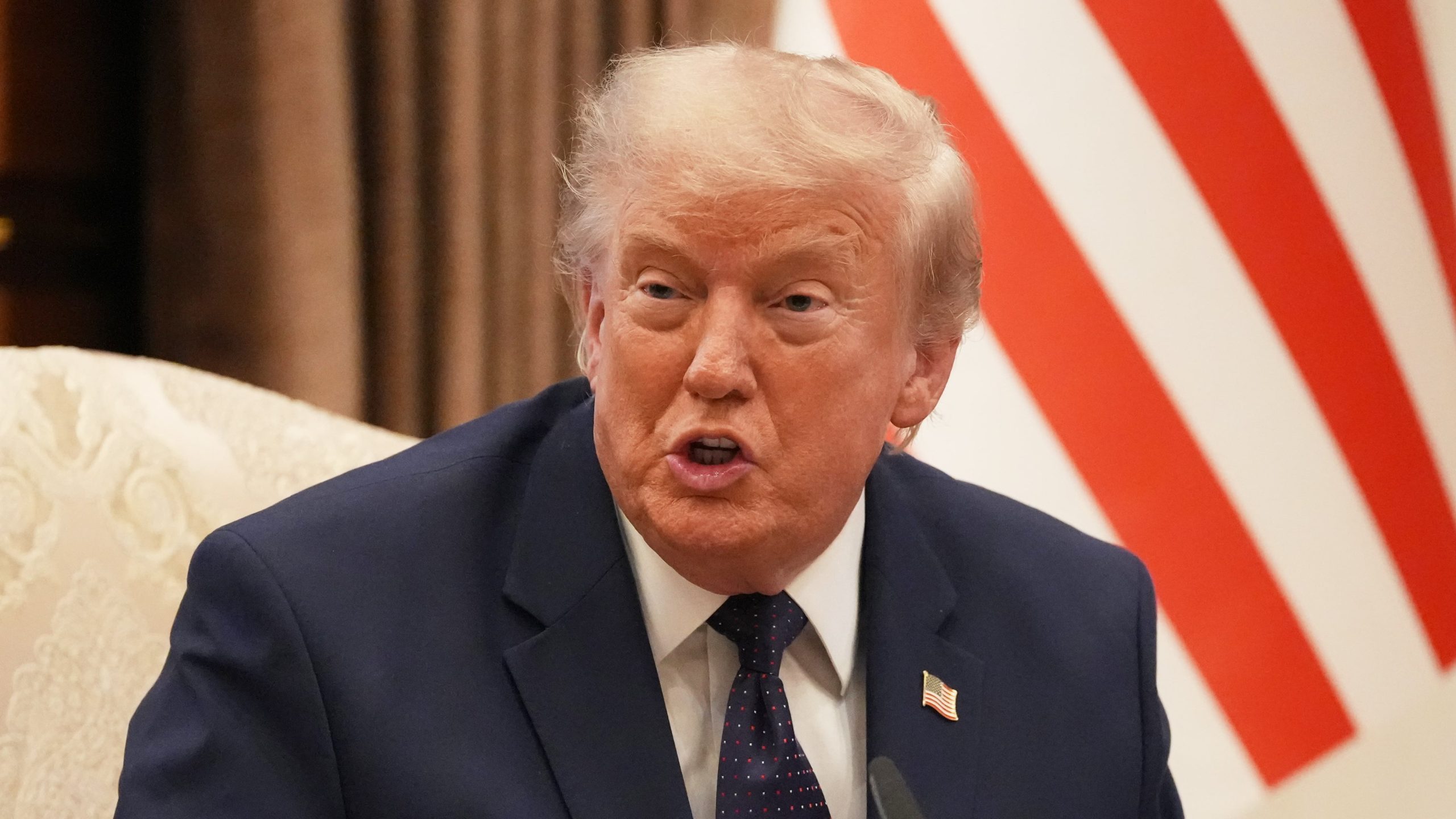
The airstrikes took place while U.S. President Donald Trump was in Ankara, Turkey, attending a NATO summit. Despite the agreement to halt mutual attacks on the 29th of last month, the U.S. military resumed hostilities after repeated attacks on merchant ships by Iran. Trump addressed reporters at the White House on the morning of the 6th, stating, “We have extracted concessions from Iran, and they will never have nuclear weapons,” and “They agreed to many things that people said they would not agree to.”
He added that while he prefers a “correct agreement” through diplomacy, if no agreement is reached, he would “end things” by targeting Iran’s infrastructure, including bridges and power plants. A senior U.S. government official told Reuters on the 7th, “Iran’s actions in the Strait of Hormuz are entirely unacceptable, and there will be consequences.”
Iranian Perspective and Ongoing Talks
Iranian foreign authorities shifted blame to the attacked ships, claiming that vessels using routes not coordinated with Iran or tampering with location trackers in the Strait of Hormuz would not be guaranteed safety. The two sides had held indirect working-level talks in Doha, Qatar, on the 1st under the mediation of Pakistan and Qatar, and were coordinating to hold follow-up negotiations on the 11th after the funeral of the late former Iranian Supreme Leader Ayatollah Ali Khamenei concluded.
Axios warned that the clashes “threaten the fragile MOU signed less than three weeks ago and risk pushing the U.S. and Iran into a new cycle of retaliation.”
Membership Offers for Readers
For readers interested in accessing more content, there are membership options available. For example, a 5900 won membership offers access to newspapers for 2900 won, while the Chosun Membership provides access to 8 different newspapers and magazines worth 55000 won. Members also receive 7000 points that can be used like cash for shopping, making it an attractive option for regular readers.