The Empty Seat in Moscow
The United States has been without a confirmed ambassador to Russia for nearly nine months, and the situation shows no signs of resolution. This diplomatic vacancy is not just a bureaucratic oversight; it represents a significant gap in the relationship between two global powers. With the ongoing war in Ukraine now in its fourth year, the absence of a high-level representative in Moscow has raised concerns about the effectiveness of U.S. diplomacy.
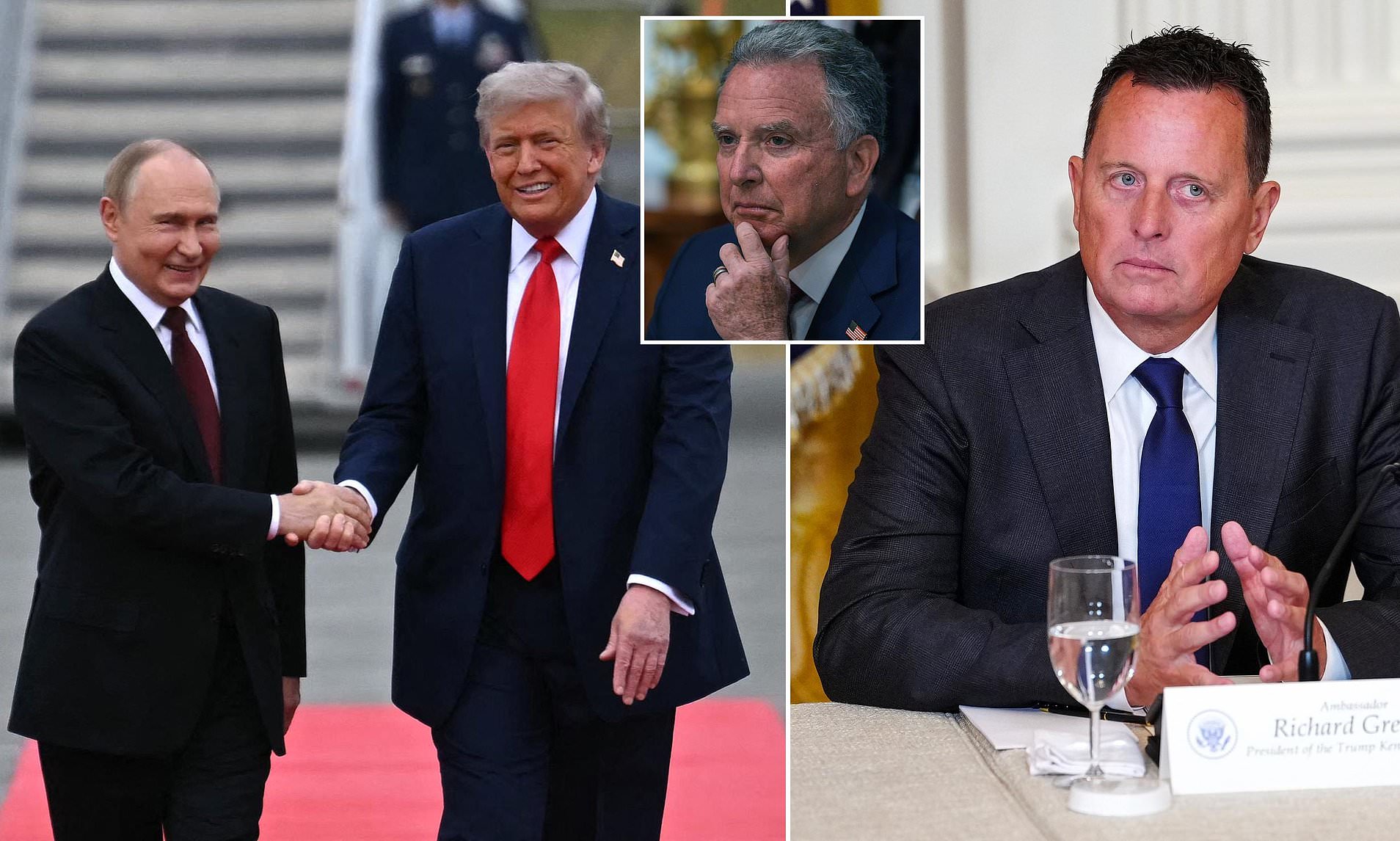
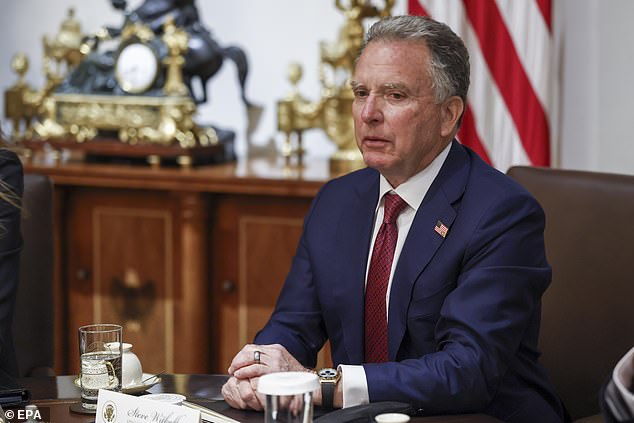
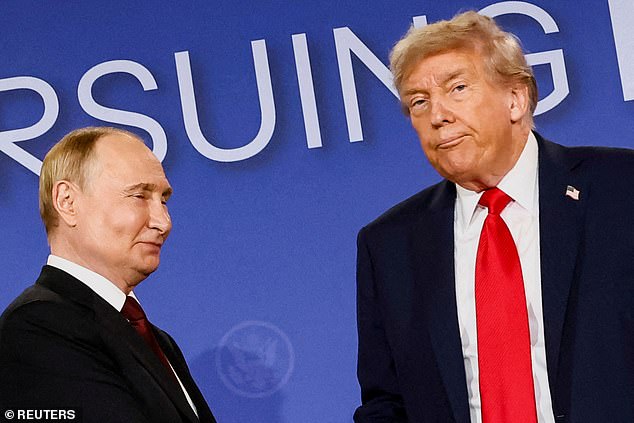
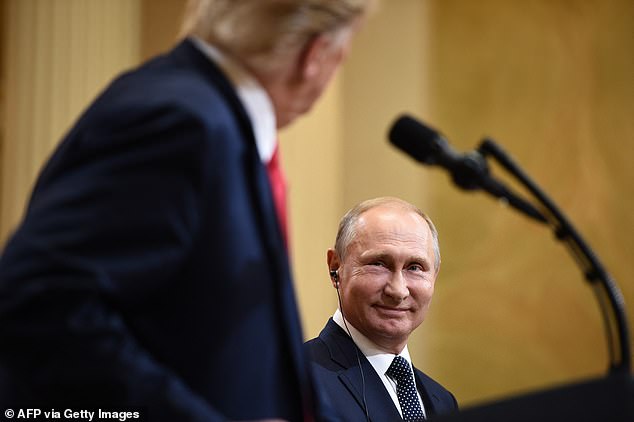
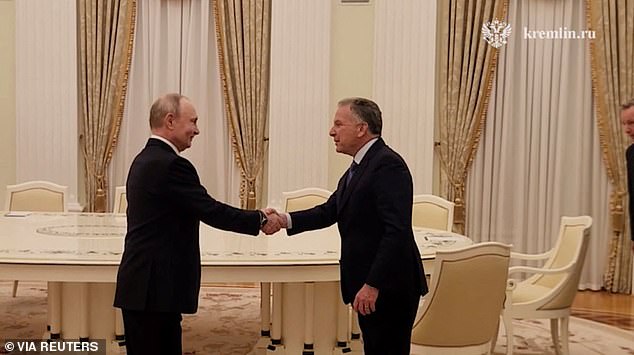
Despite official statements that the search for an ambassador is progressing, insiders suggest that the process is being influenced by more than just standard procedures. Steve Witkoff, Trump’s current envoy to Russia, appears to be playing a central role in shaping the direction of U.S.-Russia relations. His influence has led to speculation that he may be reluctant to step down from his position, as he has established direct communication channels with Russian President Vladimir Putin.
A New Kind of Diplomacy
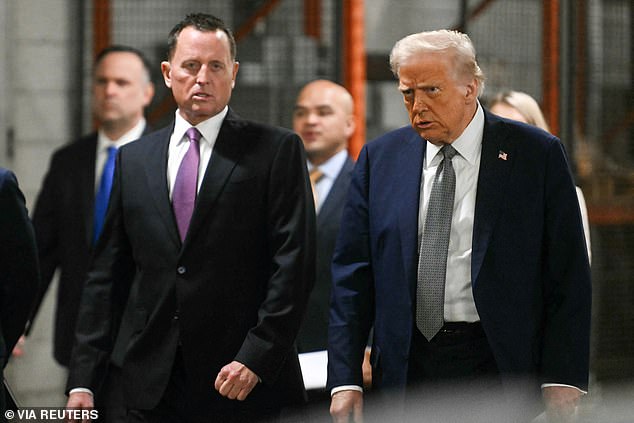
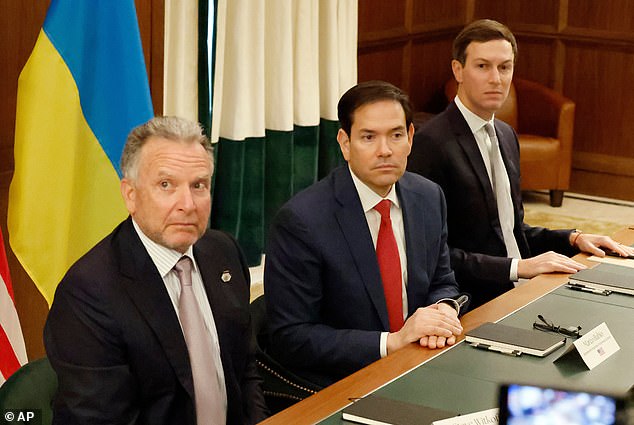
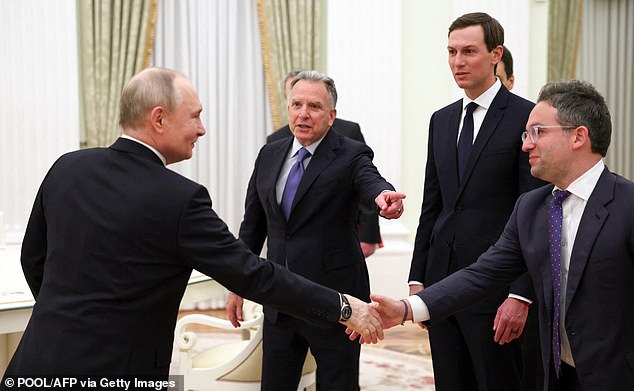
Witkoff’s role as a special envoy has bypassed traditional State Department protocols, allowing him to act as the primary point of contact between Washington and Moscow. Alongside his unofficial partner, Jared Kushner, Witkoff has conducted eight face-to-face meetings with Putin, a level of access that would be envied by many career diplomats.
Diplomatic sources have described Witkoff as “highly comfortable” with the status quo, and some believe he sees the lack of a formal ambassador as beneficial. According to one former ambassador, “There’s nobody in Moscow that does anything without his blessing — so why does he need an interlocutor getting in the way?”
The Candidates and Their Fates
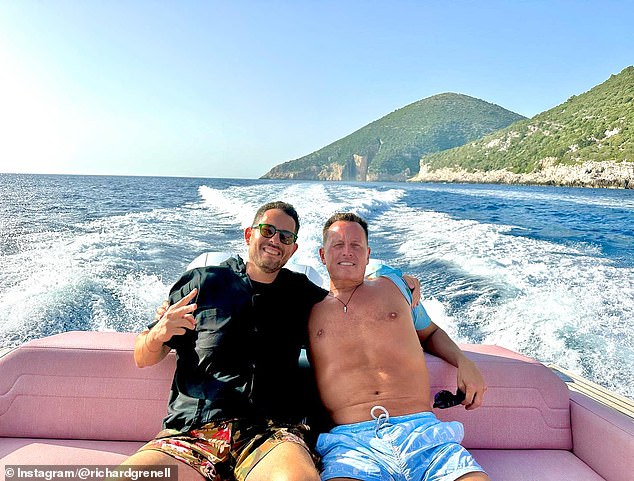
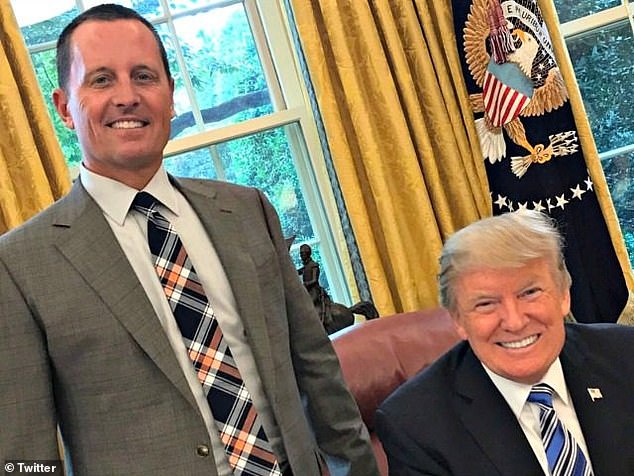
Several candidates were reportedly in the running for the ambassadorial post, but each was eventually sidelined. One potential candidate was Ric Grenell, a former acting director of the Trump-Kennedy Center. Grenell reportedly expressed interest in the role, but sources suggested that his LGBTQ+ advocacy made him an unlikely choice given the political climate in Russia.
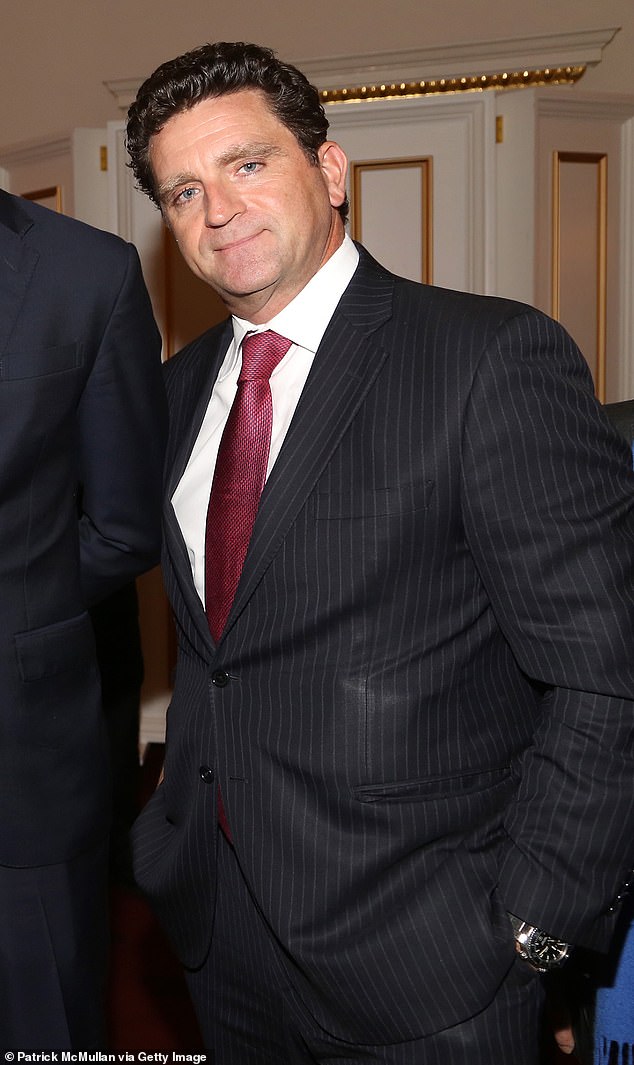
Another candidate, Bob Foresman, had a long history of working with Russian financial institutions. However, according to multiple sources, he was ultimately passed over because Witkoff advised the president that he did not need additional support.
The Impact of the Vacancy
The absence of an ambassador has created a vacuum in U.S.-Russia diplomatic engagement. While Witkoff and Kushner continue their backchannel negotiations, many argue that the broader relationship is suffering. Some officials have even suggested that the role of ambassador is no longer seen as essential, given the current structure of U.S.-Russia communications.
“Nobody is rushing to fill that role because it has now been deemed unnecessary,” said one former ambassador familiar with the region. “There is truthfully no ambassadorial appointee who’s going to have top Putin ally Kirill Dmitriev calling the ambassador instead of Steve and Jared.”
The Legacy of the Previous Ambassador
Lynne Tracy, the previous U.S. ambassador to Russia, served for 29 months before leaving in June 2025. Her tenure was marked by several key events, including the suspension of the New START treaty and a high-profile prisoner exchange in August 2024. Tracy was the first woman to hold the post and her departure came as part of the transition to the new administration.
New START, signed in 2010, was the last major nuclear arms control agreement between the U.S. and Russia. It aimed to limit both nations’ nuclear arsenals and prevent an arms race. Its suspension has left a critical gap in transparency and mutual understanding between the two countries.
White House Response
In response to reports about the vacant ambassadorship, a White House spokesperson denied any interference from Witkoff. “Special Envoy Witkoff has not put his thumb on the scale in any way for a US Ambassador position in Russia. These personnel decisions are made by the President, and the Special Envoy is focused on bringing the Russians and Ukrainians together to facilitate a peace deal,” said Anna Kelly, a White House spokeswoman.