Ethiopia Navigates a Complex March: Diplomacy, Development, and Disasters
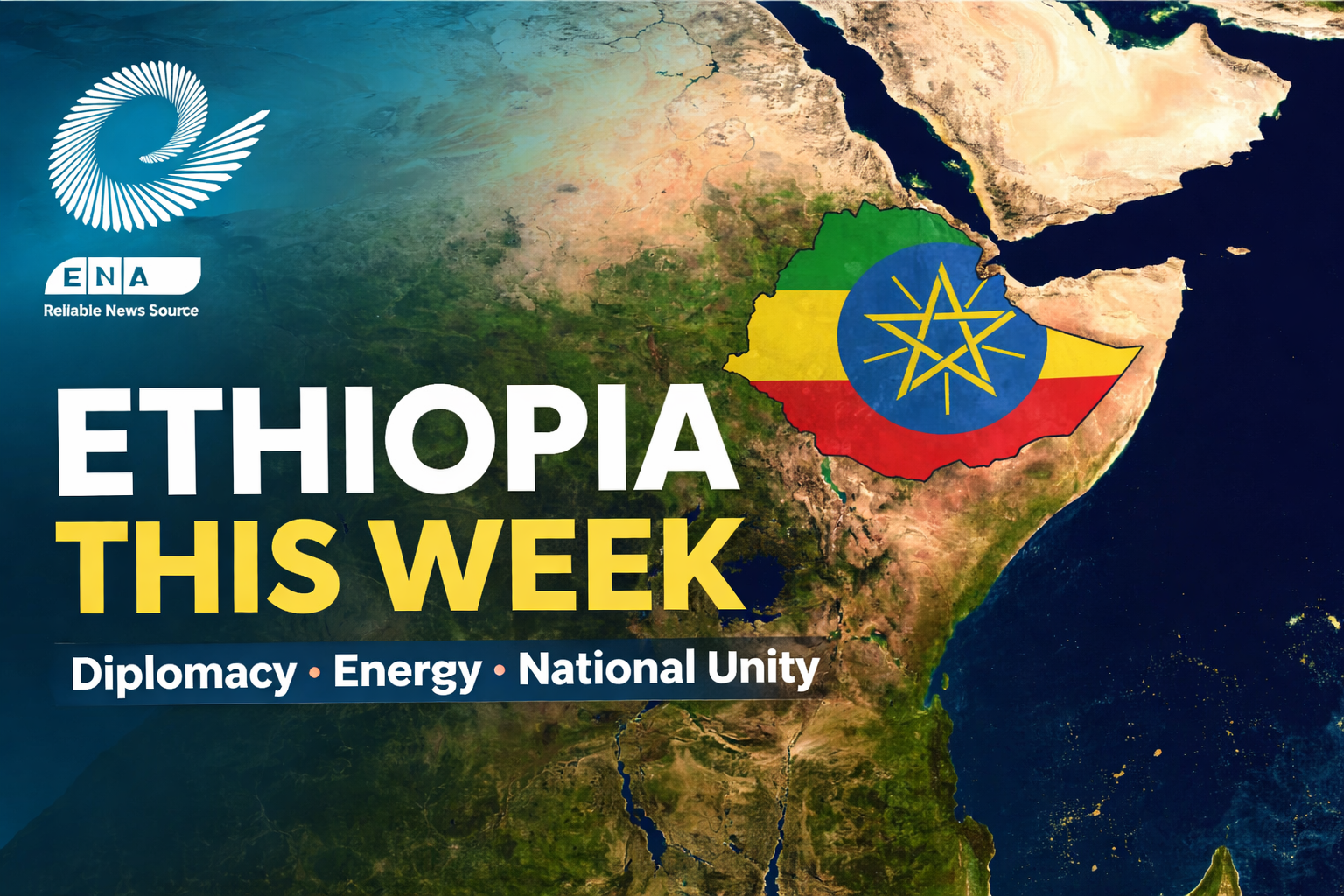
The week of March 16th to 22nd, 2026, proved to be a pivotal period for Ethiopia, characterized by a dynamic interplay of high-level diplomatic engagements, significant investment initiatives, and the steady advancement of reform agendas. This period of progress was, however, juxtaposed against the pressing realities of escalating energy constraints and the devastating impact of a climate-induced disaster. These interwoven developments paint a picture of a nation actively pursuing transformation while simultaneously confronting urgent domestic and international challenges.
Diplomatic Engagements and Shifting Alliances
A key diplomatic highlight was the high-level telephone conversation between Prime Minister Abiy Ahmed and Vladimir Putin. The discussion centered on reinforcing cooperation across vital sectors including trade, energy, and security. Beyond bilateral matters, the leaders exchanged perspectives on the evolving geopolitical landscape, underscoring Ethiopia’s strategic effort to recalibrate its international standing. This engagement signifies a deliberate move towards diversifying partnerships and forging new strategic alliances in a rapidly changing global order.
In a somber moment, Vladimir Putin extended his condolences to Ethiopia following a tragic landslide in the Gamo Zone. The disaster, a direct consequence of intense rainfall saturating the soil over an extended period, resulted in the loss of at least 125 lives and displaced over 11,000 people. The deluge also wreaked havoc on homes, agricultural land, and essential infrastructure. Rescue operations faced significant impediments due to the challenging terrain and the persistent adverse weather conditions.
Ethiopia also reaffirmed its commitment to South-South cooperation through renewed engagement with Bangladesh. Both nations identified shared priorities in building climate resilience, modernizing their agricultural sectors, and expanding renewable energy sources. Officials noted striking similarities in their development trajectories, particularly in managing population growth while striving for sustained economic expansion. This partnership is envisioned as a crucial platform for practical knowledge exchange and mutual learning.
Social Protection and the Power of Community
In a demonstration of national solidarity, President Taye Atske Selassie initiated a nationwide fundraising campaign to support vulnerable citizens. The initiative, launched from the Macedonian Home for the Elderly and Mentally Disabled, underscored the indispensable role of community-driven welfare programs in fostering inclusive development. President Selassie articulated a powerful vision, stating, “Social responsibility cannot be left to the government alone; the true fulfillment of life lies in giving back.” He urged for sustained and active public participation in these vital efforts.
Energy Pressures and Economic Repercussions
The global oil market, already volatile due to escalating tensions in the Middle East, continued to exert significant pressure on Ethiopia’s fuel supply. Prime Minister Abiy Ahmed issued a stark warning, highlighting the increasing difficulties faced by oil-importing nations in meeting their energy demands. In response, authorities reinforced fuel rationing measures, prioritizing essential sectors such as healthcare, agriculture, and national security.
In a public address, the Prime Minister appealed for responsible behavior from fuel distributors, service stations, and consumers alike. He stressed the critical need for careful and efficient utilization of petroleum products until global supply conditions stabilize, emphasizing the imperative to prioritize essential services and curtail unnecessary consumption.
Concurrently, Ethiopia intensified its efforts to diminish its reliance on imported fuel. Policies promoting electric mobility, the expansion of charging infrastructure, and the accelerated deployment of renewable energy sources gained renewed urgency. These measures are integral to a broader strategy aimed at alleviating foreign exchange pressures and bolstering long-term energy security.
Infrastructure Expansion and the Drive for Reform
A significant industrial milestone was achieved with a landmark agreement between Dangote Industries and GCL Group to develop a gas-to-fertilizer project in Gode. This substantial investment, valued at $4.2 billion, is projected to enable Ethiopia to attain fertilizer self-sufficiency by 2029. The project is expected to stabilize agricultural input costs and significantly reduce the nation’s dependence on fertilizer imports.
Minister of Finance, Ahmed Shide, actively engaged in financial diplomacy, holding discussions with representatives from the Export Import Bank of China and Ambassador Chen Hai. The focus of these engagements was on mobilizing crucial financing for priority infrastructure projects, including the planned Bishoftu International Airport. Meanwhile, negotiations under the G20 Common Framework continued to address debt restructuring and the broader objective of achieving macroeconomic stability.
Engagements in Rome with Italy’s Mattei Plan Task Force signaled a growing European interest in Ethiopia’s infrastructure and energy sectors. Discussions explored potential support for key projects, such as the Koysha Hydropower Project, highlighting Ethiopia’s appeal as an investment destination.
Deputy Prime Minister Temesgen Tiruneh led strategic inspections aimed at bolstering logistics and advancing institutional reform. His visits to the Endode Dry Port expansion and the Addis Ababa rail logistics corridor underscored the nation’s ambition to position itself as a vital regional trade hub. These efforts are focused on enhancing cargo efficiency and systematically reducing logistical bottlenecks.
Education reform also progressed, with discussions concentrating on the digitalization of Grade 12 national examinations and the expansion of access to pre-primary education. Officials emphasized the paramount importance of establishing “a secure, fair, and reliable assessment system” that aligns with international standards.
Ethiopia marked a significant achievement in its energy sector, with installed electricity generation capacity surpassing the 10-gigawatt mark, as announced by Water and Energy Minister Habtamu Itefa. Beyond its reliance on hydropower, the nation’s green transition agenda continued to gain momentum. Policies promoting electric vehicle adoption, the integration of renewable energy sources, and the development of climate-resilient infrastructure are now shaping the country’s policy direction.
Faith, Societal Cohesion, and Electoral Preparedness
Across the nation, citizens observed Eid al-Fitr with large-scale prayers and community gatherings, reinforcing the values of unity, compassion, and mutual understanding. Religious leaders used the occasion to emphasize the importance of social cohesion during a period of national reflection and political transition.
Prime Minister Abiy Ahmed drew a parallel between the spirit of Ramadan and the responsibilities of civic duty in the lead-up to upcoming elections. He stated, “Our upcoming election is more than a civic duty; it is a testament to the strength of our unity and the brilliance of our shared future.” President Taye Atske Selassie echoed these sentiments, calling for empathy and peaceful coexistence.
In parallel, the Ethiopian Civil Society Organizations Council intensified its efforts to promote voter education, transparency, and inclusivity. The council underscored the critical role of public trust in ensuring credible and legitimate electoral outcomes.
Looking Ahead: Resilience and Self-Reliance
The third week of March 2026 clearly illustrated Ethiopia’s dual trajectory: one of accelerated transformation and another marked by persistent vulnerabilities. Strategic investments, such as the Gode fertilizer project, signal a decisive shift towards economic self-reliance and enhanced industrial resilience. However, the nation’s exposure to global energy shocks and the tangible impacts of climate risks underscore ongoing structural challenges that require sustained attention and innovative solutions.
As Ethiopia navigates a critical electoral period while simultaneously advancing crucial reforms in infrastructure, education, and energy, national cohesion remains a cornerstone of its progress. The convergence of strategic diplomatic outreach, ambitious economic restructuring, and robust grassroots solidarity reflects a determined commitment to navigating uncertainty and building a more resilient and self-sustaining future for all Ethiopians.