Terrorist in New Zealand Mosque Shootings Appeals Conviction, Citing ‘Torture’
A man responsible for the horrific 2019 Christchurch mosque shootings, which claimed the lives of 51 innocent people, has appeared in court with a markedly altered appearance as he attempts to overturn his conviction. Brenton Tarrant, 35, who pleaded guilty to multiple charges of murder and attempted murder in March 2020, is now arguing that his guilty plea was coerced.
Tarrant opened fire on two mosques in Christchurch, New Zealand, in March 2019. The brutal attack resulted in the deaths of 51 individuals, including men, women, and children, and left dozens more injured. It remains one of the most devastating mass shootings in recent history. Following the attack, Tarrant was sentenced to life imprisonment without the possibility of parole.
However, Tarrant is now seeking to have his conviction vacated. His legal team contends that he only entered a guilty plea due to “duress through torture,” claiming he was subjected to inhumane prison conditions.
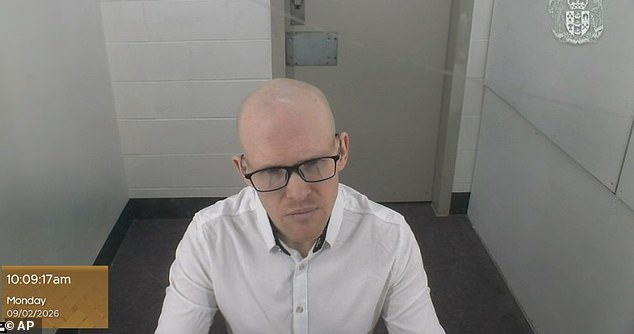
During a hearing before New Zealand’s Court of Appeal on Monday, Tarrant appeared via video link from his prison facility. His visual presentation was notably different from his previous court appearances. He was seen with a shaved head, wearing dark-rimmed glasses and a white collared shirt.
The purpose of this ongoing appeal is to have Tarrant’s guilty pleas withdrawn and his sentence reduced. Over the course of five days, Tarrant is expected to provide testimony explaining why he believes he was unable to make rational decisions at the time of his plea. He will also be required to account for the significant delay in filing his appeal, as New Zealand law mandates applications within 20 working days, a stark contrast to the two years Tarrant waited.
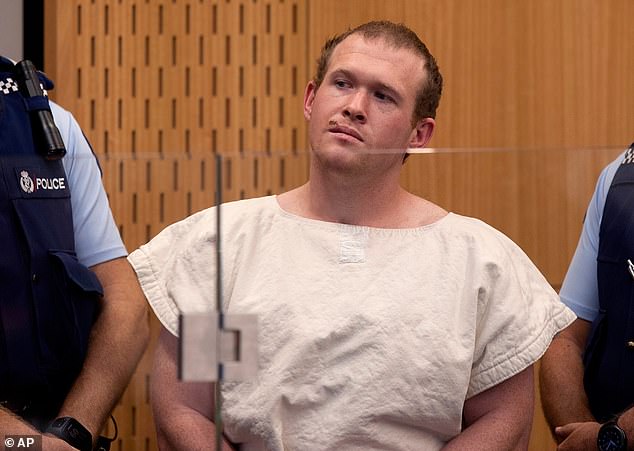

According to documents filed in his original 2022 appeal application, Tarrant alleges that his guilty plea was a direct consequence of being held under “illegal and torturous prison conditions.” He claims that crucial legal documents were withheld from him, he experienced a breakdown in his relationship with his previous legal counsel, and that the overall prison environment induced irrationality.
“It was a decision induced by the conditions, rather than a decision I rationally made,” Tarrant stated in his application. He further elaborated that the severe prison conditions were making him act irrationally, and that his plea had “nothing to do with changing beliefs.”
Tarrant has accused prison guards of engaging in psychological manipulation, describing instances where they allegedly feigned an inability to understand him. “They kept saying they couldn’t hear me,” he recounted. “They would say, ‘We don’t know what you’re saying, we can’t understand.’ I would yell and they would say, ‘No we still don’t get it.’”
He also reported that his legal representatives had expressed concerns about his mental state, noting that he had “changed” and was “not speaking the way you normally do.” Tarrant suggested that his altered appearance also contributed to their worries.

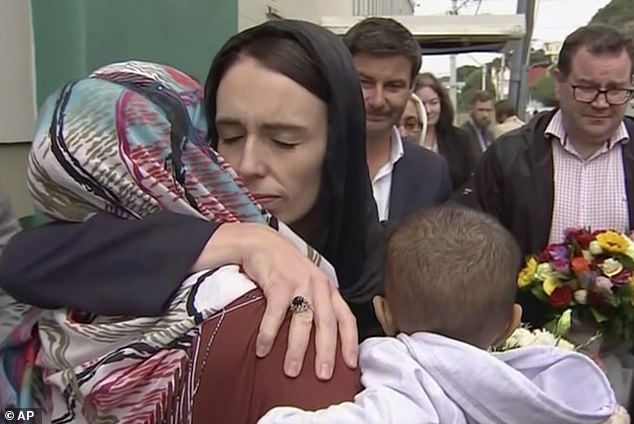
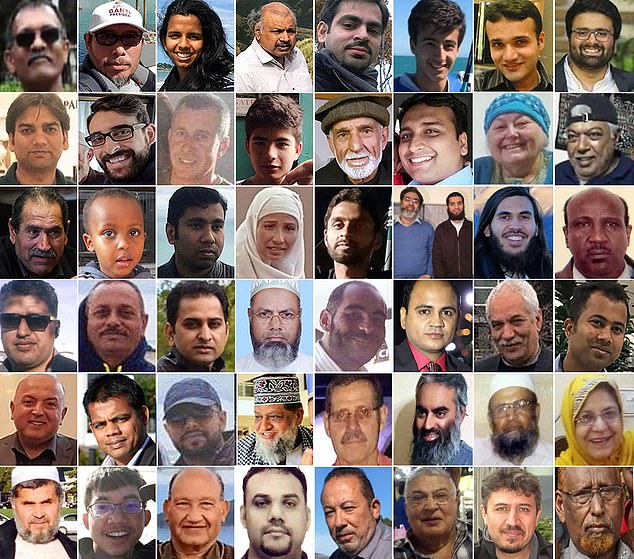
The current appellate hearing is operating under strict suppression orders. The identities of the lawyers representing Tarrant are being kept confidential due to safety concerns. Victims and their families will have the opportunity to observe the proceedings through a delayed broadcast.
Aya al-Umari, who tragically lost her older brother, Hussein, in the attack on the Al Noor mosque, is among those planning to follow the appeal. She expressed her disinterest in Tarrant’s current legal maneuvering, stating, “It will be just an image that I am looking at, because he means absolutely nothing to me at this stage.” Al-Umari suspects Tarrant’s primary motivation is to re-traumatize the victims’ families and regain public attention. “I suspect one of his main motivations to do this is to open up traumas again and I won’t let him succeed in doing that – he just wants his limelight and to be relevant again,” she commented.
The outcome of this appeal holds significant implications. If the three judges presiding over the Court of Appeal rule in Tarrant’s favour, allowing him to withdraw his guilty plea, the case could potentially proceed to a full trial on all charges. Conversely, if his appeal bid is unsuccessful, a separate hearing may be convened later this year to review his sentence.