Child’s Prank Sparks Mid-Air Scare, Prompting Military Escort for Passenger Jet
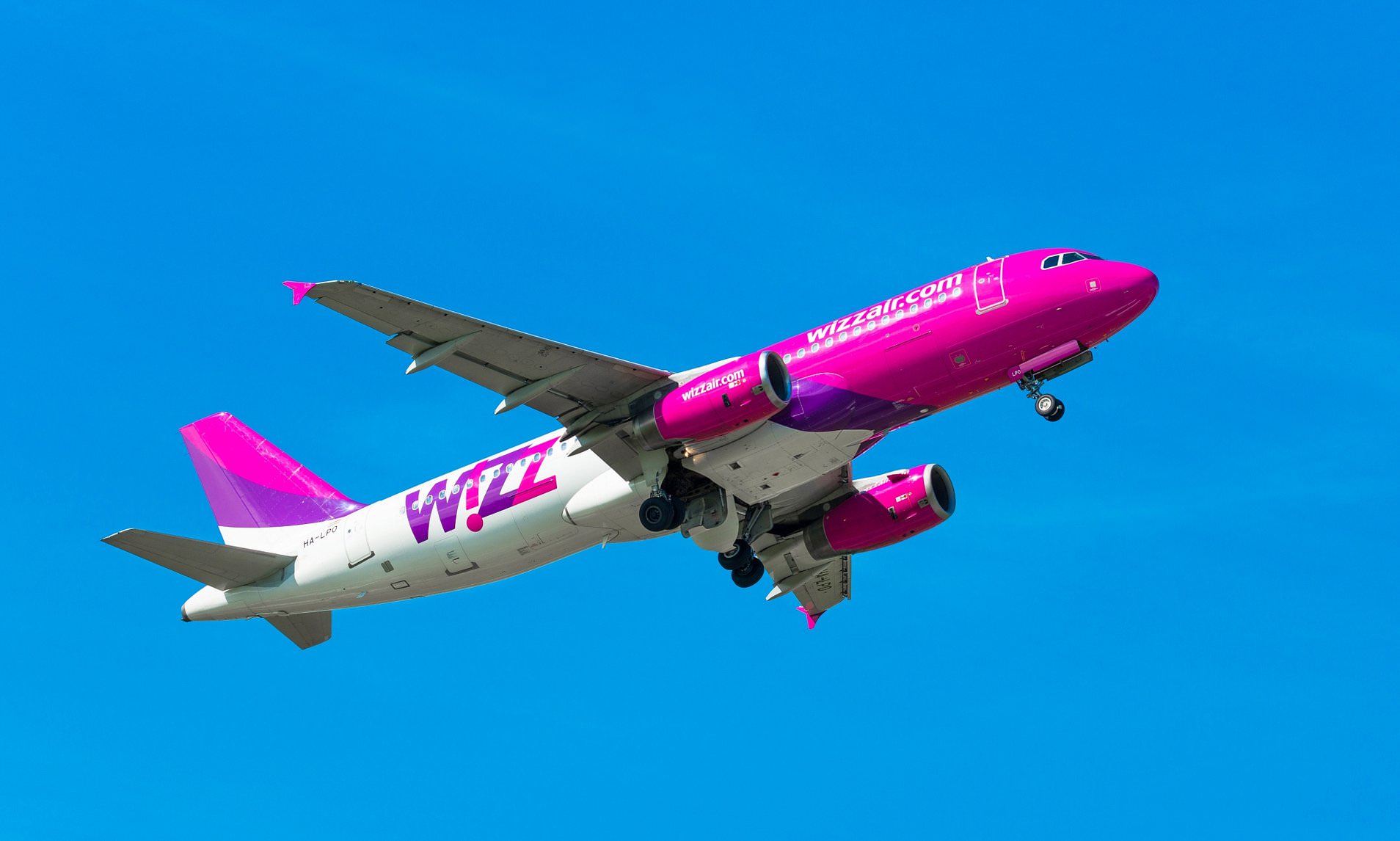
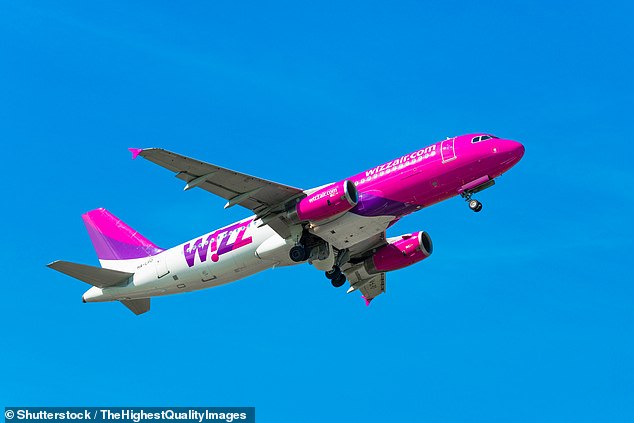
A routine flight into Israel’s Ben Gurion Airport was dramatically diverted and escorted by fighter jets after a passenger received a cryptic message on their phone, triggering a security alert. The incident, which unfolded on Sunday afternoon aboard Wizz Air flight W95301 traveling from London Luton Airport, highlights the sensitive nature of aviation security and the potential for even seemingly innocuous actions to escalate into significant concerns.
The flight, en route to Tel Aviv, experienced an unusual delay and diversion when a passenger, reportedly part of an ultra-Orthodox couple, received what was perceived as a “threatening message” on their mobile device. Investigations later revealed the alarming message originated from a Wi-Fi hotspot name.
The Accidental “Threat”
Sources indicate that the Wi-Fi hotspot in question belonged to the couple’s young son. In a moment of youthful mischief, the child had altered the name of his parents’ phone’s Wi-Fi hotspot to the Arabic word for “terrorist.” This seemingly minor alteration, when displayed on a phone screen, was enough to cause alarm among those who saw it, leading to a swift security response.
The perceived threat, though ultimately unfounded, prompted the immediate scramble of Israeli Air Force fighter jets. These aircraft were dispatched to intercept and escort the Wizz Air passenger plane to safety at Ben Gurion Airport.
Flight Path and Airport Response
Data from flight tracking services revealed that the Wizz Air flight performed several circles over the Mediterranean Sea, south of Cyprus, before commencing its landing approach in Israel. This holding pattern allowed authorities to assess the situation and prepare for the aircraft’s arrival.
Upon landing at Ben Gurion Airport, the scene was one of heightened security. Passengers and their luggage were thoroughly screened by bomb-sniffing dogs as a precautionary measure. The Israel Airports Authority later confirmed that the aircraft had landed safely and that no actual threat was found. A spokesperson stated, “The aircraft landed, and it was found that there was no real incident.”
Following the incident, air traffic at Ben Gurion Airport, which had been temporarily paused for safety reasons, returned to normal operations.
A Pattern of Phone-Related Security Incidents
This event is not an isolated incident involving mobile phones and aviation security. Just weeks prior, a Turkish Airlines flight from Istanbul to Barcelona was forced to make an emergency landing after a passenger reported another individual making bomb threats on their phone.
In that case, the Turkish Airlines jet was escorted by Spanish and French fighter jets over the Mediterranean Sea as it approached the Italian coast. A fellow passenger alerted the crew after witnessing the individual allegedly making threats on their device. Upon landing in Barcelona, police surrounded the aircraft and subsequently boarded it to apprehend the suspect.
These occurrences underscore the importance of vigilance and rapid response protocols within the aviation industry, while also serving as a reminder of how quickly misinformation or misinterpretation, even from a child’s prank, can lead to significant security measures.