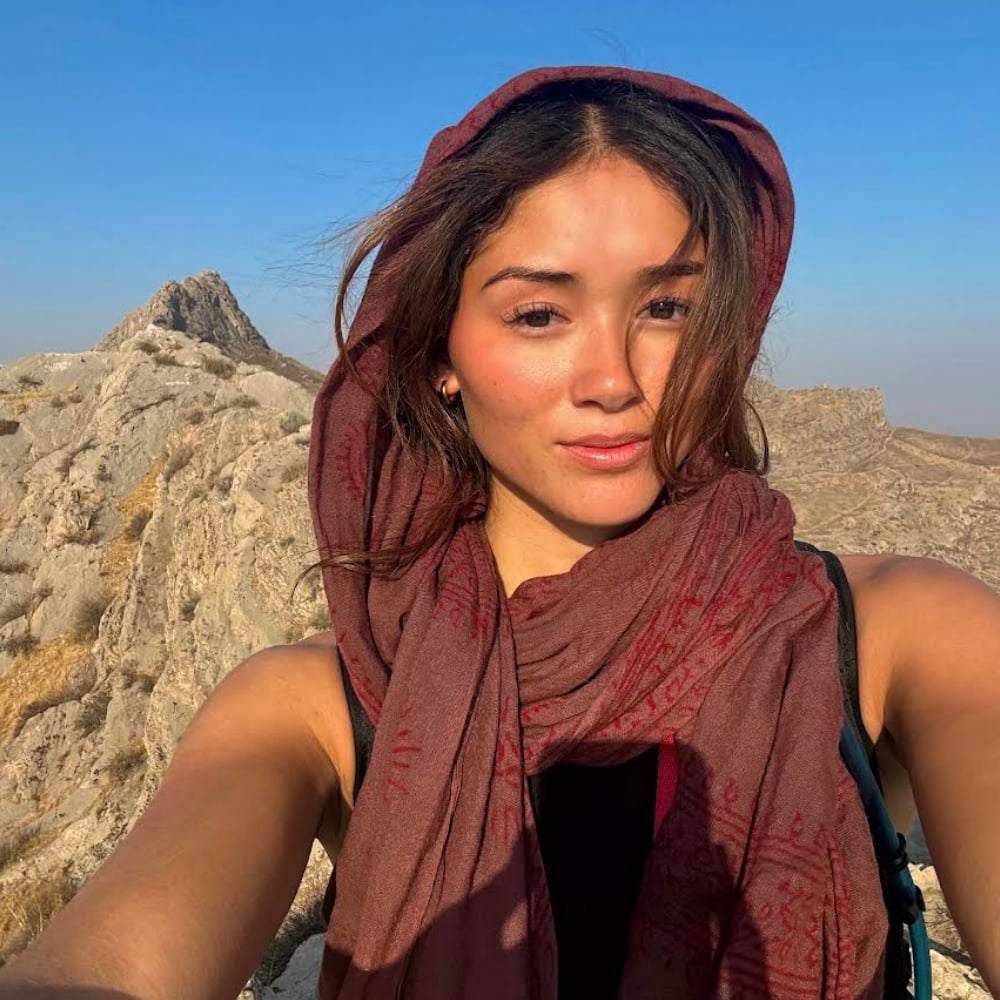
Michelle Cabrera was just 19 when the first signs of trouble appeared in her eyesight. What started as minor visual disturbances, commonly known as “floaters,” soon escalated into a serious concern. Sight had always been a challenge for the young Chicagoan; at the age of eight, her vision had deteriorated to the point where glasses became a necessity, a condition attributed to genetics. However, the real turning point came as she was on the verge of starting university.
A Grim Prognosis and a Daring Decision
Doctors discovered significant thinning at the back of Michelle’s eyes. This, combined with her genetic predisposition, placed her at a high risk for “sudden retinal detachment.” The prognosis was stark: her sight could deteriorate rapidly, potentially leading to blindness. Specialists explained that her eyes were too unstable for procedures like LASIK surgery, which requires a stable visual foundation. The dire warning was that she could go blind by the age of 20.
This news was devastating for Michelle. The thought of losing her vision at such a young age, before she had even begun to pursue her dreams, left her feeling hopeless. She recalls sitting in her basement, overwhelmed with despair, questioning the purpose of living if her life was to be cut short by such a debilitating condition.
However, from this moment of profound darkness, an unexpected and life-altering idea sparked. Michelle decided that instead of waiting for her future to be dictated by her condition, she would seize the present and start living the life she truly desired, right then and there.
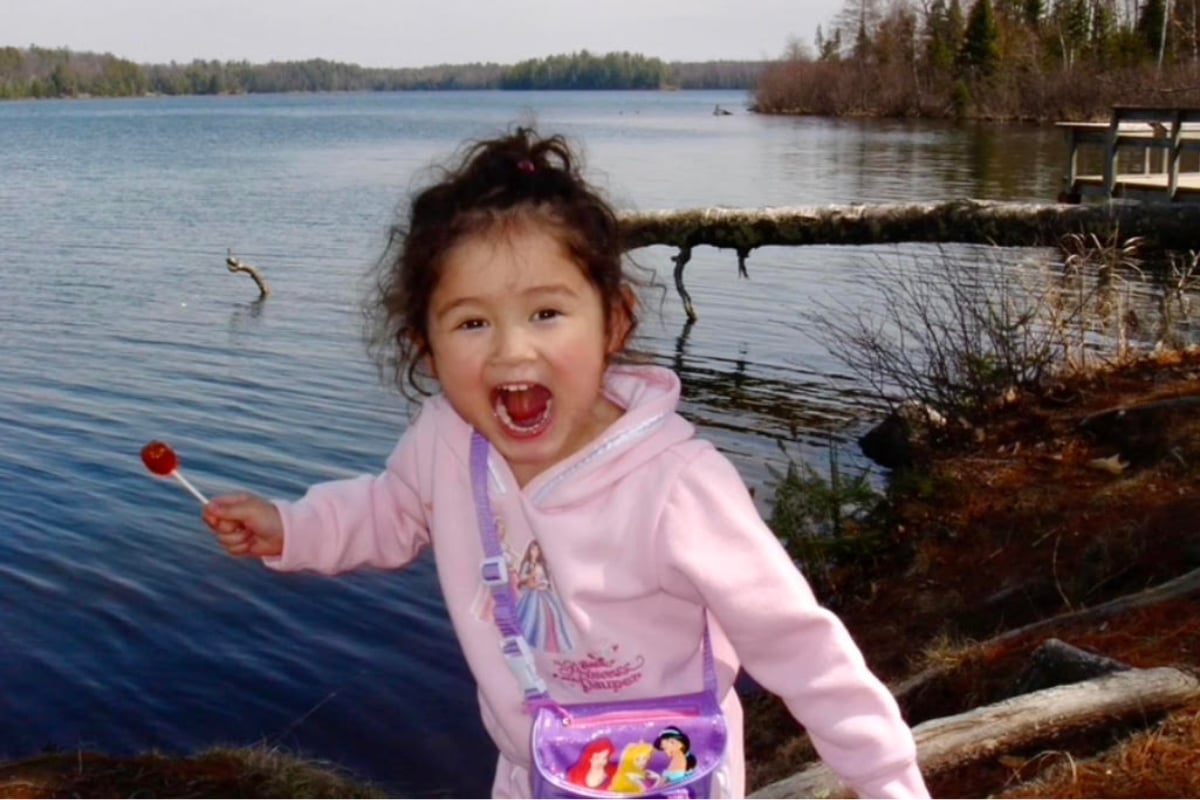
Michelle had always struggled with her vision. Image: Supplied.
Embarking on a Journey of Adventure
Following her first year of university, Michelle booked a one-way ticket to Nepal. Her plan was to immerse herself in a remote village in the Himalayas for three months, determined to see as much of the world as possible while her vision still allowed. This marked the beginning of an extraordinary chapter filled with adventures that often read like the plot of an action thriller.
After Nepal, her travels took her to Vietnam. What was intended as a casual five-hour day trip with locals turned into a harrowing three-day ordeal trapped within a recently discovered cave system. Armed with little more than cheap headlamps and sandals, Michelle entered the cave, driven by a desire to explore. The locals, however, had not fully disclosed the true length and complexity of the route, which extended all the way to Laos.
Inside the cave, Michelle navigated treacherous conditions, swimming through rushing water in near-total darkness, squeezing through narrow passages, and even making a daring five-metre jump down amidst jagged rocks. The subterranean world revealed astonishing sights, including massive snake vertebrae and bioluminescent insects. Emerging from the cave, the sheer relief and the newfound appreciation for her sight were palpable, a poignant irony not lost on her.
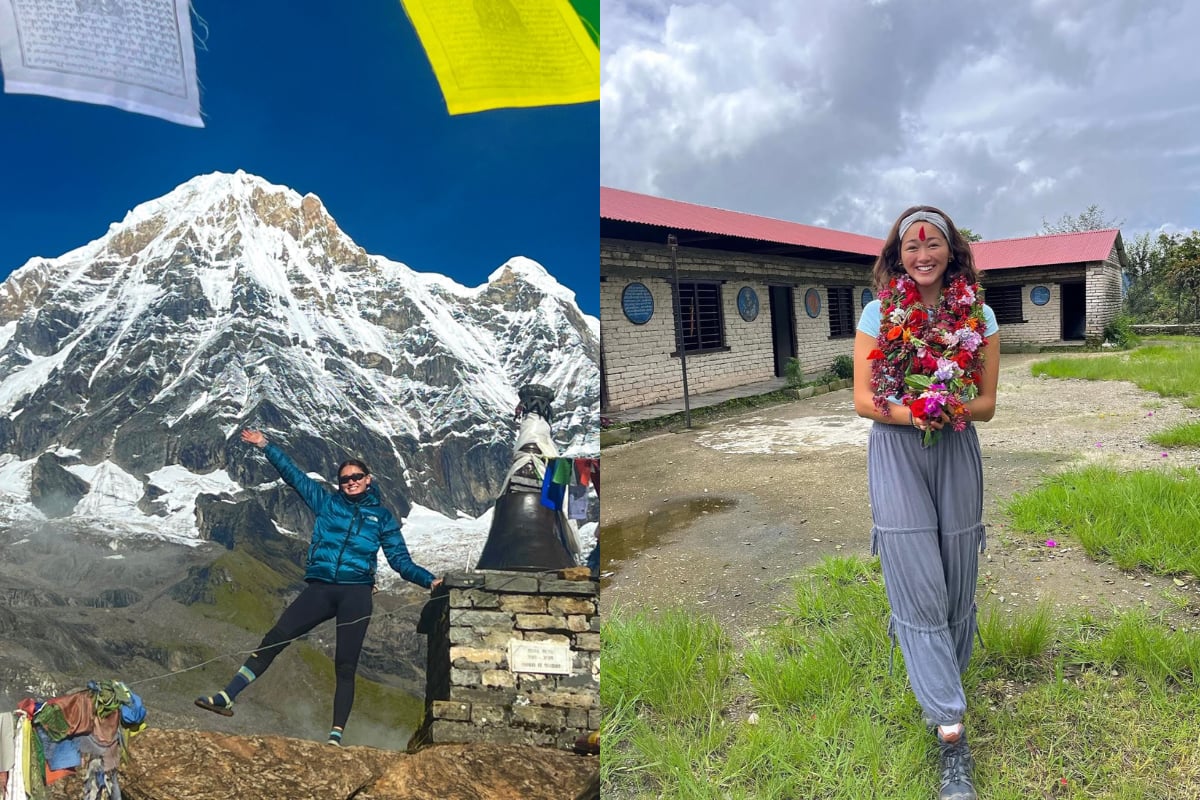
Michelle booked a one-way ticket to a remote village in Nepal. Image: Supplied.
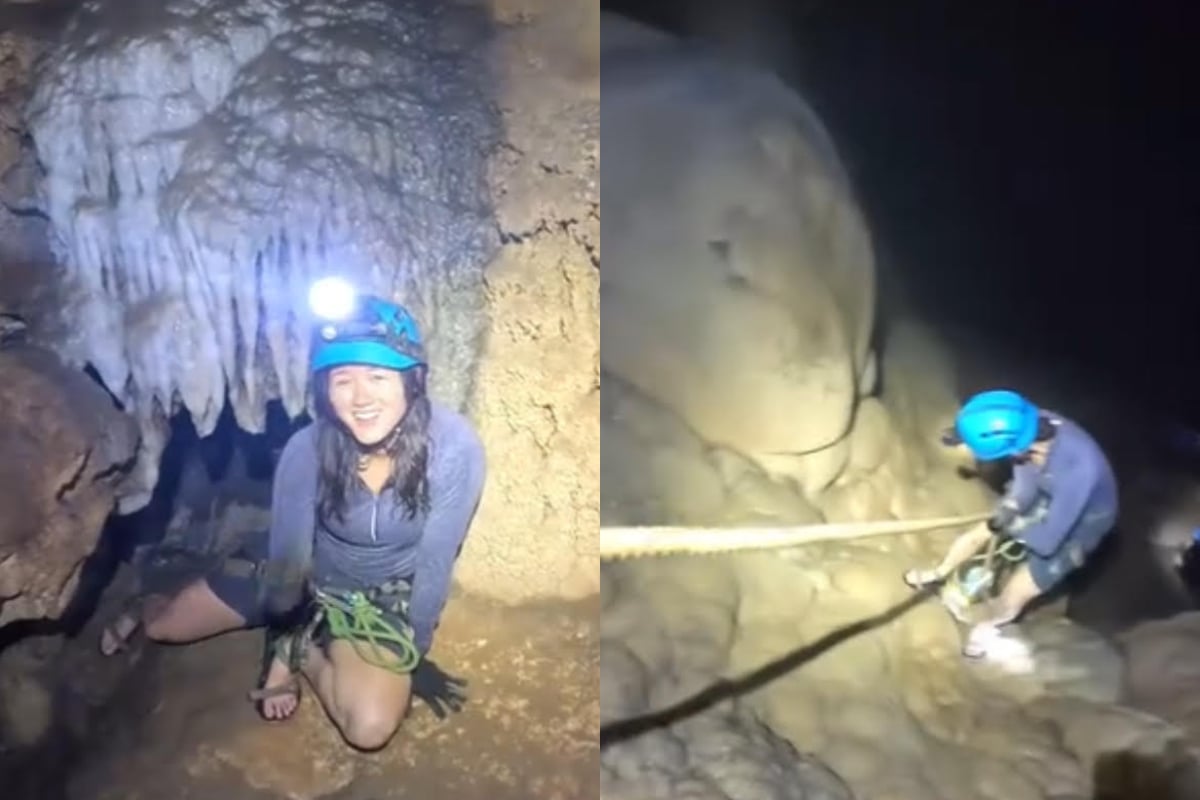
Michelle thought it would be a day trip. She was wrong. Image: Supplied.
Pushing Boundaries Across Continents
Michelle’s adventures continued to push her limits. In Australia, she aimed to become a “pro surfer,” but a snapped tendon led to an extensive rehabilitation period. She lived alongside nomadic yak shepherds in Kyrgyzstan and explored shipwrecks in Uzbekistan. Her time in China was cut short, as she was asked to leave after just 24 hours.
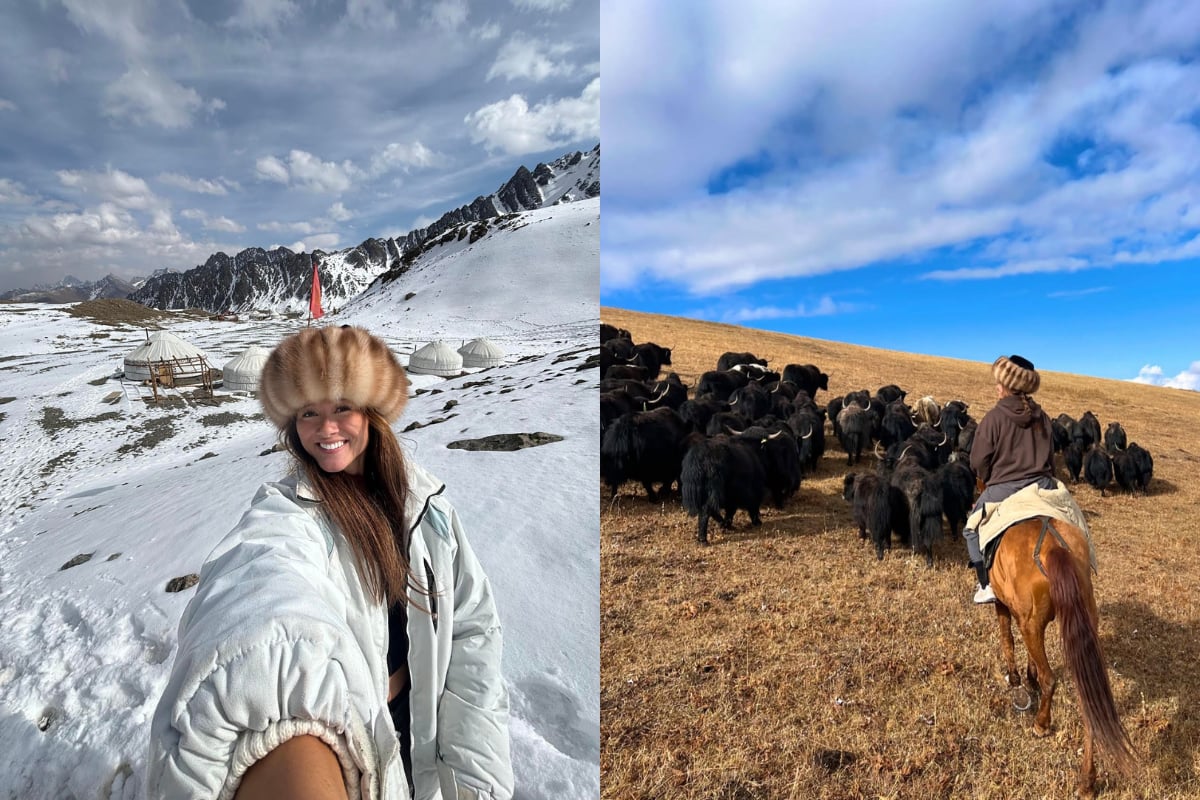
Michelle’s travels have taken her to far-flung destinations. Image: Supplied.
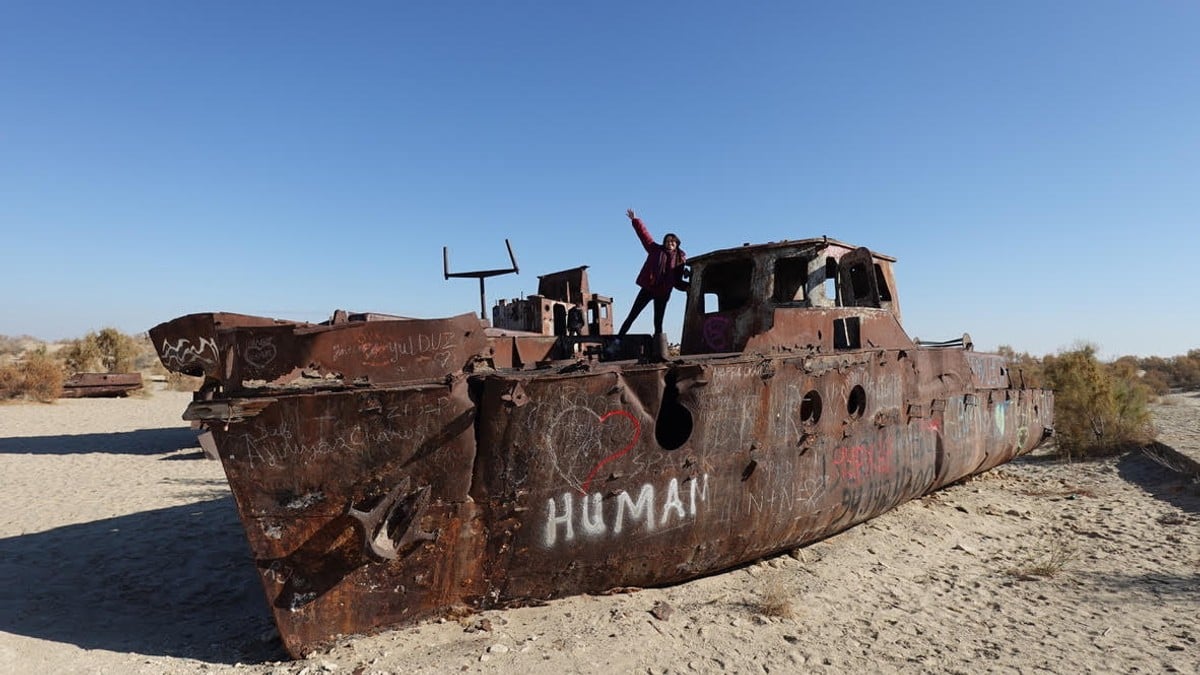
In Uzbekistan, she explored shipwrecks. Image: Supplied.
A particularly dramatic incident occurred in Nepal’s Lower Mustang region. While motorbiking through the Himalayas, Michelle found herself stranded after a landslide. She witnessed the military bombing the debris in the dark, the explosions echoing through the mountains.
Another unnerving experience involved what she believes was an international spy saga. While accepting a ride from strangers in Kyrgyzstan, the car was pulled over by police. The driver’s aggressive resistance to the officers, including fighting and fleeing, led to a tense standoff where guns were drawn. Michelle, a passenger in the back seat, was caught in the middle, fearing for her safety and desperately wishing not to be associated with the unfolding drama. Miraculously, she navigated through this perilous situation as well.
Challenging Perceptions and Inspiring Others
Michelle’s motivation for seeking out such extreme experiences goes beyond a mere adrenaline rush. She was inspired by storytellers like Anthony Bourdain and Steve Irwin but noticed a distinct lack of female adventurers in the narratives she consumed. This made her question if such pursuits were exclusively for men, and she was determined to challenge that perception.
She admits that her approach to travel has often elicited strong reactions. Warnings of kidnapping and death were common from her parents, friends, and community, who told her it was impossible for a girl her age. Michelle’s primary drive was to prove them wrong.
Ironically, she found that the places she was most warned against often turned out to be the safest. She describes Kyrgyzstan as surprisingly safe, where she experienced incredible hospitality from strangers, sharing meals and tea. This pattern of warmth and generosity was a recurring theme throughout her travels in Central Asia.
While traversing the Pamir Highway, one of the world’s highest roads, Michelle journeyed through Tajikistan towards the Afghan border, encountering families in isolated mountain communities. A particularly touching memory involves an elderly Pamiri woman who guided her to ancient petroglyphs on a mountainside before a sandstorm hit. After the woman sought help, Michelle was welcomed into a nearby family’s home for tea, deeply moved by their kindness. She feels that media portrayals often create a narrative that discourages women from venturing into such regions.
For Michelle, travel is fundamentally about overcoming fear and dismantling preconceived notions. She believes that our minds are the ultimate limiting factor, and that fear has held society captive for too long.
Her advice to women considering solo travel is straightforward: “Chase the unknown and say yes to new experiences because you never know where it will lead you. And be open to sharing with other people and talking to everyone and anyone.”
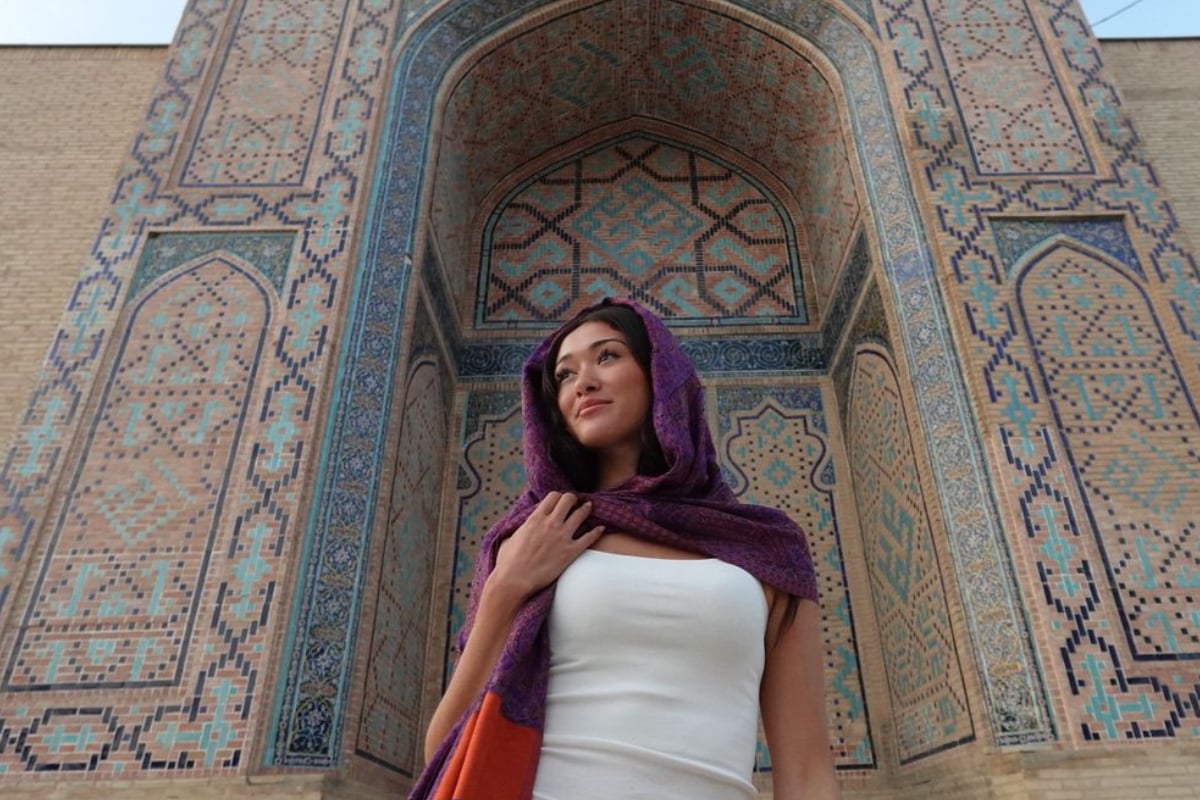
Michelle said some of the places she was warned against visiting were the ones she felt safest. Image: Supplied.
She advocates for ditching rigid itineraries, asserting that the most memorable moments often arise from spontaneous encounters. Genuine curiosity, she explains, has led her to unique experiences, particularly when she shows interest in local cultures by learning basic language phrases.
In terms of practical gear, Michelle swears by a filtered water bottle, sturdy hiking boots, electrolyte packets, and a reliable backpacking pack, noting that suitcases are impractical for the kind of exploration she undertakes.
An Unexpected Miracle
Now 22, Michelle is preparing for her next adventure in South America. However, before embarking on this new journey, she received the news she had been hoping for. Following another appointment with her retina specialist, doctors made an astonishing discovery.

After years, Michelle has received news she never expected. Image: Supplied.
Her eyesight had finally stabilised after years of deterioration. Not only has Michelle managed to preserve her vision, but she is now also eligible for LASIK surgery. She describes this outcome as nothing short of a miracle.
Reflecting on the life-altering diagnosis she received at 19, Michelle now views it as a “blessing in disguise.” She believes that without that dire prognosis, she might not have had the courage or impetus to pursue her dream life at such a young age, embracing the unknown and living life to its fullest.
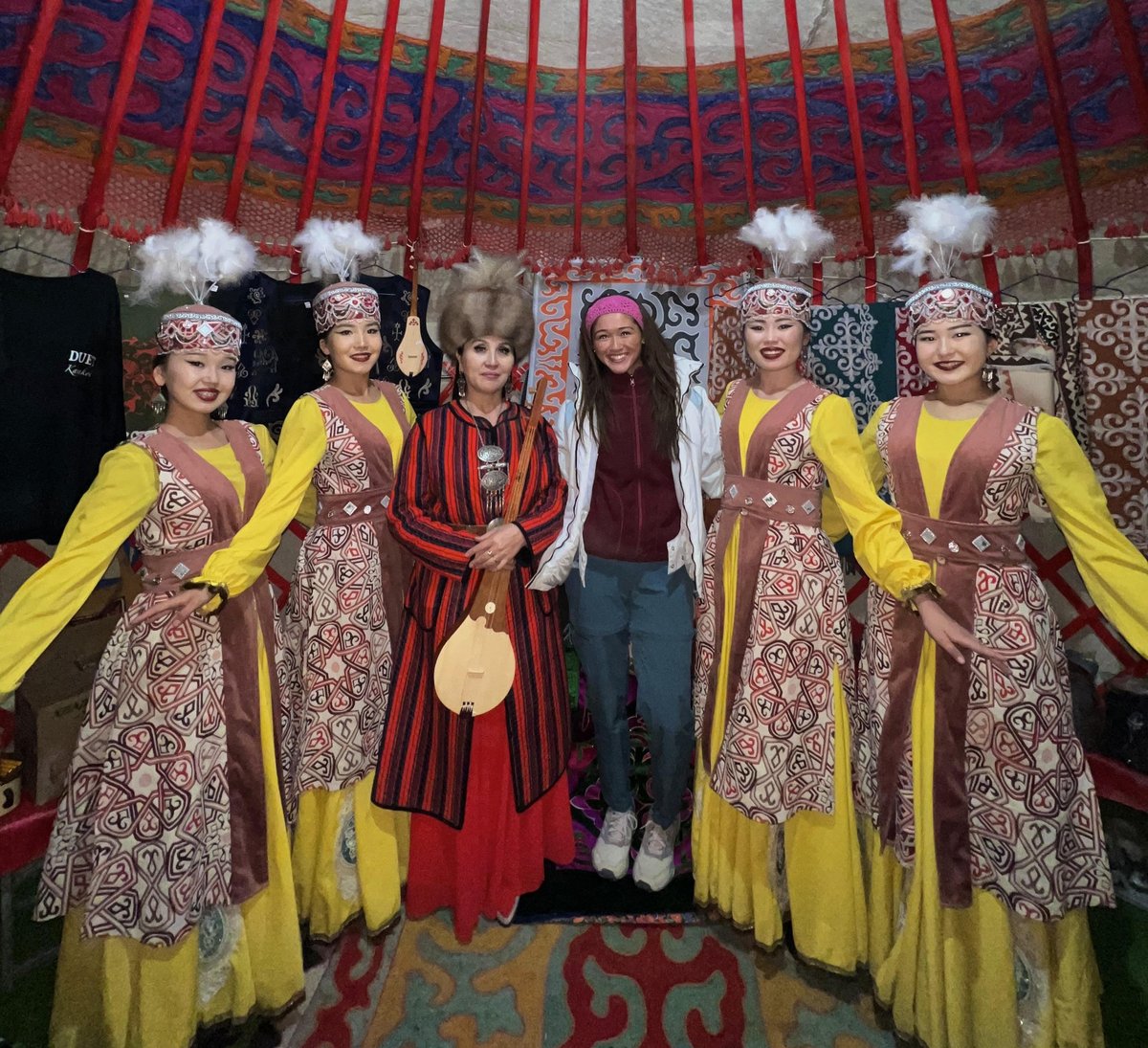
Michelle encourages others to dump rigid itineraries — and be curious about the cultures around them. Image: Supplied.