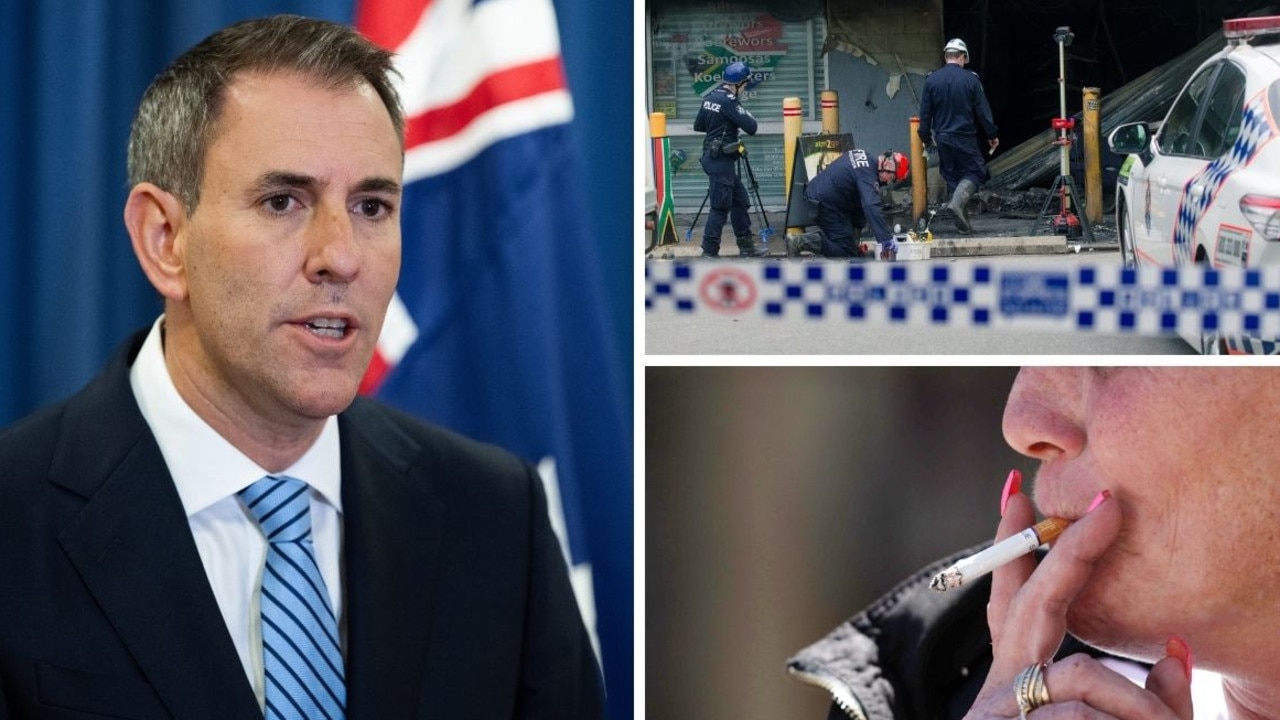
Australia’s Skyrocketing Cigarette Prices Fueling a Dangerous Black Market
Australia has cemented its reputation as the home of the world’s most expensive legal cigarettes, with regular excise increases pushing prices to staggering new heights. The latest six-monthly hike, implemented in March, has seen a further 2 per cent rise, directly linked to wage growth. This means the tax on a single cigarette now hovers around $1.52, translating to over $30 in tax alone for a standard pack of 20, even before factoring in the Goods and Services Tax (GST) and retail markups.
Since 2020, tobacco excise has surged by approximately 60 per cent. This relentless climb now accounts for roughly three-quarters of the $40 to $50 price tag of a legal pack. The financial burden on smokers is immense. To put it into perspective, a packet of 25 Winfield Blue cigarettes that cost a mere $1.07 in 1980 would set you back about $5.79 in today’s money. Fast forward to the present, and a similar pack commands a hefty $46.95, with a staggering $38 of that price directed straight to government excise and duties. For those with a pack-a-day habit, the annual cost now sits at around $14,600, with projections indicating it will surpass $15,000 next year.
The Rise of the Black Market and Escalating Violence
As legal cigarette prices have soared into the stratosphere, so too has Australia’s illicit tobacco trade. Victoria, in particular, has emerged as a hotbed for a violent turf war waged between organised crime syndicates vying for control of the booming black market. These clashes, ominously dubbed the “Melbourne tobacco wars,” have triggered a disturbing wave of over 125 arson attacks targeting tobacco and convenience stores since early 2023. The violence has also extended to extortion demands, shootings, and tragically, at least one fatality. In response, Victoria Police have established Taskforce Lunar to combat these criminal syndicates.
Illicit cigarettes, often discreetly sold under the counter or through clandestine pop-up tobacconists, can be purchased for as little as $10 to $15 per pack – less than half the price of legal alternatives. Authorities now estimate that a shocking 60 per cent of all cigarettes consumed in Australia are acquired through these illegal channels.
This dramatic shift has had a profound impact on federal revenue. Tobacco excise receipts, which peaked at $16.3 billion in the 2019-20 financial year, are now forecast to plummet to $5.5 billion for the current financial year. Treasury projections suggest this figure could further decline to around $4.4 billion by 2028-29. The latest mid-year budget update revealed a significant downgrade of $8.2 billion in expected tobacco excise revenue over the next four years, a stark reflection of the mass exodus from the legal market.
Policy Under Review Amidst Declining Revenue and Growing Concerns
Despite the precipitous drop in revenue and the escalating violence associated with the illicit trade, the federal government has so far ruled out any reduction in tobacco excise. Instead, it has committed hundreds of millions of dollars towards bolstering border enforcement and compliance operations.
However, questions are increasingly being raised in Canberra about whether the current tax strategy has reached a tipping point. During recent Senate estimates hearings, Finance Minister Katy Gallagher confirmed that Treasury is actively examining the price elasticity of tobacco demand – essentially, how sensitive smoking rates are to price fluctuations. This analysis involves consultations with health and home affairs officials as part of ongoing policy reviews.
Diane Brown, a deputy secretary at Treasury, informed senators that officials are modelling potential shifts in demand patterns in response to the soaring prices. Some economists are now voicing the argument that the government’s long-standing strategy of taxing smoking out of existence has collided with economic realities. Economist Chris Richardson has publicly stated that Australia “got the taxing of tobacco spectacularly wrong,” contending that the widening price gap between legal and illegal products has inadvertently created an unprecedented revenue stream for organised crime.
Alternative suggestions include at least freezing the excise rate to allow the real cost of cigarettes to ease over time, combined with more stringent enforcement measures and robust licensing regimes for tobacco retailers.
A High-Risk, High-Reward Market for Criminals
Australia already imposes some of the highest tobacco taxes globally. Tobacco-specific taxes constitute over 65 per cent of the average retail price, and this figure can climb as high as 84 per cent for cheaper “budget” brands. The rapid escalation in taxes began with a substantial 25 per cent overnight increase in 2010. This was followed by eight consecutive annual hikes of 12.5 per cent between 2013 and 2020. More recently, from September 2023 through to 2025, the government introduced additional annual increases of 5 per cent, layered on top of routine indexation adjustments.
This aggressive tax policy has undoubtedly contributed to a significant reduction in national daily smoking rates, which have halved over two decades, dropping from 22.1 per cent in 2001 to 9.2 per cent by 2022. However, critics argue that an unintended consequence has been the creation of a lucrative, low-risk market for criminal syndicates, who are more than willing to undercut legal retailers.
Victoria, currently the only state without a comprehensive tobacco retail licensing scheme, has announced plans to introduce one. This initiative aims to shut down an estimated 1100 illegal “pop-up” tobacconists operating within the state. Meanwhile, authorities are grappling with the mounting logistical costs associated with seizing, storing, and destroying millions of illicit cigarettes and vapes. This challenge is exacerbated by the surging youth vaping rates and the increasing number of discarded vape devices, which pose fire risks at waste facilities due to their lithium-ion batteries.
The central and pressing question for policymakers now is whether the continuous increase in cigarette prices will continue to drive down smoking rates, or if it will simply push more Australians into the clutches of the black market.