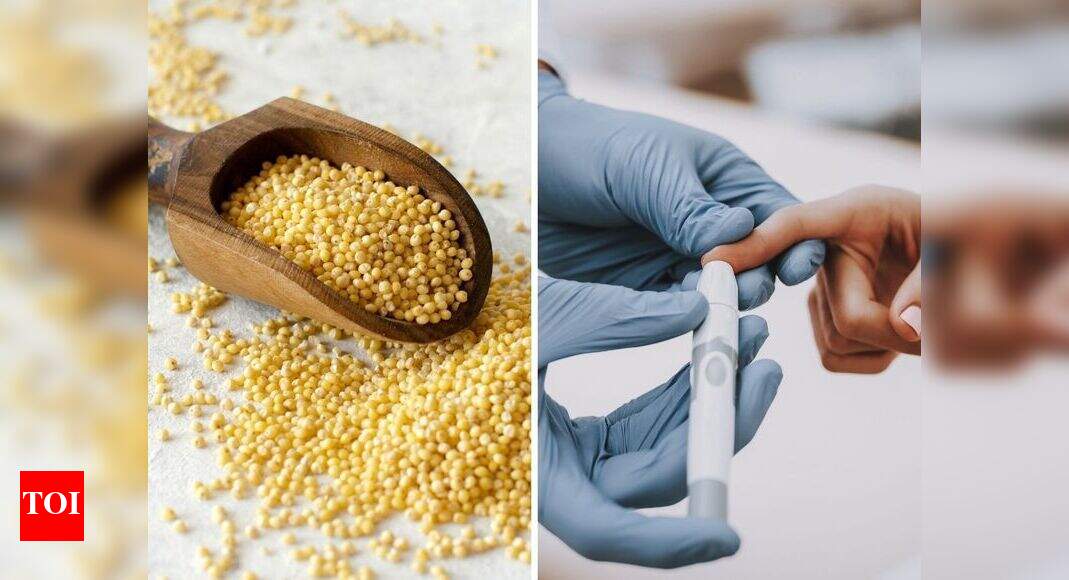
The Role of Pearl Millet in Enhugging Diabetes Medication Efficacy
For millions of people living with Type 2 diabetes, managing blood sugar is a daily balancing act that involves medication, meals, and lifestyle choices. While doctors often adjust drug dosages and patients carefully monitor carbohydrate intake, emerging evidence suggests that everyday foods can significantly influence how diabetes medications function within the body. This has led researchers to explore the potential interactions between dietary components and pharmaceutical treatments.
Now, a new study is bringing this previously overlooked interaction into sharper focus. Researchers have found that pearl millet, a centuries-old staple grain known for its low glycaemic index, can amplify the effects of gliclazide, a commonly prescribed antidiabetic drug. This discovery could have significant implications for diabetes management, particularly in regions where access to advanced healthcare is limited.
The study was published in the Texila International Journal of Public Health and is entitled “Possible Food-Drug Interactions of a Pearl Millet Diet on Gliclazide in Diabetic Rats.” It highlights the growing concern around diabetes as one of the fastest-growing chronic diseases worldwide. According to global projections, the number of people living with diabetes is expected to increase by more than 50 per cent by 2045, with the largest increases occurring in low- and middle-income countries.
In these regions, access to advanced healthcare is often limited, making dietary management a crucial component of treatment. Despite advances in medicine, long-term diabetes management remains complex. Medications for diabetes effectively lower blood glucose levels but may lose efficacy over time or cause adverse effects, particularly hypoglycemia (low blood sugar). As a result, researchers are increasingly interested in complementary dietary strategies that support medication rather than compete with it.
Nutritional Benefits of Pearl Millet
Pearl millet has been cultivated for thousands of years and continues to be a dietary staple in parts of Asia and Africa. It is rich in dietary fibre, resistant starch, and polyphenolic compounds, which contribute to its slow digestion and result in a gentler rise in blood glucose compared to refined grains such as rice, wheat, and maize. Past studies have also shown that millets can improve insulin sensitivity, lower cholesterol levels, and reduce oxidative stress.
To investigate how a millet-rich diet interacts with antidiabetic drugs currently in use, researchers employed a well-established animal model of Type 2 diabetes. Diabetes was induced in laboratory rats using a streptozotocin–nicotinamide protocol, which mimics the insulin resistance observed in human disease. The animals were divided into three groups and given either gliclazide alone, a diet containing 60 per cent pearl millet, or a combination of pearl millet and gliclazide. These treatments were administered either as a single dose or repeatedly over several weeks.
Blood glucose levels were monitored over time, while researchers also measured insulin, HbA1c, lipid profiles, liver enzymes, antioxidant markers, and serum concentrations of gliclazide to understand the drug’s behaviour in the body.
Key Findings from the Study
The results showed that gliclazide alone reduced blood glucose by approximately 33 per cent, while the pearl millet diet alone produced a modest reduction. However, when combined, the glucose-lowering effects were faster and more sustained, especially with long-term consumption compared to gliclazide alone. The study showed that pearl millet altered the metabolism of gliclazide in the body, increasing its peak concentration in the bloodstream. This suggests a synergistic effect, where dietary components enhance the drug’s glucose-lowering action rather than simply adding to it.
According to the researchers, this effect is believed to be linked to compounds in pearl millet that may inhibit enzymes involved in drug metabolism, particularly CYP3A4. Such enzyme modulation can slow drug breakdown, resulting in prolonged or intensified drug effects.
Beyond glucose regulation, the long-term consumption of pearl millet and gliclazide resulted in significant improvements in cholesterol and triglyceride levels, including reductions in LDL and VLDL cholesterol and an increase in protective HDL cholesterol. Liver health markers also improved, indicating protection against diabetes-related liver damage. Additionally, antioxidant defences were significantly enhanced.
Oxidative stress is a key driver of diabetes complications, including cardiovascular disease, neuropathy, and nephropathy, making these findings especially relevant for long-term disease management.
Implications for Healthcare Providers
They stated that physicians and healthcare providers should consider dietary habits when prescribing sulfonylureas, such as gliclazide, especially in populations where pearl millet is a dietary staple. Dietary staples can enhance the effectiveness of existing medications, potentially improving outcomes without the need to increase drug dosages.
Patients taking gliclazide who regularly consume pearl millet were also cautioned to undergo closer blood glucose monitoring and may require dose adjustments to avoid hypoglycaemia (low blood sugar). The researchers emphasised the need for human clinical trials to confirm these findings and establish safe dietary guidelines for patients taking gliclazide. Future studies will also help identify the specific compounds in pearl millet responsible for the observed effects.
If confirmed in humans, these findings could transform how clinicians manage diabetes—particularly in populations where traditional grains are a staple of daily diets. Everyday foods can serve as silent partners or subtle modifiers of drug action. The boundary between food and medicine is often more blurred than we realise.
Drawing on research from 11 countries, a study published in Frontiers in Nutrition reported that people with diabetes who included millets in their daily diet experienced a 12 to 15 per cent reduction in blood glucose levels (both fasting and post-meal). Their blood glucose levels improved from diabetic to pre-diabetic ranges.
The HbA1c levels (blood glucose bound to haemoglobin) decreased by an average of 17 per cent in prediabetic individuals, resulting in a shift from prediabetic to normal status.
No doubt, diets play a critical role, and if millets are reintroduced into our diet, they will not only help control diabetes but also add important nutrients to our plates.