The Secret World Behind the Music on Your Flight
When you board a plane, the music playing in the background might be a calming and soothing melody or something more catchy—like the Jess Glynne song that has become synonymous with Jet2 flights. Regardless of the tune, it’s clear that the music played on airplanes can significantly influence your travel experience.
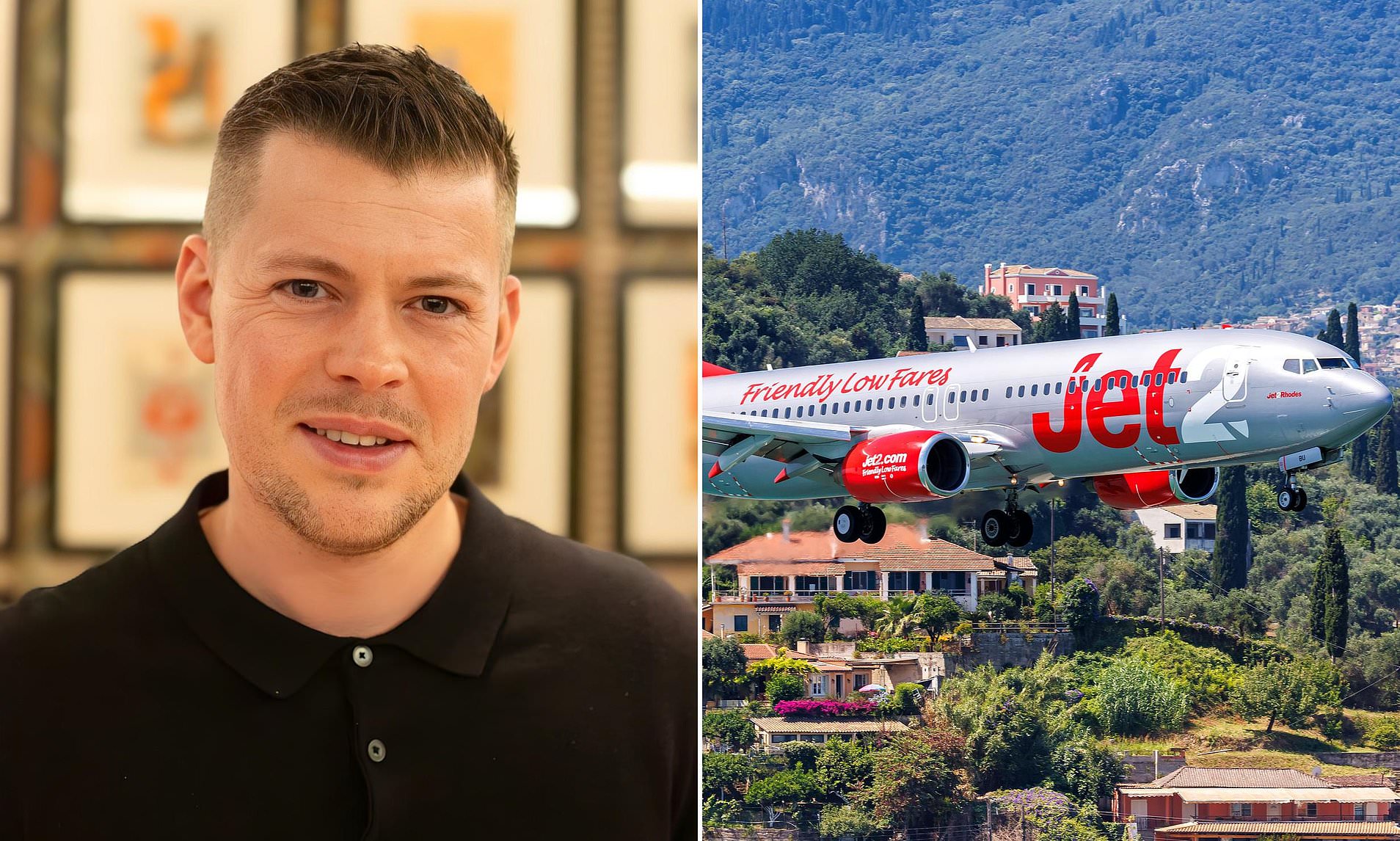
Max De Lucia, 34, from London, is the co-founder of DLMDD, a music advertising agency responsible for the soundtracks behind major airlines such as Singapore Airlines and Norwegian Airlines. He shared insights into the intricate world of “sonic branding” and how it shapes the emotional journey of passengers.
Max explained that an airline’s sound is just as crucial as its visual identity. He stated, “We always say that an airline or an aircraft is a tin box in the sky until you fill it with all of the elements.” This means that the right music can transform a simple flight into an unforgettable experience.
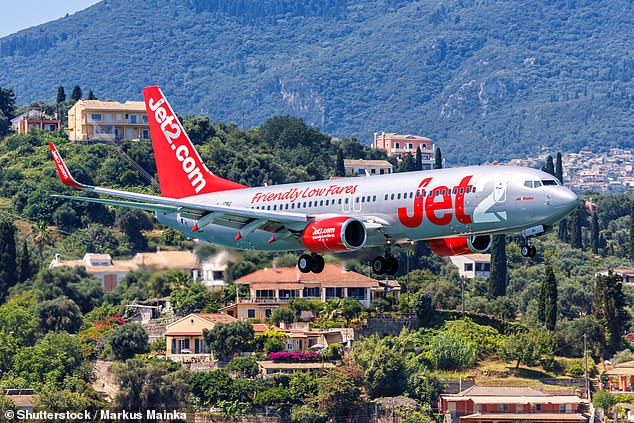
One of the most famous examples of airline music is the Jet2 mantra and theme tune. Max noted that the Jess Glynne track, “Hold My Hand,” has become viral and is used extensively by Jet2. While some may find it annoying, he emphasized that the goal is to make the brand memorable and talked about. He mentioned the psychological phenomenon known as the ‘mere exposure’ effect, where repeated exposure to a song can lead to increased familiarity and even preference over time.
According to Max, the success of Jet2’s mantra, “nothing beats a Jet2 holiday,” is partly due to this effect. However, creating the perfect soundtrack is not as straightforward as it seems. Each airline has its own unique identity, and the music must reflect that.
The process involves a discovery phase where the brand’s musical references are identified. Then, composers and music producers are brought on board to create the right creative teams. Afterward, various options are reviewed to find the perfect sound.
Max concluded that the music on board is the result of a meticulous process. “Probably no one ever thinks, when they sit down on that plane, that the music that’s playing around them has gone through this immensely robust – and sometimes quite tedious – process of stress testing the hell out of it to make sure that it is the right, perfect music for that brand and that brand’s experience.”
He also highlighted that sound is significantly more powerful than visual stimulus, with statistics suggesting it is around 800 per cent more impactful. The airline music should be as ignorable as it is interesting, allowing passengers to enjoy their journey without distraction. However, if the music captures attention, it should have artistic depth and beauty.
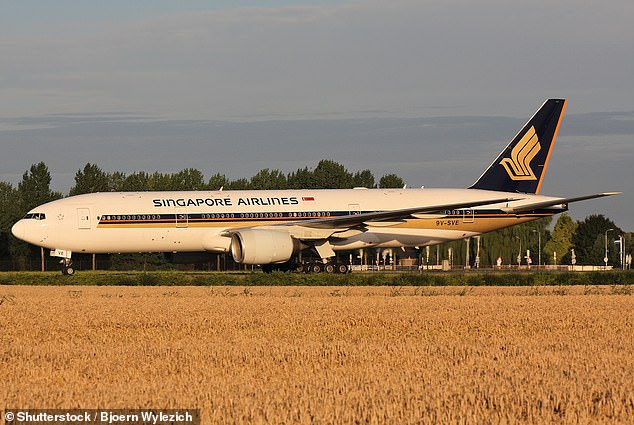
For instance, DLMDD created the sonic identity for Singapore Airlines, translating its floral visual identity into sound. They built a custom instrument that converts color frequencies into musical notes, resulting in the “Symphony of Flowers.” This piece of music aims to evoke peaceful emotions.
Composers use various techniques to create specific moods. Max explained that they avoid minor keys, which can evoke sadness, and focus on rhythms and melodies that convey a sense of movement. Repetition is also avoided to prevent irritation among passengers.
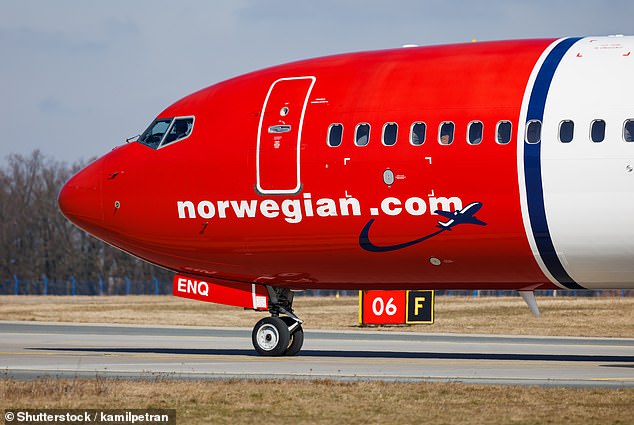
For flag-carriers, the music often reflects the country’s cultural essence. For example, United Airlines used Gershwin’s “Rhapsody in Blue” to evoke an American feel. Similarly, Norwegian Airlines worked with the Trondheim Orchestra to capture the essence of Norway, recording in a studio on the fjords of Trondheim.
Max concluded by emphasizing that many airlines aim for the level of recognition associated with brands like Netflix. “Everybody wants their Netflix level of fame,” he said. Achieving this level of ubiquity requires years of commitment and dedication.