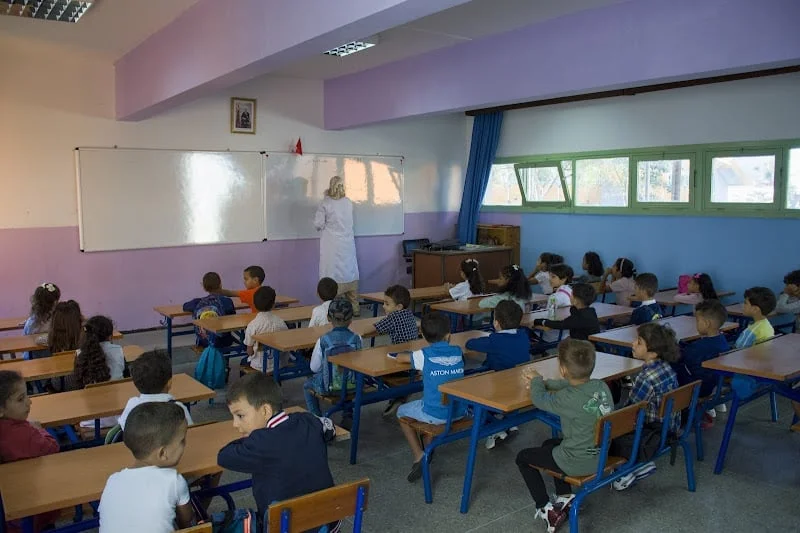
Morocco has achieved remarkable strides in broadening educational access over the past two decades, evidenced by a significant reduction in out-of-school rates and a surge in student enrolment. However, despite these advancements, the nation continues to grapple with persistent challenges, including high rates of grade repetition, escalating educational costs for families, and notable regional disparities in educational outcomes.
A Decade of Educational Transformation
Over the last twenty years, Morocco has witnessed a dramatic transformation in its educational landscape. A comprehensive assessment has revealed that the proportion of adolescents out of school has plummeted by an impressive 85%, declining from 42% in 2000 to a mere 6% by 2023. This positive trajectory extends to upper secondary youth as well, with their out-of-school rate decreasing by 63%, from 63% to 23% during the same period. This significant improvement brings Morocco closer to the average rates observed in upper-middle-income countries.
The report indicates that Morocco has sustained a rapid pace in reducing its out-of-school rate, averaging a decline of 1.6 percentage points annually for over a quarter of a century. This consistent effort has resulted in a substantial decrease in the absolute number of children and youth not attending school. From over 2 million in 2000, this figure has fallen to approximately 570,000 in 2023, marking a 72% reduction.
Infrastructure and Enrolment Growth
A key factor underpinning this educational progress has been a substantial expansion of school infrastructure. Between the 1999/2000 and 2023/24 academic years, the number of public lower secondary schools more than doubled, growing from 941 to 2,024. Simultaneously, upper secondary schools experienced even more robust growth, nearly tripling in number from 537 to 1,505.
This infrastructural development has been complemented by a steady rise in enrolment rates. The proportion of students entering lower secondary education has climbed from 50% in 2000 to an impressive 90% in 2024. Similarly, entry into upper secondary education has seen a significant increase, rising from 20% in 2000 to 50% by 2020.
Persistent Hurdles: Repetition and Costs
Despite the considerable gains in access, the report highlights that simply being in school does not guarantee timely progression through the educational system. High rates of grade repetition remain a significant concern, particularly in secondary education. While repetition in primary education has declined to 7% in 2024, it stood at a considerable 23% in lower secondary education by 2019, before dropping to 11% in upper secondary education in 2024.
Furthermore, the financial burden of education on families is escalating. The proportion of household consumption allocated to education has nearly doubled, increasing from 1.6% in 2001 to 3.7% in 2014, indicating mounting financial pressure on Moroccan households.
Social Support and Reintegration Initiatives
In response to these challenges, Morocco has bolstered its social support programmes to alleviate financial barriers to education.
- Tayssir Cash Transfer Programme: This initiative provides monthly stipends ranging from $8 to $13 to eligible students. By 2025, the programme was expected to reach 3.1 million students.
- Back-to-School Support: Additional financial assistance, amounting to MAD 200 to MAD 300, has been introduced to help families cover the costs associated with the start of the academic year.
- School Transport Support: This programme has seen significant expansion, benefiting 111,000 students, with a particular focus on those in rural areas, who constitute 75% of the beneficiaries.
Efforts to reintegrate students who have dropped out of school have also yielded positive outcomes. The “Second Chance School” programme, for instance, enrolled nearly 18,000 students in the 2024/25 academic year. A remarkable 72% of these students have since been successfully reintegrated into formal education, vocational training, or have found employment.
The Road Ahead: Addressing Disparities
While the report commends Morocco’s “strong and sustained improvements” driven by targeted interventions, it underscores that significant challenges persist. The report cautions that despite the overall progress, “regional disparities in dropout rates remain significant.” Addressing these geographical inequalities will be crucial for ensuring equitable educational opportunities for all children and youth across the nation.