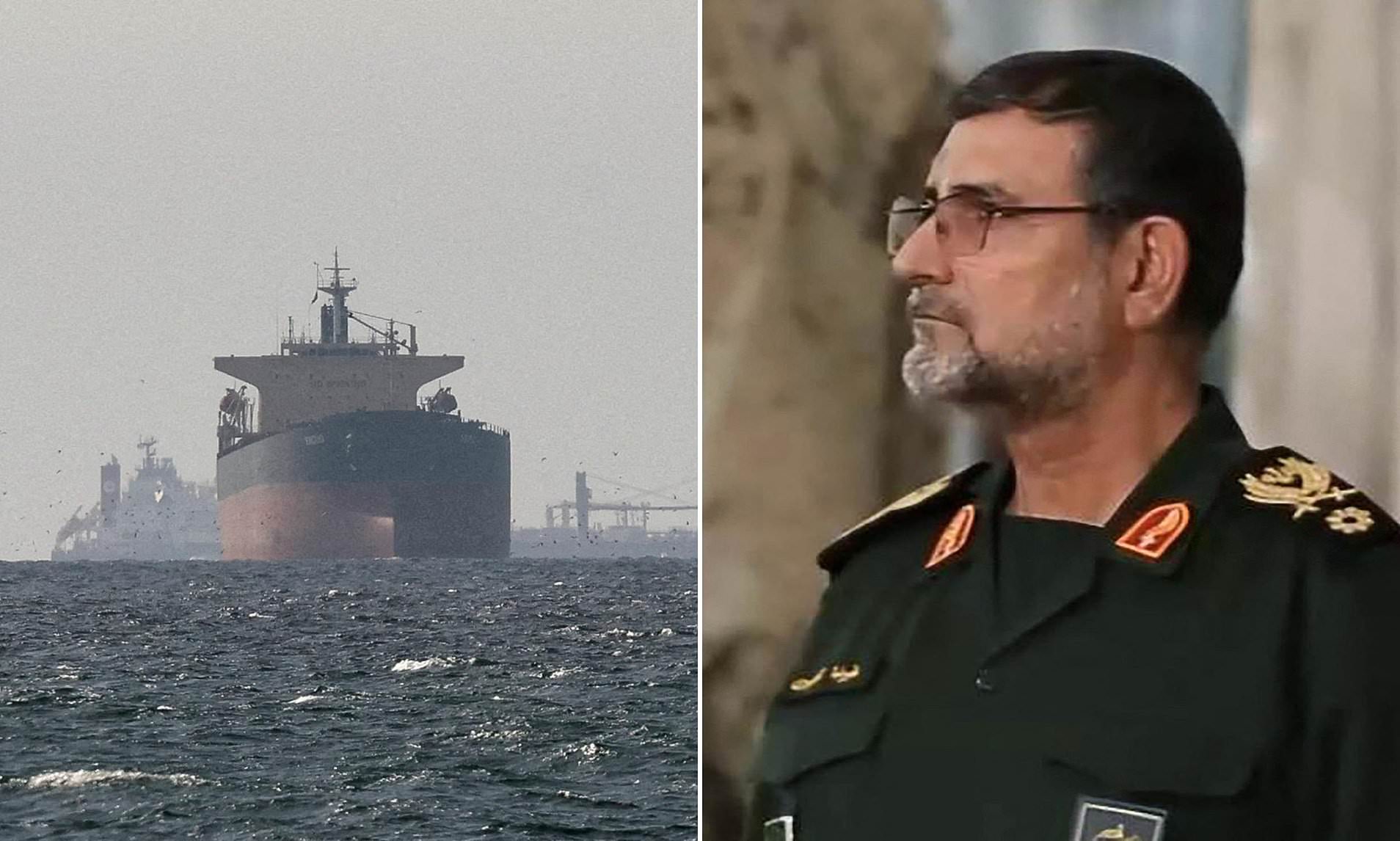
Senior Iranian Naval Commander Killed in Israeli Airstrike
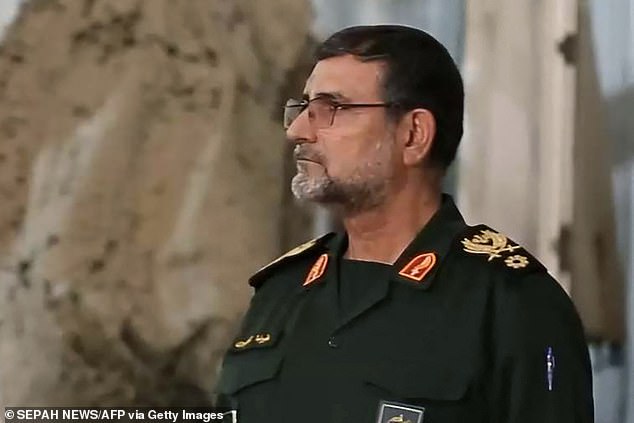
A significant development in the ongoing regional tensions has emerged with the reported killing of Alireza Tangsiri, the commander of Iran’s Revolutionary Guards’ navy. Israeli Defense Minister Israel Katz announced Tangsiri’s death via a video statement, asserting that the Israeli Defense Forces (IDF) executed a “precise and lethal operation” targeting Tangsiri and other senior naval officers.
Katz explicitly stated that Tangsiri was “directly responsible for the terrorist operation of mining and blocking the Strait of Hormuz to shipping,” and that he had been “blown up and eliminated.” This strike underscores the escalating conflict and the strategic importance of key maritime routes in the Middle East.
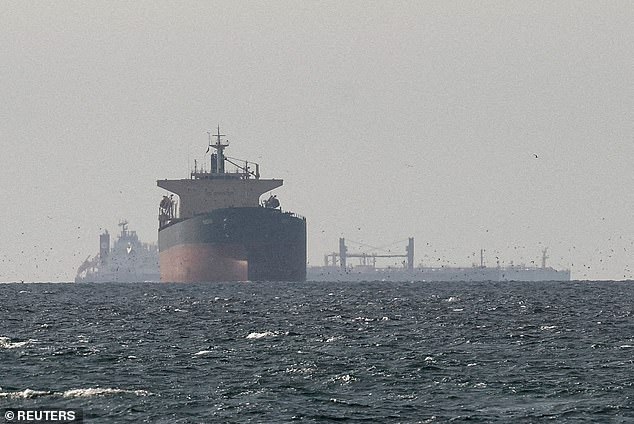
The Strait of Hormuz is a critical global energy chokepoint, with approximately one-fifth of the world’s energy supplies transiting through its narrow waters daily. Its strategic significance makes any disruption there a matter of international concern, impacting global energy markets and trade flows.
This incident follows a series of reported Israeli actions against Iranian officials and assets. In recent weeks, Israel has announced the elimination of several high-ranking Iranian figures, and has also conducted strikes targeting Iran’s naval capabilities. Last week, Israeli airstrikes reportedly hit several Iranian naval vessels in the Caspian Sea, including missile-equipped ships, support craft, and patrol boats.
Impact on Global Trade and Energy Markets
Since the commencement of intensified hostilities, Iran has taken measures to restrict access through the Strait of Hormuz. Reports indicate that shipping has been subjected to blockades, diversions, or forced to seek clearance, particularly for vessels with connections to the United States and its allies.
This ongoing disruption has had a severe impact on global energy and trade. Brent crude oil prices have surged to their highest levels in nearly four years, at one point nearing $120 per barrel. This economic fallout highlights the interconnectedness of regional security and the global economy.
Diplomatic Maneuvers and Iranian Demands
Amidst the escalating military actions, diplomatic efforts are also underway, albeit with significant complexities. Reports suggest that Iran has responded to a 15-point peace plan, reportedly proposed by the US, with its own list of demands.
The US plan, which is said to be modeled on a previous deal concerning Gaza, aims to de-escalate the crisis in the Middle East. The White House appears eager to find a resolution to the conflict, particularly as it grapples with its economic consequences.
However, the path to an agreement is fraught with challenges. The extent to which the US proposal has been disseminated and considered within the Iranian leadership remains unclear. The Iranian regime has publicly denied that a peace process is underway, pushing back against claims that Tehran is eager for a deal.
Iran’s High-Bar for Ceasefire and Re-engagement
Despite public posturing, Iran has reportedly communicated to the Trump administration its stringent conditions for re-entering a ceasefire agreement. These demands are substantial and include several key points:
- Closure of US Military Bases: Iran is calling for the complete withdrawal of all American military bases from the Middle East.
- Reparations for Damages: The regime seeks compensation for damages incurred by the country.
- New Strait of Hormuz Protocol: A significant demand involves the establishment of a new regulatory framework for the Strait of Hormuz. This would grant Tehran the authority to collect transit fees from ships passing through the Persian Gulf channel, similar to Egypt’s management of the Suez Canal.
- Guarantees Against Conflict Restart: Iran requires assurances that the conflict will not resume.
- Cessation of Israeli Attacks: The regime demands an end to Israeli military actions targeting Hezbollah, the Lebanese militia supported by Iran.
- Sanctions Relief: A complete lifting of all sanctions imposed on Iran is a prerequisite.
- Retention of Missile Program: Iran insists on retaining its ballistic missile program without any limitations or negotiations.
US officials have reportedly described these demands as “ridiculous and unrealistic,” suggesting that they will significantly complicate any resolution efforts.
US Peace Plan and Iran’s Nuclear Program
The US peace plan, as reported, outlines several critical points for Iran to address:
- Decommissioning and Destruction of Nuclear Facilities: Key nuclear sites, including those at Natanz, Isfahan, and Fordow, would need to be taken out of use and destroyed.
- IAEA Transparency and Oversight: Iran would be required to allow transparency and oversight by the International Atomic Energy Agency (IAEA) regarding its nuclear activities.
- Abandonment of Proxies and Regional Funding: The regime would have to cease its use of armed proxies in the region and stop funding and arming its regional allies.
- Dismantling Existing Nuclear Capabilities: Iran would need to dismantle its current nuclear infrastructure.
- Commitment to Non-Nuclear Status: A pledge to never pursue nuclear weapons in the future would be mandatory.
- Transfer of Enriched Material: All enriched nuclear material would need to be handed over to the IAEA.
- No On-Soil Enrichment: Iran would be prohibited from enriching any nuclear material within its territory.
- Open Strait of Hormuz: The plan stipulates that the Strait of Hormuz must remain open and function as a “free maritime zone.”
The stark contrast between the US proposal and Iran’s demands underscores the deep chasm in their positions, making a diplomatic breakthrough a challenging prospect. The ongoing military engagements and the strategic importance of maritime routes like the Strait of Hormuz continue to shape the volatile geopolitical landscape of the region.