Stranded Moroccans in Gaza Urge for Evacuation Amid Worsening Humanitarian Crisis
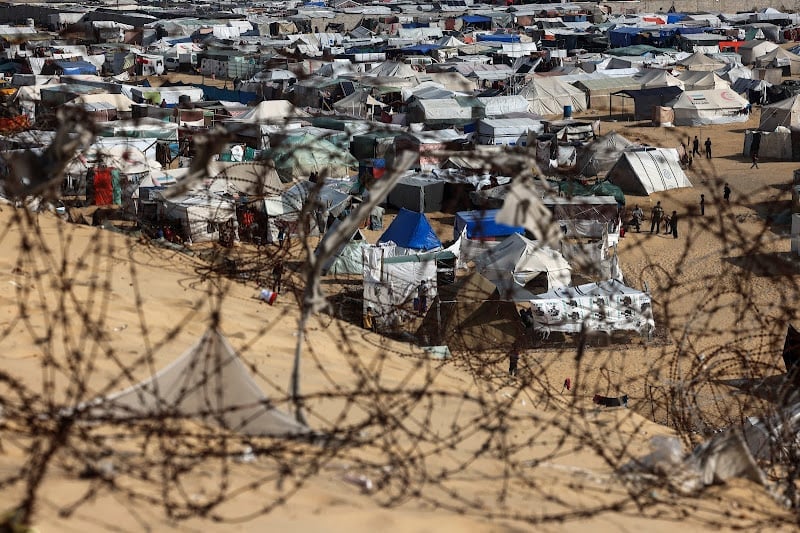
Moroccan citizens and their Palestinian spouses remain trapped in the Gaza Strip, amplifying urgent pleas for evacuation as the humanitarian situation deteriorates under the prolonged Israeli military operations. The renewed calls for assistance highlight the ongoing plight of individuals caught in the conflict zone, with particular concern for families separated by the ongoing crisis.
The uncertainty surrounding the Rafah crossing, a vital artery connecting Gaza to the outside world, continues to exacerbate the difficulties faced by those seeking to leave. This key crossing, which experienced a brief partial reopening on February 2 following a ceasefire agreement between Hamas and Israel, was subsequently closed by Israeli authorities on February 28. Since then, its operation has been intermittent, creating significant obstacles for any potential evacuation efforts.
Moroccan nationals who are still in Gaza report that a substantial number of individuals are awaiting evacuation. This group includes Palestinians who are married to Moroccan women, many of whom were successfully evacuated in earlier operations coordinated by the Moroccan government in Rabat.
The stranded Moroccans are now earnestly appealing to the authorities to ensure that these spouses are included in any future evacuation initiatives. They have voiced grave concerns about the profound psychological, social, and economic ramifications of prolonged family separation, emphasizing the distress and hardship it imposes on all involved.
Attempts to solicit official comment from Morocco’s embassy in Palestine proved unsuccessful, with no responses received from their representatives regarding the current situation.
Morocco has, in fact, undertaken several evacuation operations since the commencement of the conflict, successfully bringing dozens of its citizens out of Gaza in successive phases. Nevertheless, those still remaining in the besieged territory assert that a significant number are in dire need of immediate assistance. The conditions within Gaza are reported to be continuously worsening, amplifying the urgency of their situation.
The Humanitarian Challenge
The ongoing military operations in Gaza have created a dire humanitarian crisis, characterized by widespread destruction, displacement, and a severe shortage of essential resources. For those who remain, including Moroccan nationals and their families, the daily struggle for survival is compounded by the constant threat of violence and the pervasive uncertainty about their future.
The lack of consistent access to humanitarian aid, coupled with the limited capacity of local infrastructure, has led to a significant decline in living conditions. Access to clean water, food, and medical supplies is severely restricted, placing an immense burden on the civilian population. The psychological toll of living under such conditions, particularly for families separated by evacuation efforts, is immense. Children and vulnerable individuals are especially susceptible to the long-term effects of trauma and instability.
Family Reunification and the Plea for Inclusion
The specific plea from stranded Moroccans to include their Palestinian spouses in evacuation plans underscores a critical humanitarian concern: the preservation of family unity. For individuals who have established lives and families, the prospect of permanent separation is a source of deep anguish. Moroccan citizens married to Gazan Palestinians express fears that without intervention, their families may be permanently fractured, leaving behind a legacy of loss and unresolved hardship.
The Moroccan government has a history of facilitating the safe passage of its citizens from crisis zones. The current situation in Gaza presents a complex challenge, but the appeals from those on the ground suggest a continued need for robust diplomatic engagement and practical support to address the plight of stranded families. The hope is that future evacuation efforts will be comprehensive, ensuring that no family is left behind due to bureaucratic complexities or logistical limitations. The international community also watches with concern, hoping for a swift resolution that prioritizes the safety and well-being of all civilians.