A New Threat on the High Seas
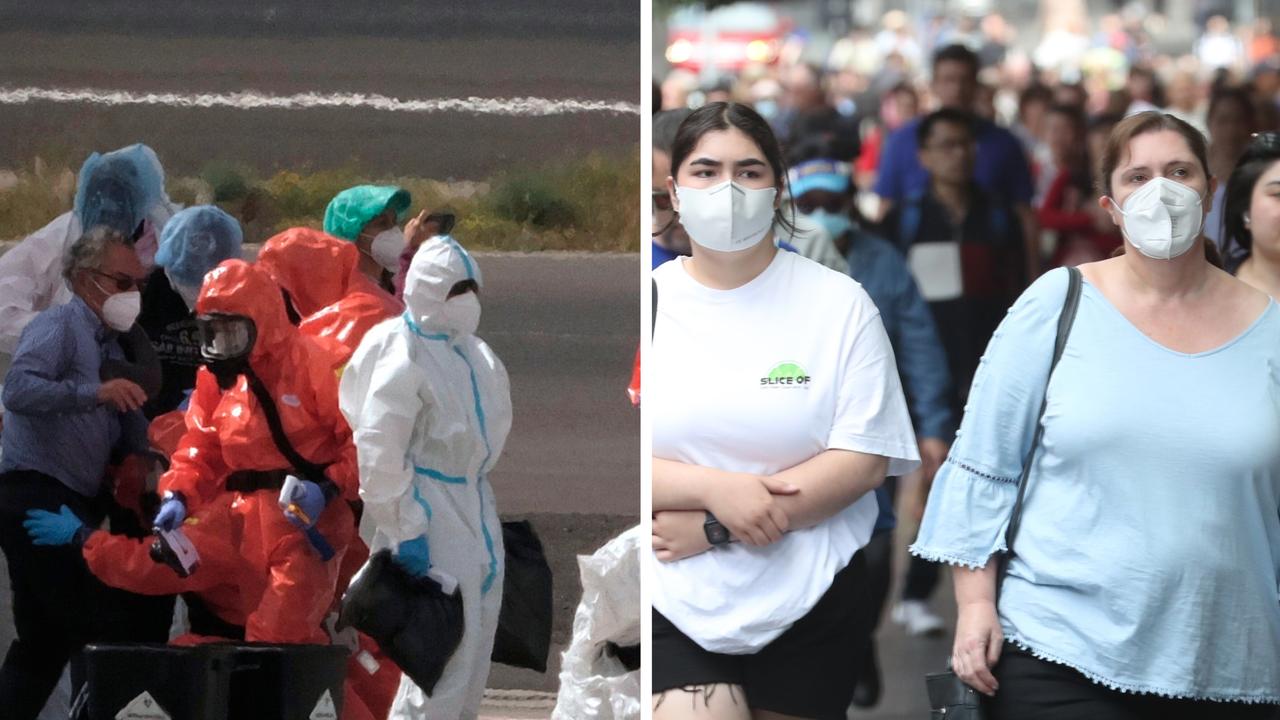
When news of a deadly outbreak of hantavirus on board a cruise ship spread, it sent shockwaves around the world. The incident occurred aboard the MV Hondius, which set sail from Argentina in April, and quickly became a focal point for global concern.
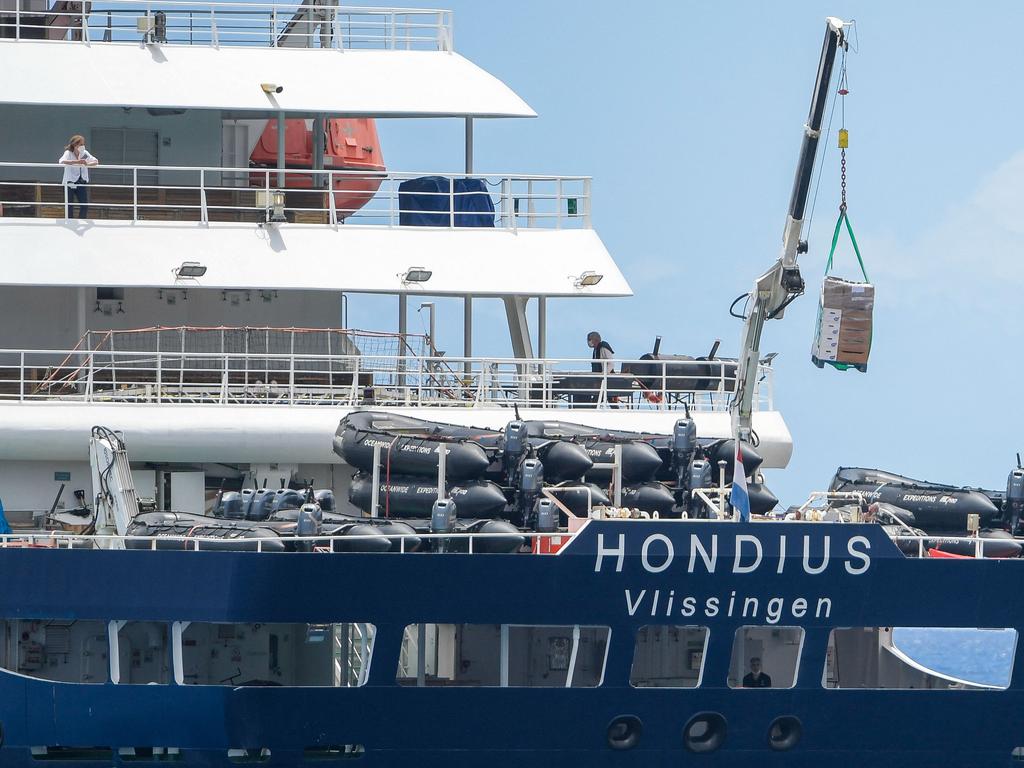
Of the 146 passengers and crew on board the MV Hondius, 11 were linked to the hantavirus outbreak, resulting in three deaths and a fourth person in intensive care. Despite the severity of the situation, the threat of another global public health emergency was contained to a limited number of cruise passengers.
Five Australian citizens, one permanent resident, and one New Zealand citizen were repatriated from the virus-stricken ship after it finally docked in Tenerife, in the Canary Islands. They were brought back on a federal government-chartered flight that landed in Perth on Friday. None of them displayed symptoms, but all will be required to quarantine and be closely monitored by health authorities at a dedicated facility in Bullsbrook, 43km north of Perth, for a minimum of three weeks.
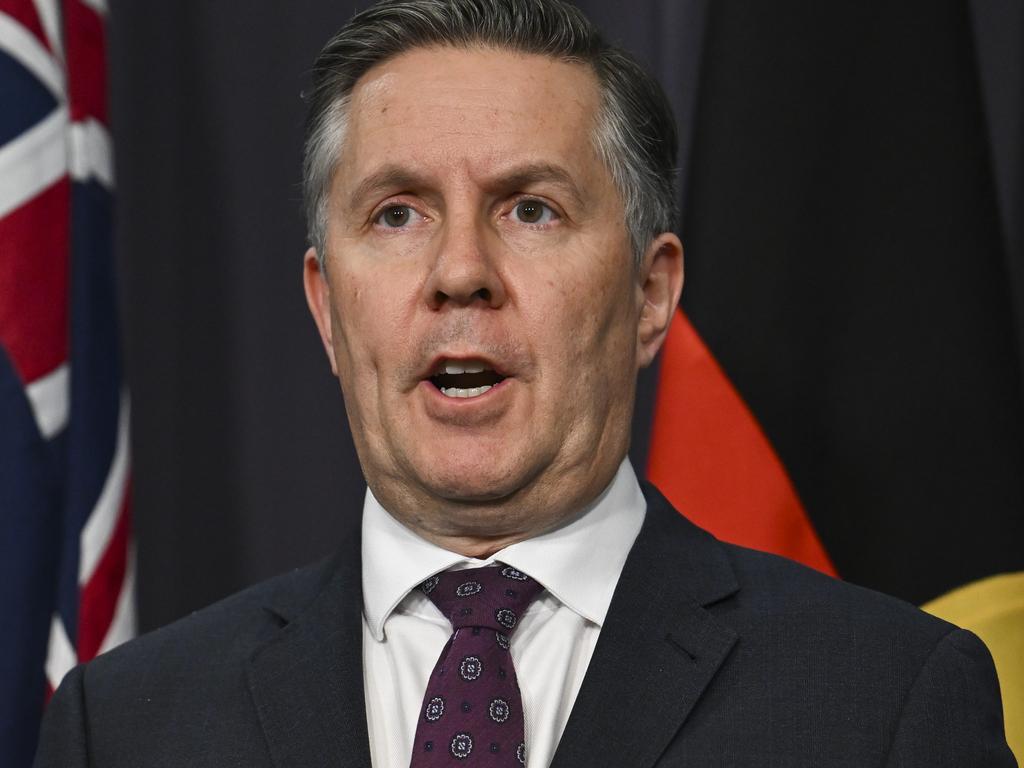
Health Minister Mark Butler stated, “They’re going to be put into the strongest quarantine arrangements you’ll find anywhere in the world.”
Lessons from the Pandemic
Suman Majumdar, an Associate Professor and Chief Health Officer of Covid and Health Emergencies at the Burnet Institute in Melbourne, noted that the pandemic’s legacy has led to a greater public awareness of the importance of responding to and containing infectious disease outbreaks quickly.
“I think people generally understand the devastation that Covid caused, and that we want to prevent that from happening (in the future),” Associate Professor Majumdar told . “Swift action containing an outbreak is the best way to do that. That’s been the recommendation from every independent agency.”
For Australians watching the events unfold, the MV Hondius outbreak would have brought back memories of the ill-fated journey aboard the Ruby Princess cruise ship, which was the subject of a large Covid outbreak at the start of the pandemic. The ship docked at the Overseas Passenger Terminal at Sydney’s Circular Quay with about 2700 passengers and crew on board, some of whom had cold and influenza-like symptoms.
Despite compulsory 14-day self-isolation requirements being in place for all international arrivals, those on board the Ruby Princess were allowed to disembark unchecked. In the weeks that followed, more than 663 passengers and crew tested positive for COVID-19, with 28 passengers losing their lives.
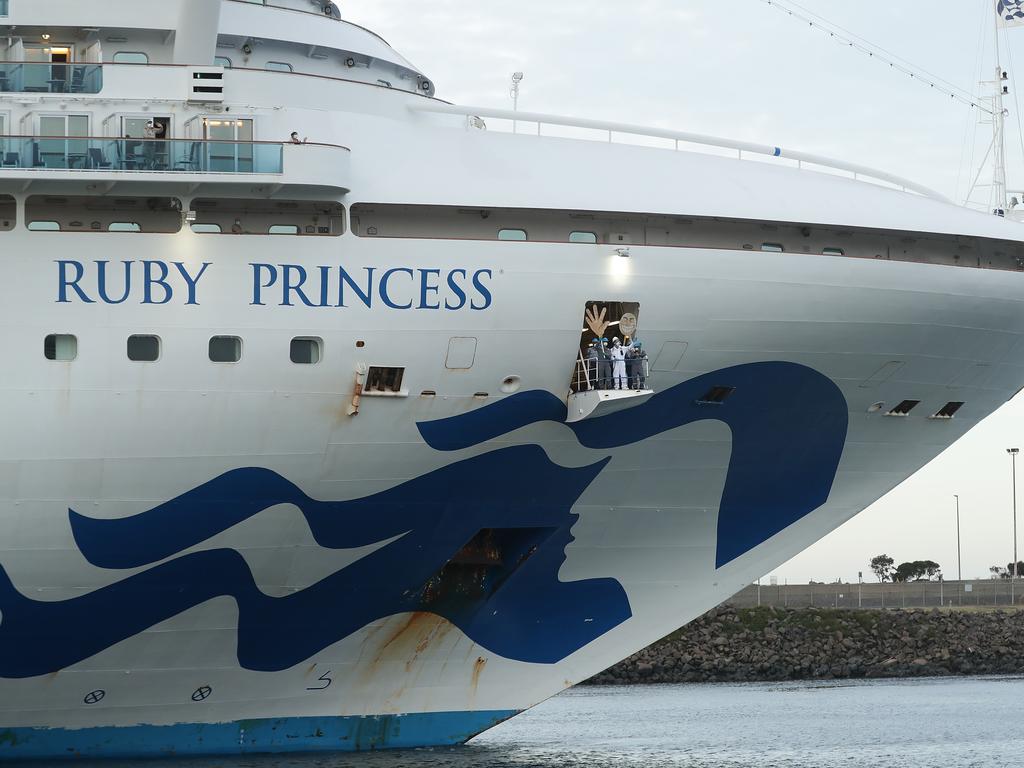
Following a lengthy civil case, the Federal Court in 2023 found cruise operator Carnival Australia, which chartered the vessel, was negligent and misleading in its representations of the risks of contracting coronavirus while on board.
While the risk of widespread hantavirus transmission is significantly lower than that of Covid, Professor Majumdar said the “swift and transparent action” from authorities to quarantine the affected Australians and provide clear messaging had a noticeable impact on how the outbreak was perceived by the Australian public.
“A good lesson from Covid is that communication needs to be very transparent and stating what’s known and what’s unknown, rather than being absolute (about everything),” he said. “We don’t know the full implications of (how hantavirus has spread) so in Australia we’ve responded with quite rigorous protocols involving the isolation and quarantine of those contacts, which is very appropriate and a significant step forward.”
Understanding the Virus
Authorities believe one of the patients was infected before boarding the ship in Argentina, where the Andes strain of the virus is endemic. The virus, which is spread through the urine, saliva and droppings of rats and mice, can incubate for up to 40 days before symptoms appear.
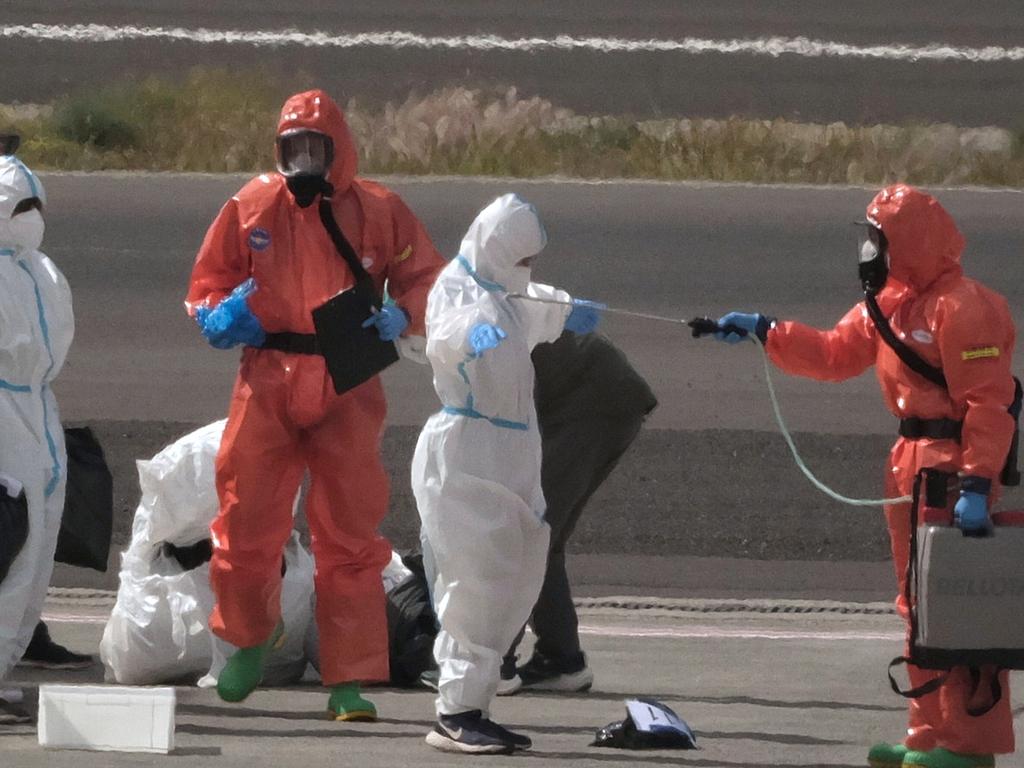
University of the Sunshine Coast Associate Professor Erin Price highlighted that while there is a “heightened risk” of localised Andes virus outbreaks around the world in the coming weeks and months, Australia has an advantage. “As we learned during Covid, Australia’s geographically isolated location means we are currently at very low risk of hantavirus outbreaks in our community,” Asst Prof Price said. “We do not have the rodent species that would lead to Andes virus becoming endemic in Australia, so our only risk is through imported cases from travellers.”
Preparing for the Future
University of NSW school of population health lecturer Dr MD Saiful Islam emphasized the need for a “One Health” – or unified – approach to epidemiological emergencies. “The rapid identification of the outbreak, confirmation of the virus, and implementation of infection prevention measures are all important steps that likely reduce the chance of further transmission,” Dr Islam said. “However, precautionary measures should continue throughout the incubation period, including isolation, monitoring for symptoms, and careful infection control practices among caregivers.”
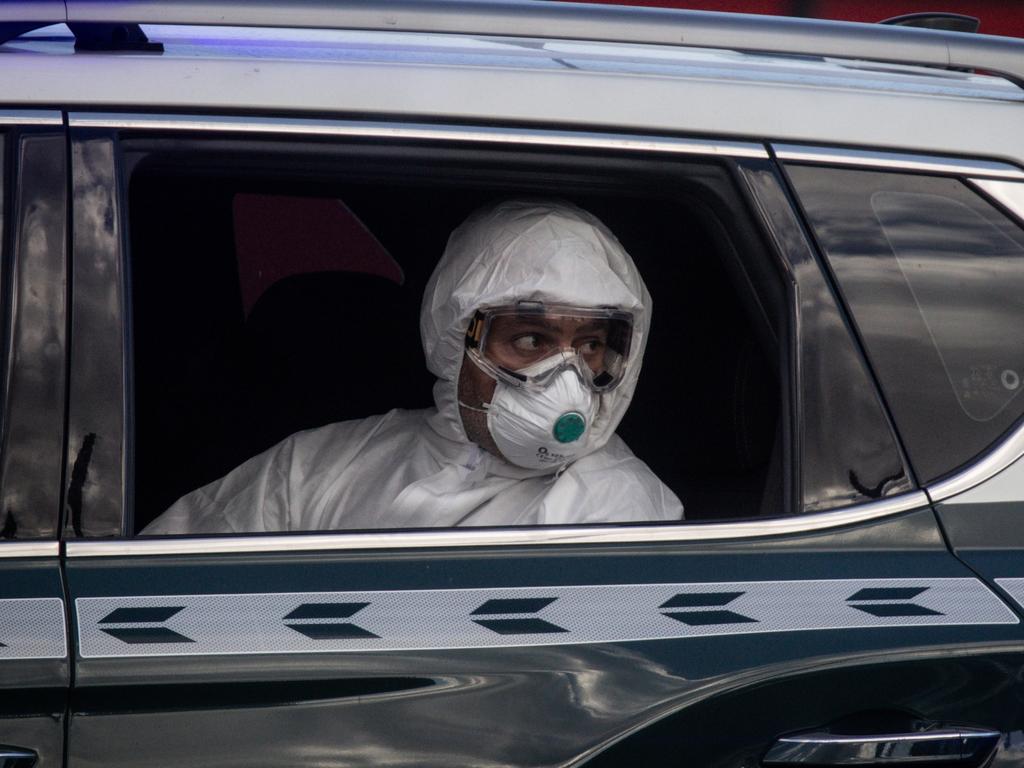
“As this virus strain is not present in Australia, preventing environmental contamination and ensuring appropriate biosecurity management of waste generated from potentially exposed individuals are also important components of the public health response.”
Professor Majumdar stressed that governments should continue to respond quickly to public health emergencies while also thinking ahead to future responses.
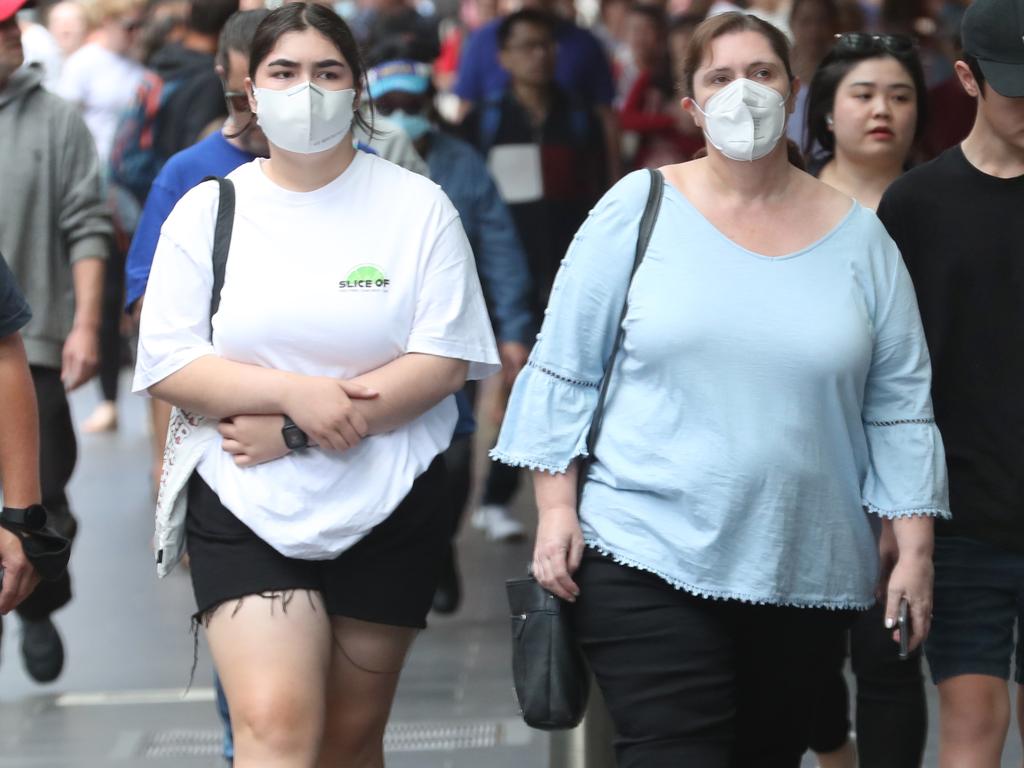
“We need some innovative thinking around pandemic preparedness,” he said. “The broader lesson is not that the public should be alarmed, but that preparedness is an ongoing responsibility. We need to keep investing in the systems, people and partnerships that allow us to respond well before a threat escalates.”
“It’s likely that the next big threat like that will be spread through the air, and one of the main areas that isn’t advancing fast enough is airborne preparedness, which would be interventions that can prevent transmission through the air in public places and settings. When the big health emergencies hit, people are generally primed to do something, but we need to ensure … that governments work together to build overarching trust (in the community).”