US Ambassador Ceases Diplomatic Ties with Polish Sejm Speaker Over Trump Remarks
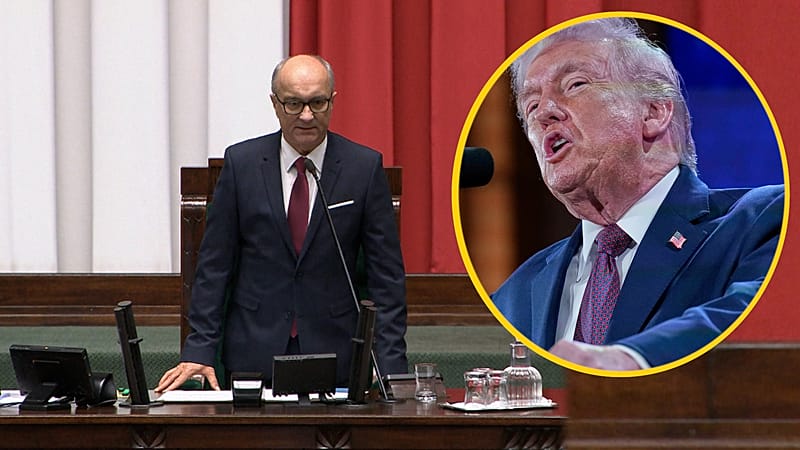
The United States Ambassador to Poland, Tom Rose, has taken an extraordinary step by immediately severing diplomatic contact with the Speaker of the Polish Sejm, Wlodzimierz Czarzasty. Ambassador Rose announced, “As of today, we will no longer maintain contact or communicate with Marshal Czarzasty of the Sejm.” This unprecedented move signals a significant strain in the usually robust relationship between the two allied nations.
While Ambassador Rose did not detail the specific alleged insults, the decision follows a public statement by Mr. Czarzasty on Monday. In his statement, the Sejm Speaker declared his opposition to an initiative by his Israeli and American counterparts to nominate US President Donald Trump for the Nobel Peace Prize. Mr. Czarzasty is a prominent figure within the New Left party, a component of the liberal government led by Prime Minister Donald Tusk.
“Serious Obstacle” to Bilateral Partnership
The US diplomat’s statement, disseminated via social media, explicitly labels the relationship with the New Left leader as a “serious obstacle” to the partnership between Washington and the Tusk administration. Ambassador Rose clarified that this decision is effective immediately and encompasses both official meetings and all forms of communication. The Ambassador expressed that Mr. Czarzasty’s remarks concerning President Trump, which he characterized as “outrageous and unwarranted insults,” transgress the expected standards of respect from senior representatives of allied nations. The official communiqué further underscored the imperative of respecting the US head of state and upholding diplomatic principles, deemed vital for the stability of bilateral relations.
Czarzasty’s Stance on Nobel Peace Prize for Trump
The diplomatic rupture was triggered by the Polish Sejm Speaker’s unequivocal rejection of the Nobel Peace Prize nomination for President Trump. This occurred despite a published appeal from representatives of both the US Congress and the Israeli Knesset advocating for the nomination.
Mr. Czarzasty articulated his reasoning, asserting that President Trump’s political actions, in his assessment, do not foster peace and, in fact, undermine established international legal norms. He stated plainly on Monday, “Trump does not deserve the Nobel Peace Prize.” He elaborated that Trump “represents power politics and, by the use of force, pursues transactional politics,” which often involves “breaking international law.”
Further criticisms were leveled against President Trump for what Mr. Czarzasty perceived as insufficient recognition of the contributions of Polish soldiers in US military missions. He also cited the “instrumental treatment of other territories,” using Greenland as an example. Regarding President Trump’s approach to global diplomacy, Mr. Czarzasty expressed skepticism, stating, “The construction of new platforms by the United States, such as the Peace Council, is in my opinion illusory. We need to strengthen the European Union, NATO, the UN, WHO and ourselves.”
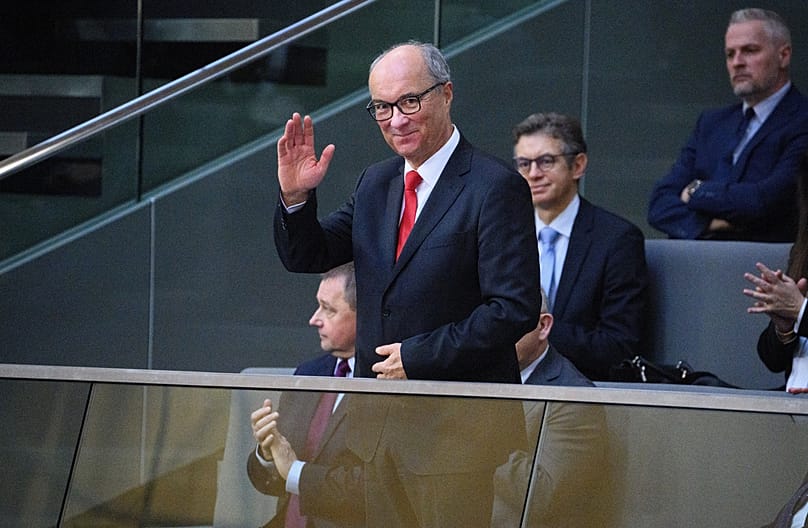
Despite the ensuing diplomatic fallout, Mr. Czarzasty reiterated his position on Thursday evening. He emphasized that while he holds deep respect for the United States as a crucial ally of Poland, his stance on the Nobel Prize nomination would not change. He maintained that his decisions are informed by an independent evaluation of international affairs and not by any intention to exacerbate Polish-US conflicts.
Prime Minister Tusk’s Response and Ambassador Rose’s Rebuttal
Prime Minister Donald Tusk was swift to react to Ambassador Rose’s announcement. He posted on X (formerly Twitter) on Thursday afternoon, “Mr Ambassador Rose, allies should respect, not lecture, each other.”
Ambassador Rose, however, remained firm in his position. He responded to Prime Minister Tusk, acknowledging that the Polish Prime Minister himself is “a model ally and great friend of the United States.” Nevertheless, Rose contended that Mr. Czarzasty’s comments were “potentially damaging to your government.” The Ambassador further cautioned that insulting Trump, whom he referred to as “the greatest friend Poland has ever had in the White House,” was “the last thing” a Polish leader should do.
Potential Ramifications for Polish-US Relations
Diplomacy experts have highlighted the rarity of such a decisive action by a US embassy within the framework of allied relations, particularly given the long-standing partnership between Warsaw and Washington. This relationship, underpinned by significant military cooperation and strategic security dialogue, could face considerable pressure if negative rhetoric becomes a dominant feature within key state institutions.
The trajectory of this dispute now hinges on whether the Polish side opts for de-escalation or if the crisis escalates further into the parliamentary arena. Critics have pointed out that such conflicts underscore the fundamental importance of maintaining open channels for dialogue, even amidst political divergences between key allied nations.
Navigating Geopolitical Complexities
Since President Trump’s ascent to power, Poland has found itself in a delicate balancing act. The nation has strived to uphold its commitments to its European allies while simultaneously avoiding alienating its most powerful partner, the United States, whose support is considered crucial for peace efforts in neighboring Ukraine.
Historically, Warsaw has managed this complex dynamic by assigning Prime Minister Tusk to handle matters concerning the European Union, while President Karol Nawrocki, who garnered support from the national-conservative Law and Justice (PiS) party, has served as the point of contact with President Trump.
President Nawrocki has maintained positive relations with President Trump. The US President had endorsed Nawrocki during the previous year’s presidential campaign and extended an invitation to the White House shortly after Nawrocki assumed office. During a meeting at the White House in September, President Trump affirmed his intention to maintain US troop presence in Poland, signaling strong support for the new Polish president and his policy objectives. He even indicated a willingness to increase troop numbers if requested.
Earlier this week, President Nawrocki convened a national security meeting to discuss various issues, including Poland’s potential participation in Trump’s “Board of Peace” initiative. The meeting also aimed to address allegations concerning Mr. Czarzasty’s “eastern business and social contacts,” which the Sejm Speaker has vehemently denied, refuting any improper relationships with entities in Russia or Belarus. The Law and Justice party (PiS), the primary opposition party which backed President Nawrocki’s presidential bid, is reportedly positioning itself to regain power in the upcoming parliamentary elections.