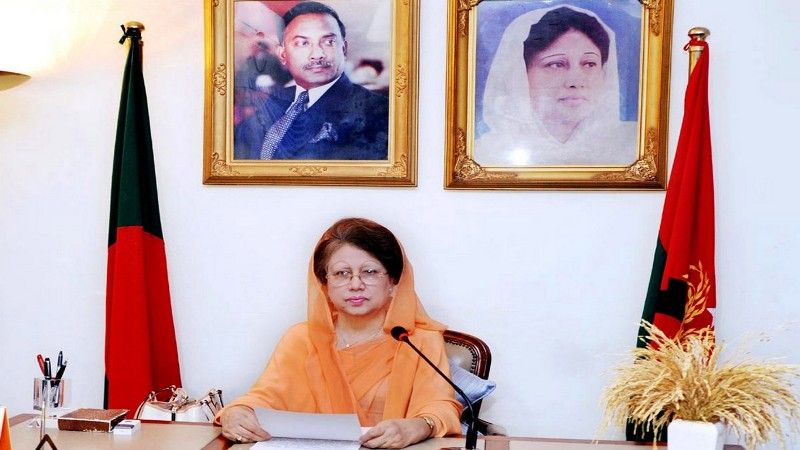
A Moment of Remembrance: Leaders Pay Homage at Zia Family Mausoleum
On Thursday, a significant act of remembrance took place as Deputy Speaker Kaisar Kamal and Chief Whip Nurul Islam visited the graves of former President Ziaur Rahman and former Prime Minister Khaleda Zia. The visit, marked by solemnity and respect, saw the two prominent figures pay their respects at the mausoleum, underscoring a moment of national reflection.
The ceremony began with the dignified placement of wreaths upon the graves. This gesture, a universal symbol of honour and remembrance, was followed by a period of quiet contemplation. Deputy Speaker Kamal and Chief Whip Islam stood in silent tribute, reflecting on the legacies of the former leaders. The hushed atmosphere at the site served as a powerful testament to the respect accorded to the departed souls.
Following the wreath-laying, special prayers were offered. These prayers were specifically intended to invoke blessings for the eternal peace of Ziaur Rahman and Khaleda Zia. This spiritual aspect of the observance highlighted the cultural and religious significance placed on honouring national figures, even after their passing. The atmosphere was one of deep reverence, as participants sought divine peace for the former President and Prime Minister.
The occasion was further graced by the presence of several key officials from the Jatiya Sangsad Secretariat. Their attendance signified the importance of the event, not just as a personal tribute, but as an official acknowledgement of the contributions made by Ziaur Rahman and Khaleda Zia to the nation’s history. Among those present were senior officers of the Secretariat, whose participation lent an air of formality and national significance to the proceedings. The Sergeant-at-Arms, a figure of authority and protocol within the Parliament, was also present, further reinforcing the official nature of the tribute.
This act of paying homage serves as a poignant reminder of the cyclical nature of leadership and the enduring impact of past figures on the present political landscape. It also highlights the traditions of respect and remembrance that are woven into the fabric of national life. The visit by Deputy Speaker Kamal and Chief Whip Islam to the mausoleum of Ziaur Rahman and Khaleda Zia was more than just a ceremonial duty; it was an expression of continuity and acknowledgement within the political sphere. Such moments often invite broader public discourse on the past, present, and future directions of the nation, prompting reflection on the journey undertaken and the leaders who have shaped it.
The solemnity of the occasion was palpable, with the gathered officials and dignitaries standing united in their shared purpose of honouring two significant figures in the country’s political history. The Jatiya Sangsad Secretariat, as the administrative arm of the Parliament, plays a crucial role in facilitating such important national observances. The presence of its senior members, alongside the Sergeant-at-Arms, ensured that the tribute was conducted with the utmost dignity and adherence to protocol.
The act of visiting graves and offering prayers is deeply embedded in many cultural traditions, signifying a respect for elders and those who have served the nation. For Ziaur Rahman, a former President and a key figure in the nation’s founding, and Khaleda Zia, a two-term Prime Minister, their resting place has become a site of pilgrimage for many who remember their tenures. The visit by the Deputy Speaker and Chief Whip, therefore, resonates beyond the immediate ceremonial aspect, touching upon themes of national heritage, political continuity, and the enduring memory of leadership. The quiet dignity of the proceedings underscored the profound respect held for these former leaders, whose influence continues to be felt in the nation’s ongoing narrative.