Ghana Grapples with Undetected Tuberculosis Amidst Treatment Success
Accra, Ghana – Despite significant strides in treating Tuberculosis (TB), Ghana faces a critical challenge: over half of the estimated TB cases in the country remain undiagnosed. This alarming statistic underscores a persistent gap in detection that hinders the nation’s progress towards TB elimination and fuels ongoing transmission within communities.
The National TB Control Programme of the Ghana Health Service revealed that the country currently detects only approximately 49.1 per cent of its estimated 44,000 annual TB cases. This leaves a substantial portion of infected individuals unaware of their condition, allowing the disease to spread unchecked.
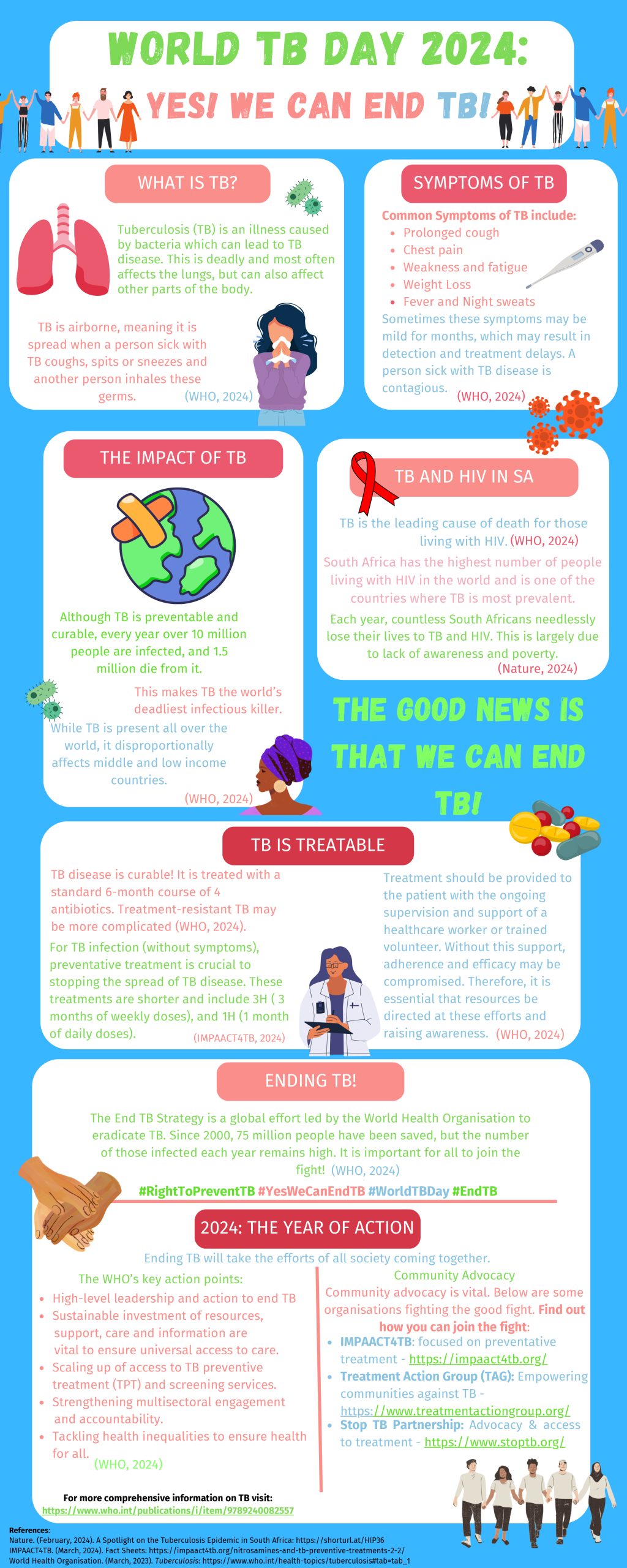
“This means more than 50 per cent of TB cases are undiagnosed and untreated, and that undermines the gains we have made,” stated Dr. Bernard Ziem, the Acting Programme Manager, during the official launch of the 2026 World TB Day commemoration in Accra. The theme for this year’s observance, “Yes! We Can End TB! Led by Countries. Powered by People,” highlights the collective effort required to combat the disease.
While Ghana’s TB programme boasts a strong record in successfully treating patients once identified, placing it among countries with high treatment success rates, a recent assessment paints a concerning picture. The Global Tuberculosis Report 2024 classifies Ghana as a “low case detection, high treatment success country.” Experts warn that this combination is unsustainable in the long term.
Barriers to Case Detection
Dr. Ziem elaborated on the challenges contributing to Ghana’s low detection rates. He noted that while other nations are making significant advancements in both identifying new cases and improving treatment outcomes, Ghana has only achieved marginal progress in case finding. Key obstacles identified include:
- Limited Diagnostic Tools: The country’s TB testing capacity operates below optimal levels. There is a documented shortfall of 32 GeneXpert machines, crucial for rapid and accurate diagnosis. While recent investments have introduced an additional 15 machines, increasing coverage from 87 to 92 per cent, this still falls short of the desired target.
- Scarcity of Mobile Screening Units: Mobile digital X-ray units, which are vital for conducting screenings in communities, are in short supply. With only 31 units serving 261 districts, these units cover a mere eight per cent of national needs. This scarcity limits the ability to reach populations at higher risk of TB.
- Uneven Resource Distribution: The equitable distribution of resources across the country remains a challenge, impacting the accessibility of diagnostic services in all regions.
The Imperative for Community Engagement
Dr. Ziem emphasized the critical need to expand community-level screening. Evidence suggests that proactively taking TB services to high-risk communities yields a significantly higher number of detected cases compared to relying solely on facility-based diagnoses. This approach is essential for identifying the “missing cases.”
Strengthening Partnerships
The call for enhanced collaboration extends to the private sector and community-based organisations. Dr. Ziem highlighted the significant contributions of volunteers from the Stop TB Partnership and the TB Voice Network, who are responsible for nearly 10 per cent of detected TB cases.
However, he pointed out that the private health sector, which manages approximately 40 per cent of outpatient care in Ghana, remains underutilised in TB detection efforts. Greater integration and support for private healthcare providers in TB screening and diagnosis are crucial.
A Call for Increased Investment and Collaboration
To bridge the detection gap and move towards global elimination targets, Dr. Ziem urged for increased government investment, expanded screening initiatives, and deeper collaboration between public and private sectors. “With the right resources and collective effort, Ghana can move into the high detection, high success category and end TB,” he asserted.
Ghana has set an ambitious goal of meeting global TB elimination targets by 2030. However, achieving this objective hinges on effectively identifying and treating the substantial number of “missing cases.”
International Support and National Strategy
The World Health Organisation (WHO) and its partners have pledged continued support to Ghana’s efforts to eliminate TB. Dr. Fiona Braka, the WHO Country Representative, urged the Ghanaian government to increase domestic investment and expedite the implementation of the newly developed joint TB/HIV National Strategic Plan (2026–2030). This plan aligns with commitments made at the UN High-Level Meeting on TB.
Dr. Braka also appealed to partners and donors to help address the critical funding gap and support country-led priorities. She encouraged communities and civil society organisations to maintain their efforts in reaching vulnerable populations and ensuring accountability in TB control.
Tangible Support for Enhanced Diagnostics
In a significant step towards bolstering diagnostic capabilities, the Deputy Minister of Health, Professor Grace Ayensu-Danquah, officially handed over 10 digital X-ray machines and 15 GeneXpert machines to the Ghana Health Service. These new resources are expected to significantly enhance testing capacity and facilitate earlier detection of TB across the nation.
World Tuberculosis Day, observed annually on March 24, serves as a crucial reminder of the ongoing global TB epidemic and the collective actions required to eradicate the disease.