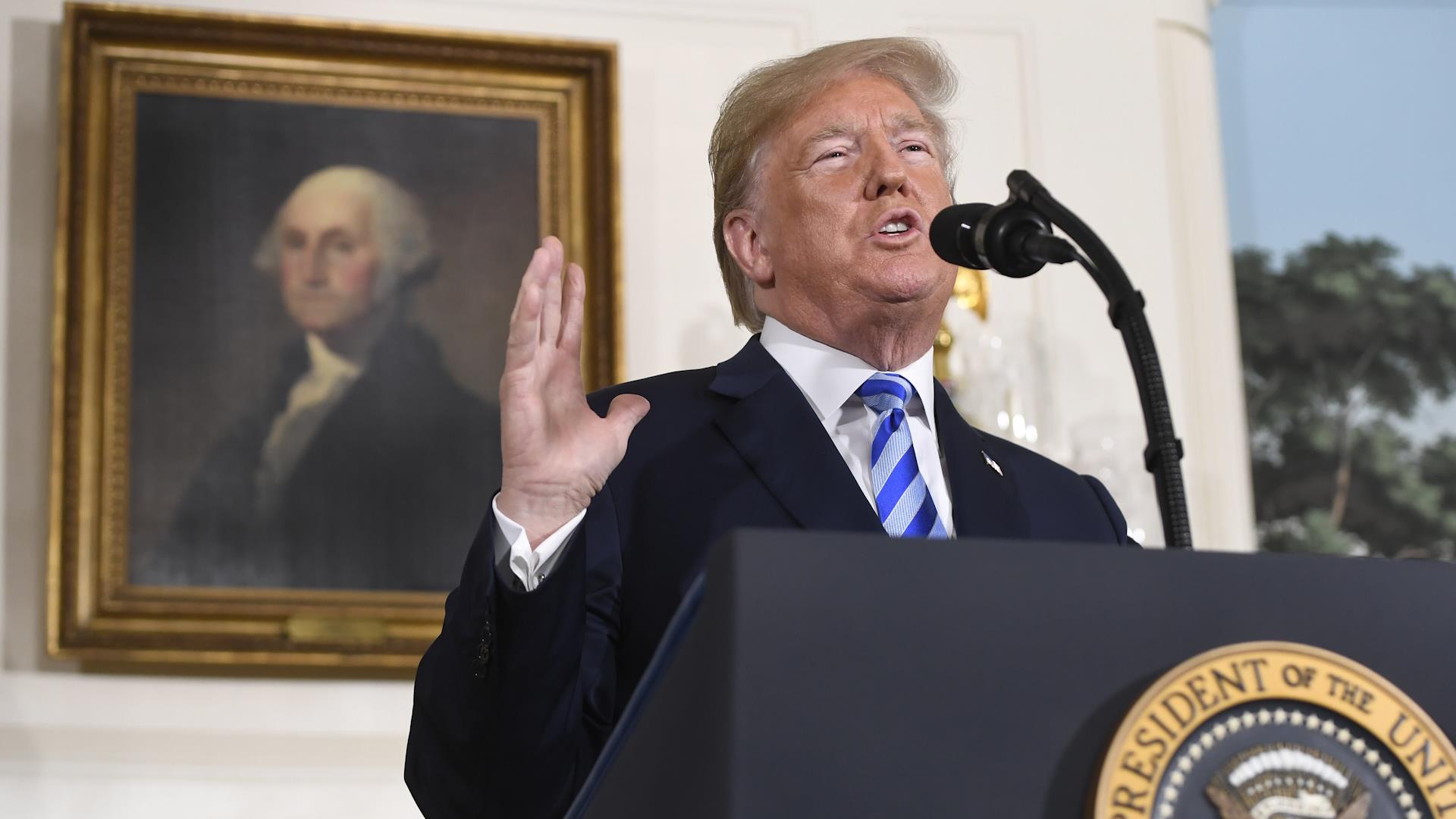
President Trump Seeks Swift Resolution to Iran Conflict, Aims for De-escalation
In recent days, United States President Donald Trump has conveyed to his close associates a strong desire to avoid an extended military engagement in Iran. He has expressed hopes that the current conflict can be brought to a conclusion within the coming weeks, according to reports from individuals familiar with the matter. This sentiment suggests a strategic inclination towards a swift resolution rather than a protracted war.
Approximately one month into the military operations, the President has privately communicated to his advisors his belief that the conflict is nearing its final stages. Sources close to the situation indicate that President Trump has been urging his team to adhere to a specific timeline, publicly stated as a four-to-six-week duration for the engagement. This emphasis on a defined timeframe underscores the administration’s stated objective of achieving its goals efficiently and minimizing the duration of military involvement.
The strategic planning within the White House has reportedly been shaped by this objective of a timely conclusion to the Iran conflict. Officials had been making arrangements for a summit with Chinese leader Xi Jinping, scheduled for mid-May in Beijing. A key expectation underpinning these plans was that the military operations in Iran would be concluded prior to the commencement of this significant diplomatic meeting. This suggests an effort to present a stable and resolved international posture ahead of high-level discussions with a major global power.
The President’s stated desire for a rapid conclusion to the conflict in Iran is multifaceted. It likely stems from a combination of domestic political considerations, the economic implications of prolonged military action, and a broader foreign policy objective of avoiding entanglement in lengthy regional disputes. By aiming for a swift resolution, the administration may be seeking to demonstrate decisive leadership while simultaneously mitigating potential risks and costs associated with a drawn-out military campaign.
This approach also signals a potential shift in strategy, moving away from the possibility of a large-scale, long-term intervention towards a more targeted and time-limited operation. The emphasis on a pre-defined timeline suggests that specific objectives have been set, and once these are achieved, the military engagement is expected to cease. This approach, if successful, could allow the United States to achieve its immediate foreign policy goals without committing to a prolonged and potentially destabilizing presence in the region.
Furthermore, the coordination of diplomatic and military timelines, as evidenced by the planned summit with China, highlights a broader strategic vision. The administration appears to be attempting to manage multiple foreign policy fronts concurrently, with the resolution of the Iran conflict being a crucial precursor to other significant diplomatic engagements. This suggests a desire to project an image of control and successful conflict resolution on the global stage.
The internal discussions and directives from President Trump indicate a clear preference for a decisive yet contained military operation. The focus on bringing the conflict to an end in the near future underscores a strategic imperative to avoid the pitfalls of protracted warfare, which can often lead to unforeseen consequences, increased human and financial costs, and diminished public support.
The administration’s reported expectation that the conflict would be resolved before the mid-May summit with China is a significant indicator of their planning and desired outcomes. This timeline suggests that the military objectives are considered achievable within a relatively short period. The success of this approach will ultimately be judged by the extent to which these objectives are met and whether a stable post-conflict environment can be established without further escalation or unforeseen complications.
The President’s private communications to his advisors reveal a consistent message: a desire for expediency and a clear endpoint to the military operations in Iran. This internal guidance is crucial for aligning the actions of military leaders and diplomatic teams, ensuring that all efforts are directed towards achieving the stated goals within the designated timeframe. The emphasis on sticking to the outlined timeline serves as a directive to maintain focus and avoid mission creep.
This strategic approach also has implications for regional dynamics. A swift resolution, if achieved, could alter the geopolitical landscape and influence the relationships between various actors in the Middle East. The international community will be closely observing the developments and the ultimate outcome of this approach to conflict resolution.
The rationale behind seeking a swift end to the conflict is likely rooted in a comprehensive assessment of risks and benefits. Prolonged military engagements can strain resources, damage international alliances, and create opportunities for adversaries to exploit instability. By aiming for a contained operation, the administration may be attempting to mitigate these risks and achieve its objectives with minimal disruption.
The planning for the mid-May summit in Beijing further contextualizes President Trump’s desire for a rapid conclusion. This high-level meeting with China’s leader is a critical diplomatic event, and the administration likely wishes to approach it from a position of strength and stability, with a recently concluded military operation rather than an ongoing conflict. This would allow for a more focused discussion on broader bilateral and global issues without the immediate distraction of an active military engagement.
In essence, the reported directives from President Trump point towards a strategy of decisive action followed by a prompt withdrawal, aiming to achieve specific foreign policy objectives without the entanglements of a protracted war. The success of this strategy will depend on a multitude of factors, including the effectiveness of military operations, the diplomatic leverage available, and the evolving regional and international landscape.