Security Forces Open Fire on Tehran Homes Amidst Escalating Tensions
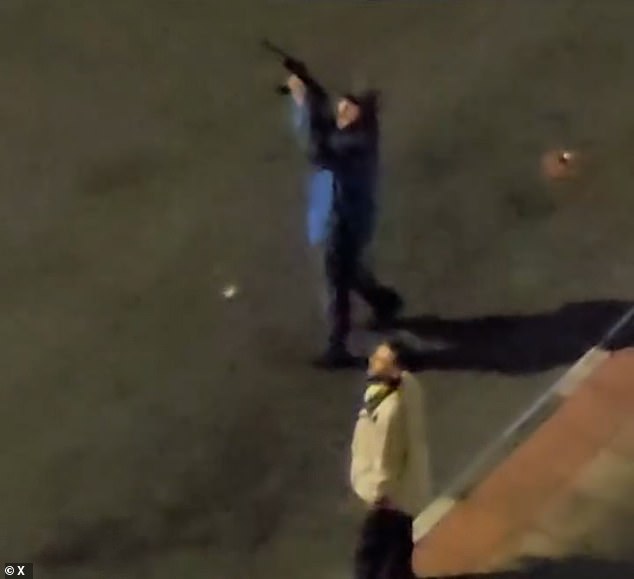
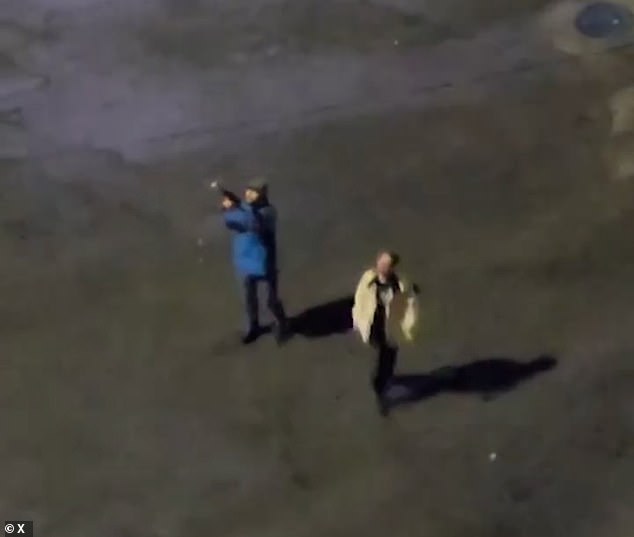
Iranian security forces have reportedly opened fire on apartment buildings in Tehran, following reports of residents chanting anti-regime slogans. Citizen journalism outlets have shared footage allegedly depicting masked officers aiming firearms at residential windows in the Chitgar neighborhood of the capital. The chants heard were reportedly an expression of dissent against the Islamic Revolutionary Guard Corps (IRGC), Iran’s powerful security apparatus.
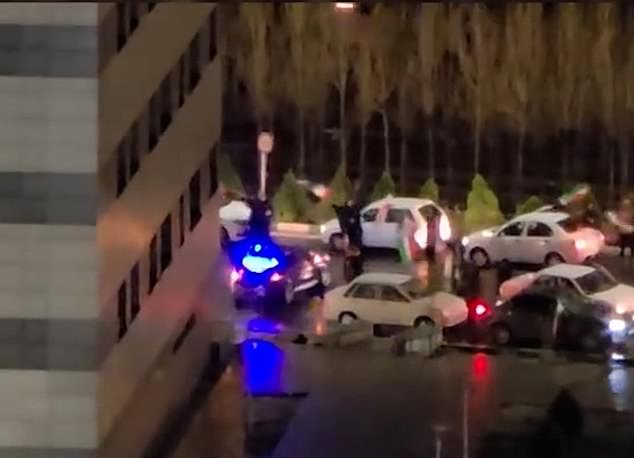
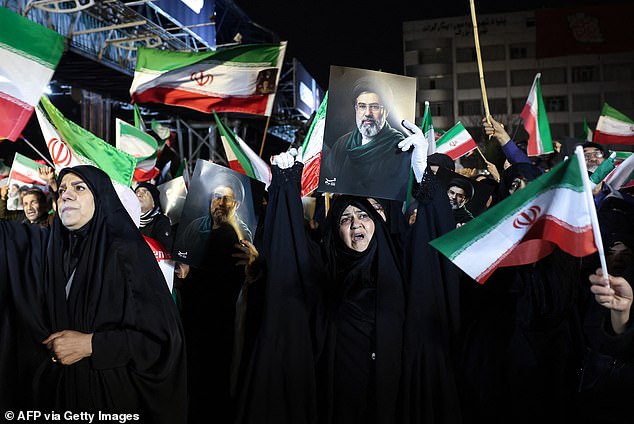
The incident is said to have occurred in response to a pro-government march, where supporters of the Islamic Republic were seen waving flags and parading through the streets. While the exact timing of the video footage remains unconfirmed, it is believed to have been captured in recent days, coinciding with a reported surge in security measures across Iran.
Intensified Security Measures and Climate of Intimidation
Reports from London-based broadcaster Iran International, citing accounts shared with Persian-language news outlets, suggest a significant increase in security presence, including nighttime patrols and pro-government rallies. These measures are described as an effort to control the population and instill fear, with masked security forces allegedly seen carrying heavy weaponry such as machine guns.
Furthermore, numerous checkpoints have been erected in towns and cities across Iran. Eyewitness accounts describe security personnel pointing weapons at passing vehicles, contributing to an atmosphere of heightened tension and intimidation.
Pro-Government Rallies and Regional Conflicts
Adding to the climate of unrest, Iranians have also reported an increase in nightly pro-government gatherings. These events are characterized by convoys of large vehicles, amplified by loudspeakers, and often accompanied by armed escorts. During these rallies, chants of “Death to America” and “Death to Israel” have been heard, a backdrop against the ongoing conflict in the region.
The geopolitical landscape remains volatile, with Iran recently dismissing an American proposal to pause the conflict in the Middle East. Iran’s Foreign Minister, Abbas Araghchi, stated that his government has not engaged in, nor does it plan to engage in, negotiations to end the war. This stance followed an earlier report quoting an anonymous Iranian official who indicated that Iran had rejected America’s ceasefire proposal and presented its own demands for ending the hostilities.
Diplomatic Efforts and US Stance
Details of the American proposal, transmitted to Iran via Pakistani officials, reportedly encompass several key points:
* Sanctions relief for Iran.
* A rollback of Iran’s nuclear program.
* Limitations on Iran’s missile capabilities.
* The reopening of the Strait of Hormuz, a critical global oil transit route.
An Egyptian official involved in mediation efforts also indicated that the proposal includes restrictions on Iran’s support for armed groups operating in the region. These officials spoke under condition of anonymity to discuss sensitive diplomatic details.
Despite the apparent impasse, U.S. President Donald Trump expressed his belief that Iran is still seeking a deal. Speaking at a fundraiser, he suggested that Iranian leaders are hesitant to publicly acknowledge this desire due to fear of repercussions from their own populace and potential actions by the United States.
Strategic Interests and Economic Ramifications
Iran has consistently maintained that its ballistic missile program and its support for regional militias are non-negotiable elements of its national security. Similarly, its control over the Strait of Hormuz is viewed as a significant strategic advantage.
Iran’s actions, including attacks on regional energy infrastructure and its influence over the Strait of Hormuz, have contributed to a sharp increase in global oil prices. This has placed considerable pressure on the U.S. to de-escalate the situation and stabilize energy markets.
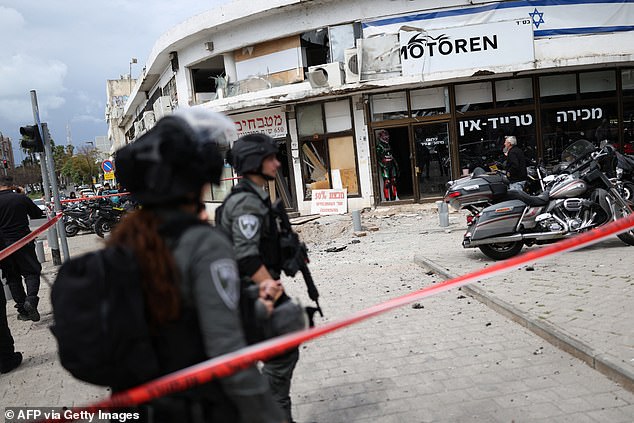
The conflict has had tangible consequences across the region. On Thursday, air raid sirens sounded in Israel, warning of incoming Iranian missile barrages. In the United Arab Emirates, two individuals were reported killed and three injured by shrapnel from an intercepted missile over Abu Dhabi.
Industry analysts suggest that Iran is effectively implementing a “de facto ‘toll booth’ regime” in the Strait of Hormuz, with some vessels reportedly paying transit fees in Chinese yuan. This strait is crucial, transporting approximately 20% of the world’s oil and natural gas during peacetime.
In response to the escalating tensions, the U.S. has increased its military presence in the region. The amphibious assault ship USS Tripoli, accompanied by approximately 2,500 Marines, has moved closer to the Middle East. Additionally, at least 1,000 paratroopers from the 82nd Airborne Division have been deployed to the area.