Deadly Ambush Claims Lives of Security Personnel in Kebbi State
A brutal ambush in the Giro Masa community, Shanga Local Government Area of Kebbi State, has resulted in the tragic deaths of at least 11 soldiers and one police officer. The attack, which occurred on Tuesday night, highlights the persistent security challenges plaguing the region.
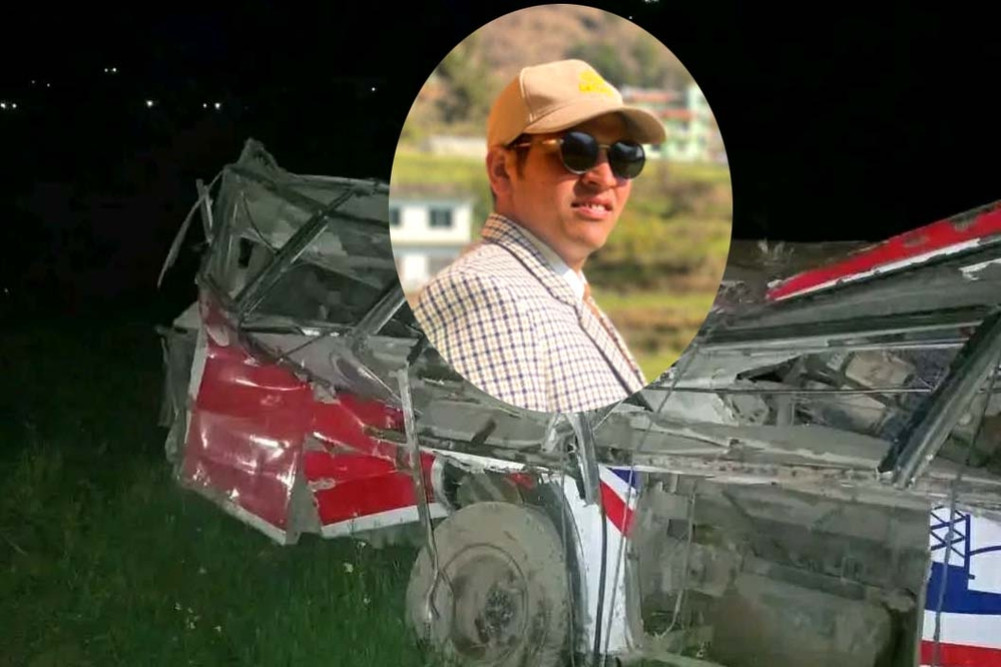
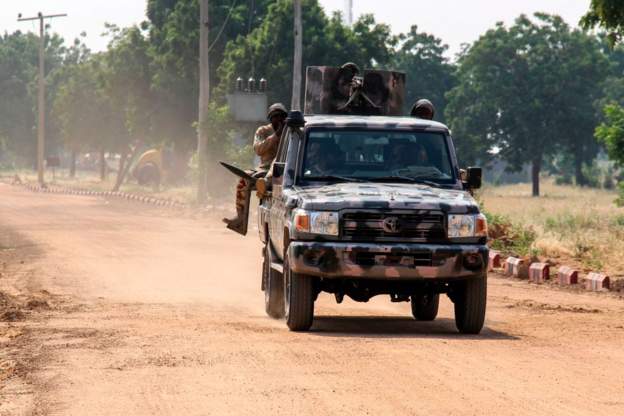
Security operatives, who had reportedly been active in the area, were reportedly tracing gunmen when they were drawn into a trap near a construction company yard. Acting on intelligence, soldiers were dispatched to secure the site but were ambushed en route. The ensuing confrontation led to the loss of the security personnel and the destruction of two military vehicles, which were set ablaze.
Governor Nasir Idris of Kebbi State promptly visited the Federal Teaching Hospital in Birnin Kebbi, where the injured were receiving medical attention. He condemned the incident as “unfortunate and barbaric” and pledged the state government’s full support. This includes covering all medical expenses for those wounded and providing assistance to the families of the fallen security personnel.
“The Kebbi State Government does not take security issues lightly,” Governor Idris stated to journalists. “We have witnessed the situation firsthand and have instructed the Chief Medical Director to ensure comprehensive care for the patients. For those who have lost their lives, the government will extend every possible support to their families. This is a profound loss, and while we must accept what has happened, it is a deeply saddening event.”
The governor underscored the sacrifice of the security forces, noting, “These are the very individuals protecting the lives of Kebbi residents, and they found themselves in this dire situation. The Kebbi State Government remains unwavering in its commitment to safeguarding its citizens.” He expressed his deepest sympathies to the 11 soldiers and the police officer who perished during what was understood to be a rescue mission.
Governor Idris specifically identified the “Lakurawa group” as responsible for the attack, describing their actions as callous. He affirmed the state government’s commitment to bolstering security efforts and announced plans to meet with the Chief of Defence Staff in Abuja to discuss the incident. Furthermore, he pledged to replace the two operational vehicles destroyed by the assailants.
Commending the resilience of the military, the governor urged them to remain steadfast. “I thank the military for their dedication and for fulfilling their responsibilities. This incident should not lead to complacency; continue to demonstrate professionalism,” he charged the soldiers.
Residents Speak of Persistent Terror
The attack has sent ripples of fear through the local communities. A resident, speaking anonymously, revealed that members of the Lakurawa group have been terrorizing the area for an extended period, which led to the initial deployment of soldiers. “Unfortunately, they were ambushed by the gunmen,” the resident explained.
Another local added, “When we alerted the soldiers about the Lakurawa heading towards the construction company yard, we never anticipated they would be ambushed. It was a harrowing experience on Tuesday night.”
The gravity of the situation was echoed by the Emir of Yauri, Dr. Zayyanu Abdullahi, who visited the ambush site in Giro Masa. He expressed deep concern over the killings and the recurring security challenges in the region. The Emir advocated for enhanced intelligence gathering, reconnaissance, and the deployment of advanced technology, such as drones, to strengthen security operations and minimize casualties. He also commended the governor’s swift response and prayed for enduring peace and security for the state and the nation.
Alhaji Mahmud Mai Akuya, a community leader, described the current security landscape in Shanga as dire, with frequent attacks by bandits and the Lakurawa group. “This incident represents the peak of the security challenges we face. Since Tuesday, we have been living in constant fear. If soldiers can be targeted, we, the residents, do not feel safe at all,” he stated. He appealed for an increased military presence to ensure their safety.
Farmer Nuhu Sani shared similar anxieties, noting that the residents are living in a state of heightened fear following the attack. “No one anticipated such a bloody escalation of the security situation. I haven’t been able to tend to my farm since the incident. Everyone is afraid, uncertain of what the future holds. We implore the governor to deploy more security personnel to protect us.”
Pattern of Violence Linked to Lakurawa Group
The Lakurawa group has been implicated in numerous attacks across the northern parts of Kebbi State and neighbouring Sokoto State, resulting in significant loss of life and numerous abductions. In February, a coordinated assault by Lakurawa terrorists on eight communities in the Arewa Local Government Area resulted in the deaths of at least 33 individuals.
According to police spokesman Bashir Usman, the assailants often cross from Sokoto State, areas known to be influenced by the Lakurawa insurgent group. In a subsequent incident a week later, the same group reportedly attacked a mosque, killing five worshippers and injuring three others. This attack was believed to be a reprisal for a failed ambush on the convoy of a Nigerian Army General Officer Commanding (GOC). The mosque attack in Dadinkowa community, Maiyama Local Government Area, occurred during evening prayers and was seen as retaliation for their earlier confrontation with the military.
Broader Security Concerns Highlighted
The Kebbi State ambush occurs against a backdrop of escalating insecurity in other parts of Nigeria. Reports indicate that between January and March 2026, at least 56 soldiers were killed and 28 others injured in Borno and Adamawa states due to a series of assaults on military formations and highways.
- January 4: Insurgents ambushed troops along the Damasak-Kareto road, resulting in six soldiers killed and five injured.
- January 19: A suicide bomber targeted the Timbuktu Triangle, claiming the lives of five soldiers.
- January 23: Eight soldiers were killed in Damasak town.
- January 29: Five soldiers lost their lives in Wajirko village along the Maiduguri-Damboa-Biu road.
- February 6: Six soldiers were killed in Auno, near Jakana.
- February 14: Insurgents attacked a military base in Cross Kauwa village, Baga LGA, killing eight soldiers and injuring 23 others.
- February 24: Three soldiers were killed at Garaha military base in Hong, Adamawa State.
- February 28: Four soldiers were killed at Mayanti base in Bama LGA of Borno State.
- March 4: Nine soldiers were killed in the Ngoshe community, Gwoza LGA.
- March 6: One soldier was killed in Konduga.
- March 9: Insurgents attacked in Kukawa LGA, resulting in the death of one soldier.
Expert Calls for Urgent Security Overhaul
Security expert Yahuza Getso has voiced significant concerns regarding the perceived weaknesses in Nigeria’s security architecture, citing the recent fatalities among military personnel. Getso pointed to deficiencies in intelligence gathering, equipment, and overall operational strategies as contributing factors.
“This clearly illustrates the limitations in the quality of gadgets and equipment being utilized, posing a serious national threat,” he remarked. The expert also questioned the increasing sophistication of armed groups, their training, and operational capabilities. According to Getso, this situation exposes lapses in intelligence management and a decline in civil-military relations, which are crucial for effective security operations.
He stressed the need for immediate intervention, emphasizing the requirement for capable leadership and a thorough review of the nation’s security framework. “This is a precarious situation demanding prompt and decisive action. Without strong leadership at the helm, the problem is likely to persist,” Getso warned.
The expert also highlighted the importance of equipping troops with advanced surveillance tools and technology to enable early threat detection. He advocated for proactive operations against criminal elements, noting that many of their locations are already known. “We should not wait for them to attack. Security forces must take the initiative and confront them in their hideouts,” he urged.
While acknowledging the commitment of Nigerian troops, Getso cautioned that sustained attacks could lead to demoralization among personnel. He further noted that such a trend could endanger the broader population and contribute to the proliferation of arms and other criminal activities. The expert called on the government to enhance support for security agencies and foster greater collaboration with local communities to effectively combat insecurity across the country.