Italy and Algeria Forge Deeper Energy Ties Amidst Global Supply Concerns
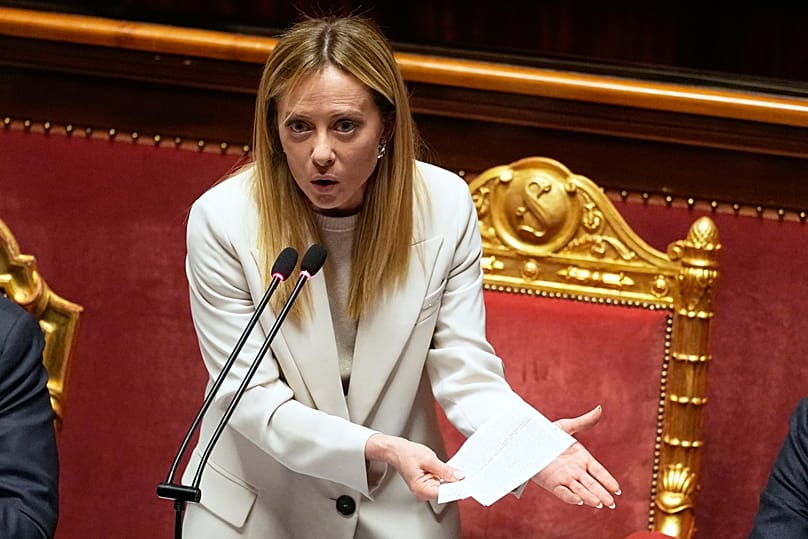
Italy’s Prime Minister Giorgia Meloni announced a significant strengthening of energy cooperation with Algeria during a recent visit, aiming to bolster deliveries of natural gas to the European Union member state. The agreement underscores Italy’s strategic efforts to secure reliable energy sources in the face of evolving global supply dynamics.
“We have decided to reinforce our already very solid cooperation through our national champions,” Meloni stated, referencing the collaborative efforts between Italian energy major ENI and Algeria’s national oil and gas company, Sonatrach. The Prime Minister emphasized the exceptional strength of the bilateral relationship, declaring, “The relationship between our nations has never been so strong.”
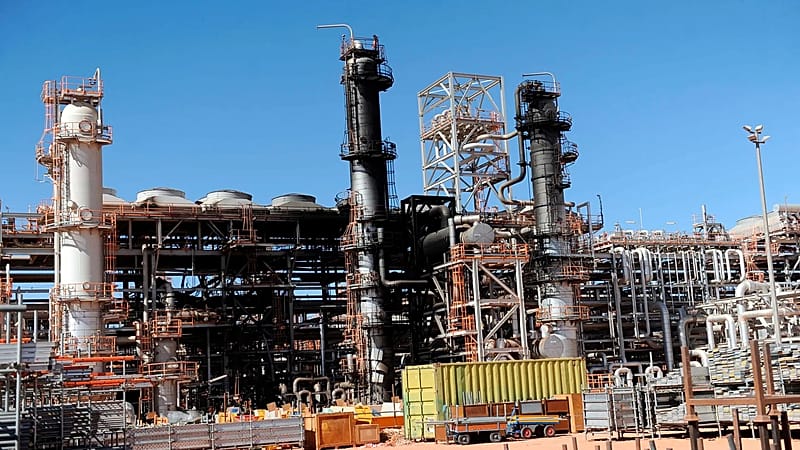
The enhanced partnership will extend to collaborative projects in critical areas of energy development, including shale gas extraction and offshore exploration. These initiatives are poised to contribute to a more robust and diverse energy portfolio for both nations.
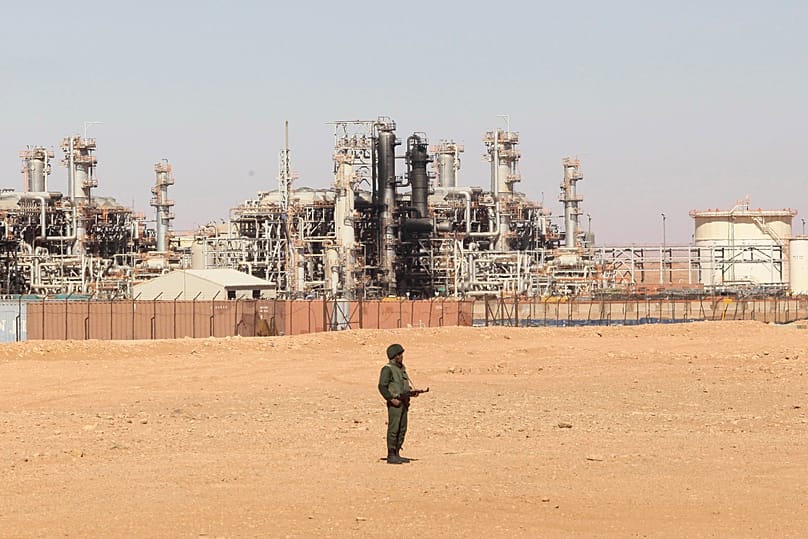
Algeria currently plays a crucial role in Italy’s energy landscape, supplying approximately 30% of its natural gas, primarily through the TransMed subsea pipeline. This vital artery, however, is reportedly operating at its maximum capacity, according to industry experts. While Algeria also exports liquefied natural gas (LNG), its capacity to replace other suppliers is a subject of careful consideration.
Italy, which relies on natural gas for over 40% of its electricity generation, has been actively pursuing alternative supply routes to compensate for disruptions in LNG imports from Qatar. The Qatari energy sector, a significant provider to Italy, has experienced production shutdowns following repeated attacks on its major LNG facilities. Qatar typically accounts for around 10% of Italy’s gas imports.
Experts have indicated that while Algeria possesses some capacity to increase its LNG shipments, the scale of this increase may not be sufficient to entirely offset the shortfall from Qatar. The North African nation, a key energy supplier to several European Union members, including Spain, produces considerably less LNG than the smaller Gulf state. The development of new extraction and export infrastructure, particularly offshore projects, is a long-term endeavor that can span several years.
Geopolitical Ripples and Italy’s Energy Strategy
The ongoing conflict in Iran, which has had a disruptive effect on global oil and gas supplies, was also a point of discussion. Prime Minister Meloni expressed concern that a prolonged conflict could lead to significant economic and social repercussions for vulnerable countries in Africa.
The strategic importance of the Italy-Algeria relationship has been cultivated over time. According to Aldo Liga, a researcher at Ispi’s Middle East and North Africa Observatory, the recent high-level engagement was the culmination of months of planning, with an invitation extended by the Algerian President to Prime Minister Meloni in early February.
Liga highlighted that the robust ties between Italy and Algeria are demonstrably reflected in trade figures, which have seen a notable increase. He pointed to a nearly 14% rise in trade in 2025, a development attributed in part to Italy’s broader strategy to enhance its engagement with the African continent through initiatives like the Mattei Plan.
Diversifying Gas Supply and Shifting Demand
Regarding the shortfall in gas supplies from Qatar, alternative avenues are available to Italy. Experts suggest that increasing LNG arrivals from various sources, including a potential rise in shipments from Algeria and actively encouraging greater supply from Azerbaijan, could help bridge the gap.
However, a nuanced perspective suggests that the impact of reduced gas imports may not present an overwhelmingly negative scenario for Italy. This is largely due to a discernible trend of decreasing gas consumption within the country. Data indicates that Italy’s demand for natural gas has seen a significant reduction, with consumption falling by 19% since 2021. This declining domestic demand offers a degree of flexibility in managing the current energy supply challenges.