Renowned Forensic Scientist Henry Lee, Key Figure in High-Profile Cases, Dies at 87
Henry Lee, a pioneering forensic scientist whose work brought the intricacies of modern crime scene investigation to public attention, has passed away at the age of 87. Lee died peacefully at his home in Henderson, Nevada, following a brief illness, as confirmed by his family and the University of New Haven, where he dedicated over five decades to teaching.
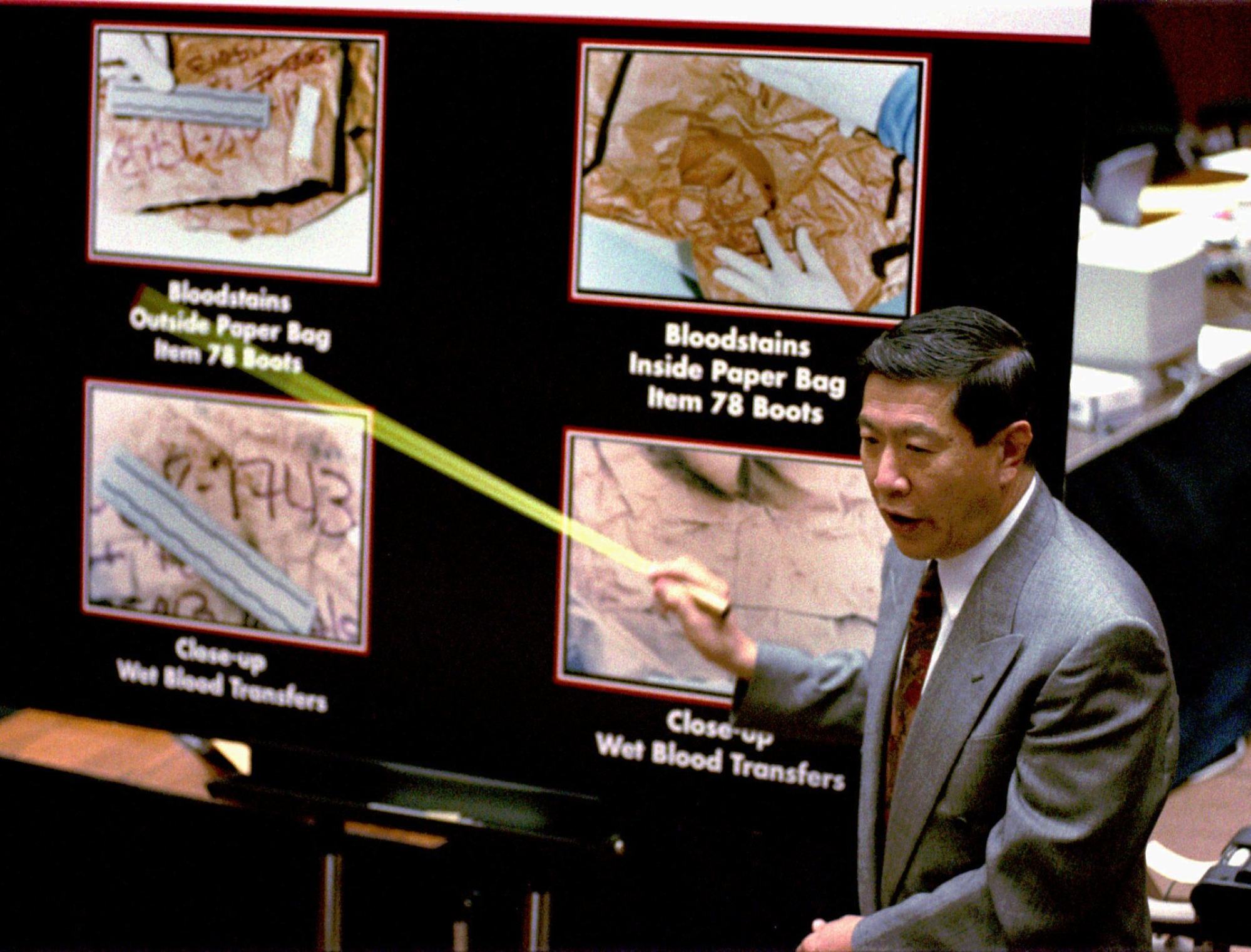
Lee’s career was marked by his involvement in some of the most sensational criminal cases of recent times. He first achieved widespread recognition for his testimony in the 1995 O.J. Simpson murder trial. During this landmark trial, Lee’s expertise was crucial as he provided insights into the handling of blood evidence, a critical component of the prosecution’s case. His ability to explain complex scientific findings to a lay jury made him a prominent figure in the burgeoning field of forensic science.
Beyond the Simpson trial, Lee lent his considerable skills to a number of other high-profile investigations that captured national and international headlines. These included:
- The 1996 slaying of 6-year-old JonBenet Ramsey in Colorado.
- The 2004 murder trial of Scott Peterson, who was convicted of killing his pregnant wife, Laci.
- The 2007 murder trial of music producer Phil Spector.
Lee’s contributions to criminal justice were extensive, often involving meticulous examination of evidence to reconstruct events and identify perpetrators. His early career, prior to his U.S. fame, laid the groundwork for his later success.
A Journey from China to the Forefront of Forensic Science
Born in mainland China, Henry Lee was the eleventh of thirteen children. His family later relocated to Taiwan, where he pursued a degree in police administration and began his career as a police officer, eventually rising to the rank of captain. In 1964, he and his late wife emigrated to the United States, a move that would propel his career to international prominence. In the U.S., Lee continued his academic pursuits, earning advanced degrees in forensic science and biochemistry, further solidifying his scientific foundation.
His early work in Connecticut proved instrumental in solving complex cases. A notable example was his investigation into the 1986 disappearance of flight attendant Helle Crafts. Despite the absence of a full body, Lee’s analysis of minute evidence, including bone fragments, a thumb tip, a tooth crown, and hair samples found near the victim’s home, enabled authorities to build a compelling case that Crafts’ husband had dismembered her body and disposed of it. This case highlighted Lee’s ability to achieve convictions even in the most challenging circumstances.
Navigating Scrutiny and Legacy
While Lee’s career was largely celebrated, it was not without its controversies. In later years, his work faced significant scrutiny. A federal court ruling in 2023 found him liable for fabricating evidence in a 1985 murder case that had led to the imprisonment of two Connecticut men for several decades. This ruling cast a shadow on some of his past testimonies.
The controversy stemmed from the retrial of the 1985 case, where convictions were vacated in 2020 by a state judge. The initial convictions had partly relied on Lee’s testimony regarding alleged bloodstains on a towel. Subsequent testing, conducted during the appeals process, revealed that the stains were not blood. A federal judge in 2023 concluded there was insufficient evidence to support Lee’s testimony. Lee consistently defended his work, denying any fabrication and suggesting that the alleged blood traces might have degraded over the 20 years between the crime and the defense’s testing of the towel.
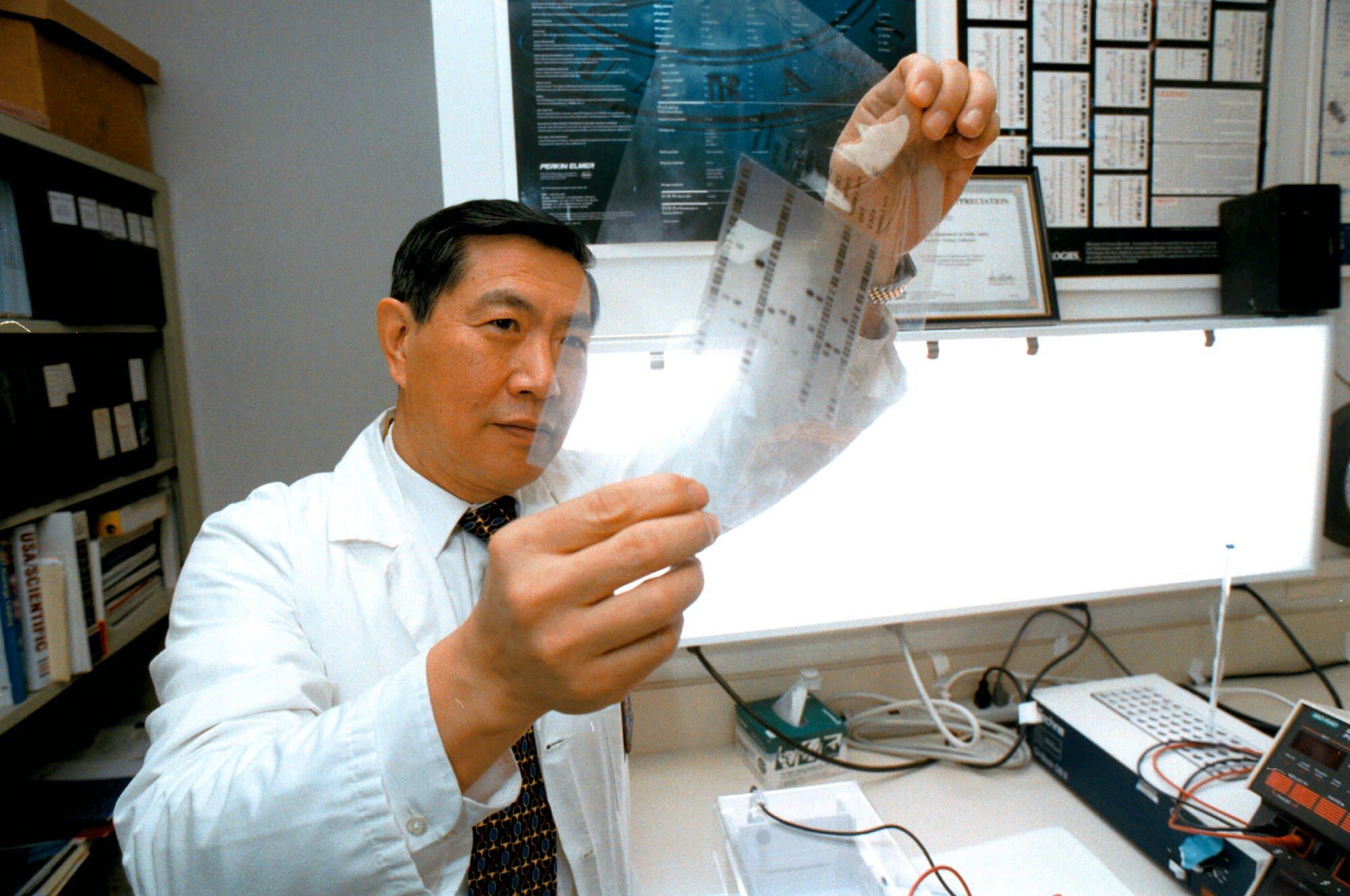
Despite these challenges, Lee’s dedication to the field of forensic science remained unwavering. He spent a significant portion of his career based in Connecticut, including serving as the head of the state’s forensic laboratory.
Building an Academic Powerhouse
At the University of New Haven, Lee played a pivotal role in developing its forensic science program. He transformed it from a modest setup, initially equipped with just a single fingerprint kit, into a comprehensive, multidisciplinary academic department. His influence extended to the founding of a forensics institute bearing his name at the university. This institute was dedicated to training future forensic and criminal justice professionals and providing expert case consultation.
Jens Frederiksen, President of the University of New Haven, paid tribute to Lee’s impact: “Dr. Lee was a remarkable individual. His contributions to our University, as well as forensic science and law enforcement, are extraordinary and unmatched. His legacy lives on in the generations of students and law enforcement professionals he impacted throughout his brilliant career.”
Lee was also a prolific author, co-authoring over 40 books. In his final days, he was reportedly working on a book focused on missing persons investigations, which is still expected to be released. His passing marks the end of an era for forensic science, leaving behind a complex and impactful legacy.