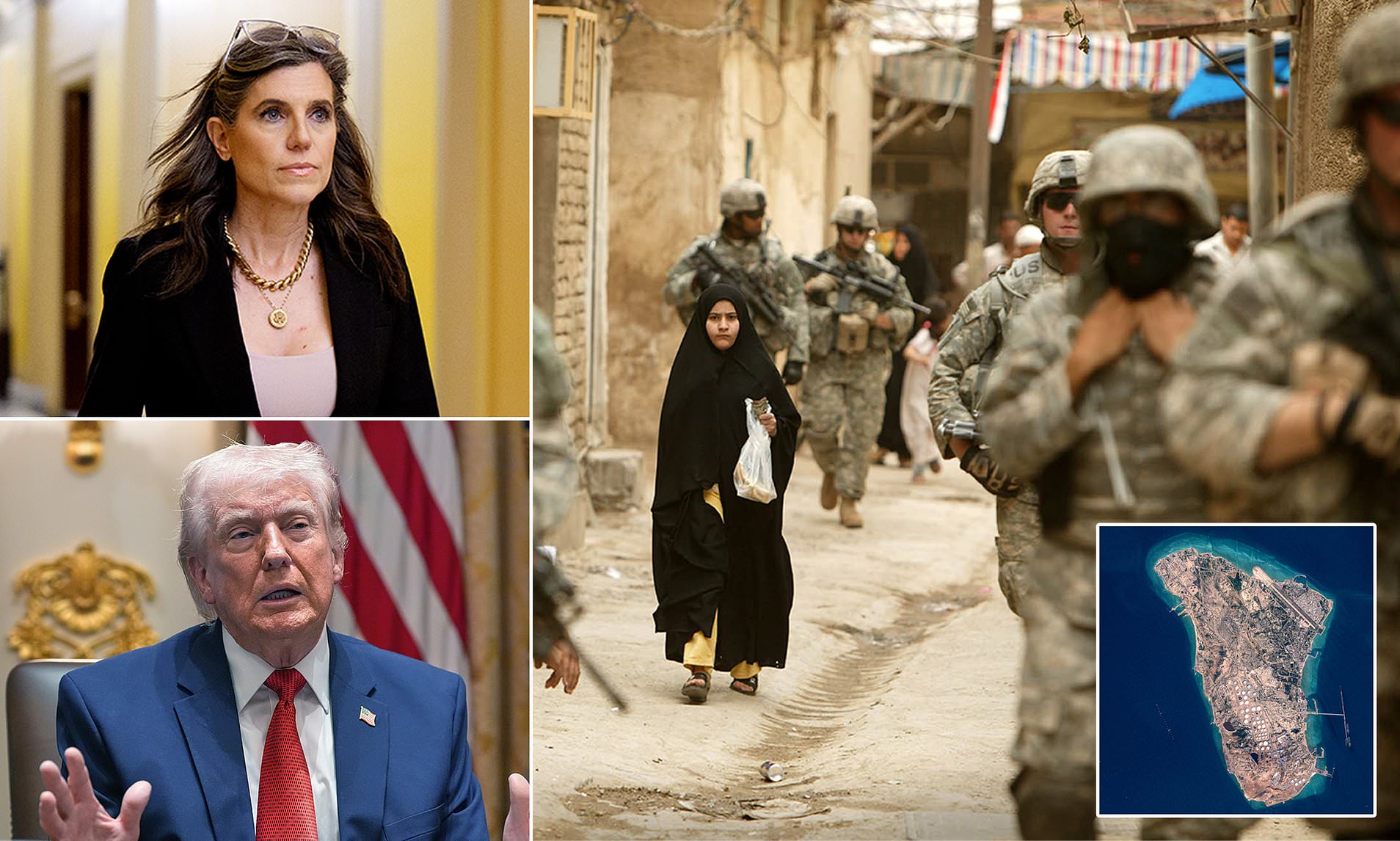
Deepening Divisions Emerge Over US Strategy in Iran as Lawmakers Express Growing Concerns
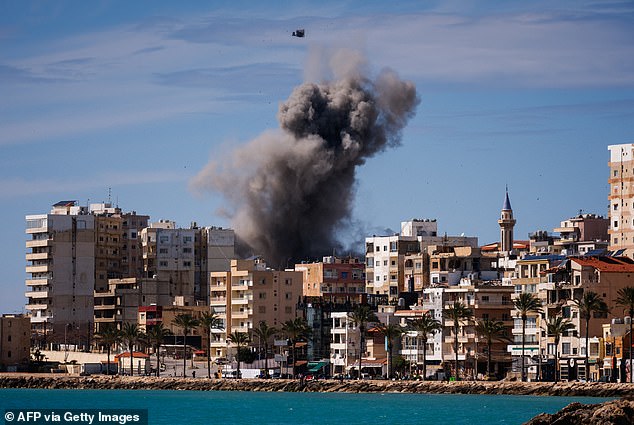
A classified briefing on Iran held on Capitol Hill has reportedly ignited significant controversy and led to a walkout by several Republican lawmakers, fueling speculation about the United States’ escalating military posture in the region. The session, intended to update members of the House Armed Services Committee on the unfolding situation, left some participants with more questions than answers, and according to internal accounts, revealed a potential divergence between public pronouncements and the actual military objectives being pursued.
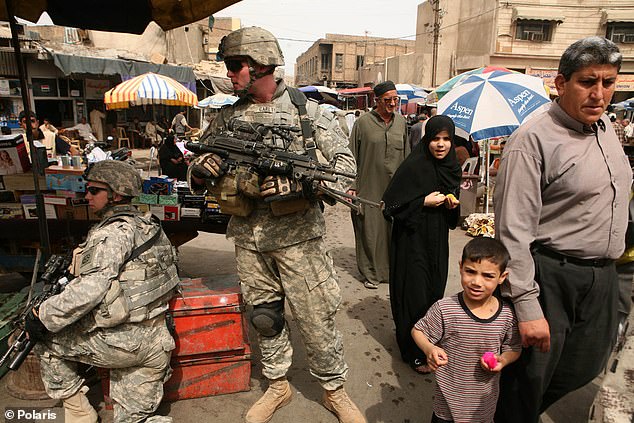
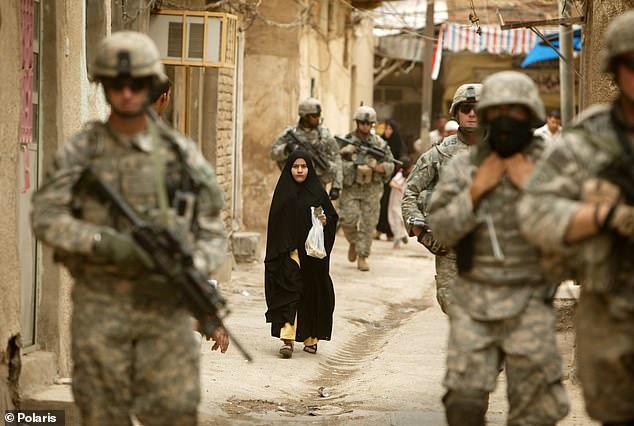
The deployment of nearly 7,000 U.S. ground forces to the Middle East, including units from the elite 82nd Airborne Division and the Marines, has intensified discussions and concerns about the direction of U.S. policy towards Iran. This military buildup has prompted swirling speculation regarding President Donald Trump’s rapidly developing plans, particularly in light of Iran’s refusal to accept the administration’s peace proposals.
Concerns Raised During Briefing
Sources within the briefing room have indicated that the objectives presented by Pentagon officials differed from those publicly communicated by the White House. One lawmaker, speaking anonymously, expressed dismay at what they described as a shifting set of goals.
- Discrepancies in Stated Objectives: A key point of contention appears to be the military’s focus on Iran’s nuclear capabilities. While the Pentagon has repeatedly stated that destroying Iran’s nuclear program is a primary objective, an insider revealed that during the briefing, “we were told nukes were not a military objective.” This statement starkly contrasts with the four goals the White House has publicly articulated: the destruction of Iran’s missiles, navy, armed proxies, and nuclear capabilities.
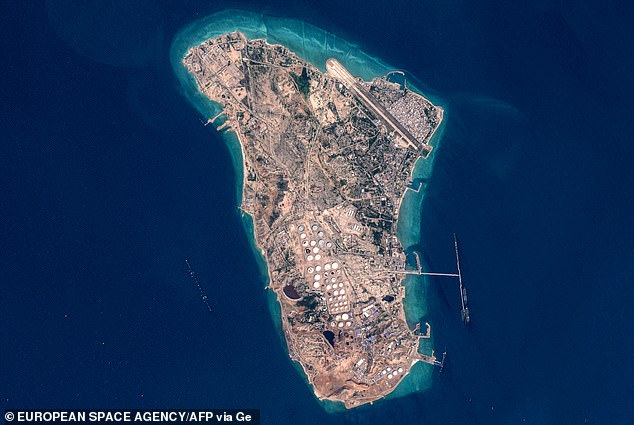
- Unanswered Questions on Key Strategic Points: Lawmakers reportedly pressed for clarity on several critical issues, including the strategic importance of Kharg Island, Iran’s primary oil export hub, its nuclear materials, and the potential for regime change. The anonymous source described the answers received as “jaw-dropping” and “will blow your brains out,” suggesting a significant disconnect between the administration’s public messaging and the military’s operational planning.
White House Reaffirms Official Goals
Despite these internal accounts, a White House spokesperson, Anna Kelly, has strongly refuted the claims of shifting objectives.
“This is completely false,” White House Spokeswoman Anna Kelly told the Daily Mail. “The United States Military has four distinct goals in Operation Epic Fury: destroy Iran’s ballistic missile capacity, annihilate their navy, ensure that terrorist proxies can no longer destabilize the region, and guarantee that Iran can never possess a nuclear weapon.”
Iran’s Defensive Preparations
Meanwhile, reports indicate that Iran is actively reinforcing its defenses. The country has begun fortifying Kharg Island, a critical node for its oil exports, by laying traps such as anti-personnel and anti-armor mines along likely landing zones. The strategic significance of Kharg Island cannot be overstated; responsible for processing 90 percent of Iran’s oil exports, its capture would represent a major strategic shift in any potential conflict. However, U.S. officials have also warned the administration about the substantial risks associated with a ground operation to seize the island, including the potential for significant American casualties.
Lawmakers Express Frustration
The frustration among lawmakers was palpable following the briefing. House Armed Services Committee Chairman Mike Rogers (Republican, Alabama) appeared uncharacteristically agitated, stating that he had received insufficient details regarding the war’s trajectory.
“We want to know more about what’s going on,” Rogers commented. “We’re just not getting enough answers.”
His sentiment was echoed by Senate Armed Services Committee Chairman Roger Wicker (Republican, Mississippi), who acknowledged the validity of Rogers’ concerns after his own briefing.
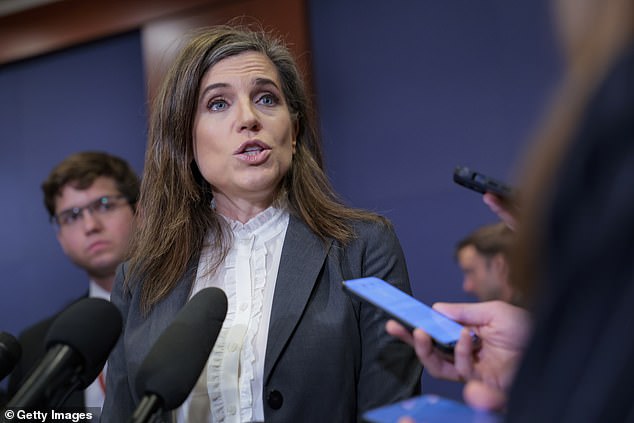
Representative Nancy Mace (Republican) took to social media platform X to voice her concerns, stating:
“The justifications presented to the American public for the war in Iran were not the same military objectives we were briefed on today in the House Armed Services Committee.”

Alignment with Israeli Objectives and Potential Funding Request
Interestingly, the reported objective of regime change, though not publicly emphasized by the Trump administration, does appear to align with the stated war aims of Israel. Prime Minister Benjamin Netanyahu has publicly outlined three primary goals: the elimination of Iran’s ballistic missile stockpile, ensuring Tehran cannot develop a nuclear warhead, and fostering an internal environment conducive to the overthrow of the Islamic regime.
Compounding these concerns is the expectation that the White House will soon submit a request for substantial additional funding for the Pentagon’s operations related to Iran. This request is anticipated to be in the region of $200 billion, a figure that represents approximately one-fifth of the entire annual budget of the U.S. Department of Defense. This potential financial commitment further underscores the scale and seriousness of the ongoing military engagement.
On Wednesday, Iran officially rejected a 15-point peace plan that had been put forward by the United States. This rejection, coupled with the growing internal dissent among Republican lawmakers regarding the timeline, scope, and ultimate purpose of the prolonged military engagement, highlights the deepening fractures within the party concerning the Iran war. The lack of transparency and the reported discrepancies in stated objectives have clearly sown seeds of doubt and unease among those tasked with overseeing national security.