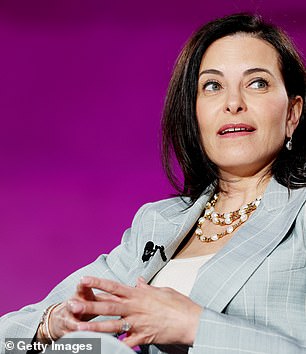
Meta Executives Poised for Billion-Dollar Windfalls Amidst Ambitious AI Push
Meta Platforms is reportedly preparing to award substantial bonuses to several of its top executives, a move that underscores the company’s aggressive pivot towards artificial intelligence (AI). This significant financial incentive package comes as Meta aims to solidify its position as a leader in the rapidly evolving AI landscape.
The proposed stock option plan could see six key executives receive bonuses approaching $1 billion each. This ambitious strategy highlights Meta’s commitment to its AI objectives, even as the company navigates workforce adjustments.
Key Executives and Potential Payouts
According to compensation research firm Equilar, the Chief Technology Officer, Andrew Bosworth, the Chief Product Officer, Chris Cox, and the Chief Operating Officer, Javier Olivan, are among those most likely to benefit from this extensive stock option plan.
While the exact figures are subject to company performance and market conditions, initial estimates suggest these individuals could stand to gain up to $921 million each.
- Chief Technology Officer: Andrew Bosworth
- Chief Product Officer: Chris Cox
- Chief Operating Officer: Javier Olivan
The compensation research firm also projected that the Chief Financial Officer, Susan Li, would receive an estimated stock option valued at approximately $161 million.
Other senior leaders eligible for these stock options include Dina Powell McCormick, the president and vice chairman, and Chris Mahoney, the Chief Legal Officer.

A Strategic Investment in Future Success
This move marks a significant shift in Meta’s executive compensation strategy, as it represents the first time since 2012 that the company has granted such substantial stock options to its leadership team. A Meta spokesperson characterized the initiative as a “big bet,” emphasizing that the full realization of these pay packages is contingent upon Meta achieving “massive future success,” which would, in turn, benefit all shareholders.
The executives would have the opportunity to exercise these options and acquire additional stock if the company successfully meets predetermined growth targets.
Ambitious Growth Targets and AI Dominance
One of the central objectives outlined for these executive bonuses is the ambitious goal of transforming Meta into a $9 trillion company by 2031. Achieving this target would require a six-fold increase in the company’s current market value.
CEO Mark Zuckerberg has publicly declared his mission to develop “superintelligence,” signaling a profound dedication to AI development. Meta is expected to allocate a considerable portion of its budget, estimated to be around $115 billion this year, towards its AI initiatives.
Zuckerberg, whose personal net worth is estimated at $204.2 billion, has asserted that AI is poised to “dramatically change the way that we work” starting this year. He has also acknowledged that this transformative period will inevitably lead to workforce restructuring and layoffs.
“We’re starting to see projects that used to require big teams now be accomplished by a single very talented person,” Zuckerberg stated in January, reflecting on the efficiency gains AI promises.

Workforce Adjustments Amidst AI Focus
The company has been actively building its AI capabilities, investing billions last year to recruit AI specialists to join its existing workforce of approximately 78,000 employees.
This strategic focus on AI has coincided with recent workforce reductions. Earlier this week, hundreds of employees were reportedly laid off from the Reality Labs division, which is responsible for virtual reality and metaverse products. These cuts are understood to represent between 10% and 15% of the Reality Labs team.
A company spokesperson commented on these organizational changes, stating, “Teams across Meta regularly restructure or implement changes to ensure they’re in the best position to achieve their goals.”

Legal Challenges and Social Media Impact
The recent executive compensation news emerges in the wake of a significant legal ruling against Meta and Google. The tech giants were ordered to pay $3 million to a young woman whose life was reportedly devastated by social media addiction.
This landmark lawsuit involved a 20-year-old plaintiff, identified only as Kaley, who accused both Meta and Google of designing their platforms in ways that fostered addiction. After a deliberative period of nine days, a California jury found the tech companies negligent in the design or operation of their respective platforms.
The jury determined that this negligence was a substantial factor in causing harm to Kaley, who argued that her childhood use of social media led to an addiction and exacerbated existing mental health challenges.
Furthermore, the jurors concluded that both companies were aware or should have been aware of the potential dangers their services posed to minors. They also found that the companies failed to provide adequate warnings about these risks, and that a responsible platform operator would have taken such precautions.
In terms of financial responsibility for Kaley’s harm, the jury assigned 70% of the liability to Meta, resulting in a $2.1 million share of the compensatory award. YouTube, a subsidiary of Google, was assigned the remaining 30%, amounting to $900,000.