The Evolution of Running: From Solitary Pursuit to Stylish Social Phenomenon in Seoul
For over a decade, my weekly runs in South Korea were primarily a solitary affair, populated by middle-aged men whose exertions often painted their faces a startling shade of crimson. The concept of “cool” seemed a distant aspiration for these earnest, if somewhat breathless, individuals navigating riverside paths. Fast forward to a recent visit to Seoul last November, and the landscape of urban running had undergone a remarkable transformation. The city, from the historic grandeur of Gyeongbokgung’s stone walls to the bustling, modern avenues of Gangnam, was alive with a new breed of runner.
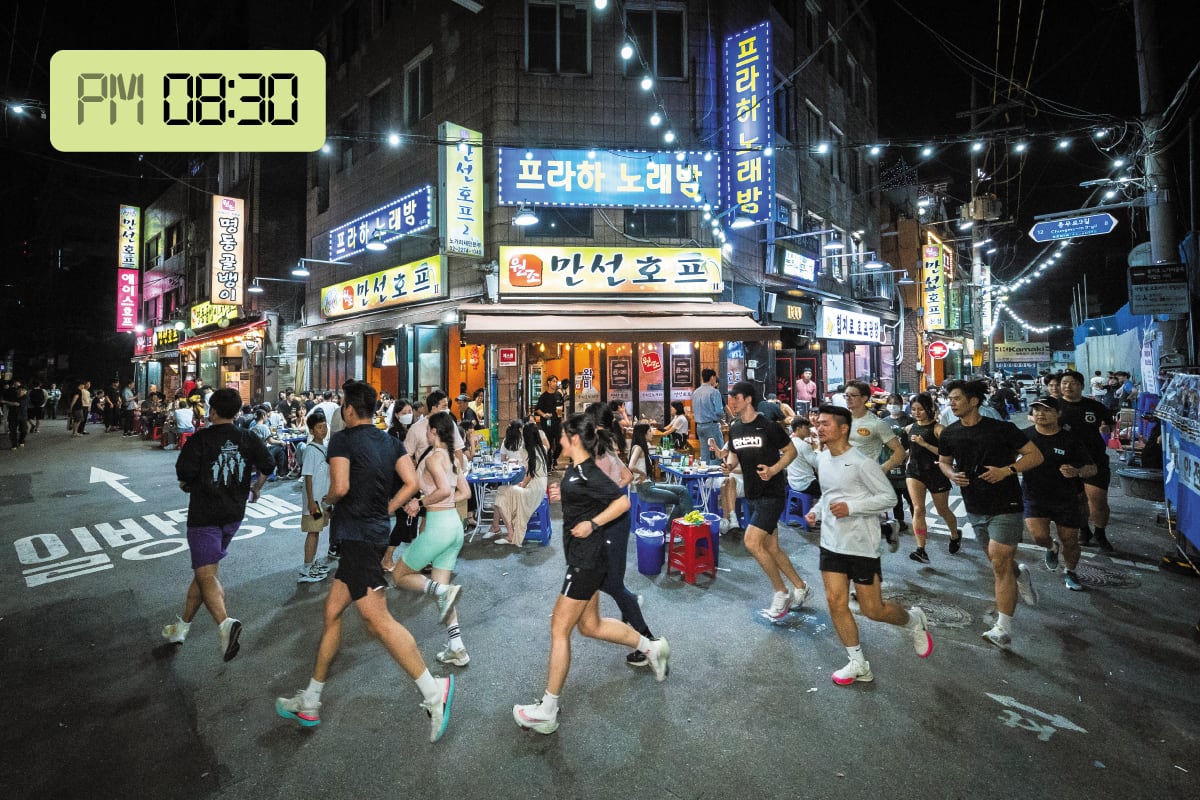
Gone were the saggy singlets of yesteryear. The contemporary Korean runner presented a picture of athletic grace and vibrant energy. They moved with a sleekness and confidence that rivaled professional athletes, adorned in head-to-toe designer activewear from global sports brands. This was no longer just exercise; it was a statement, a fusion of fitness and high fashion that turned the city into an impromptu runway. The visual spectacle was striking: individuals of all ages, exuding an aura of effortless cool, weaving through the urban environment with a practiced rhythm.
The British Approach: A Legacy of Solitude and Reflection
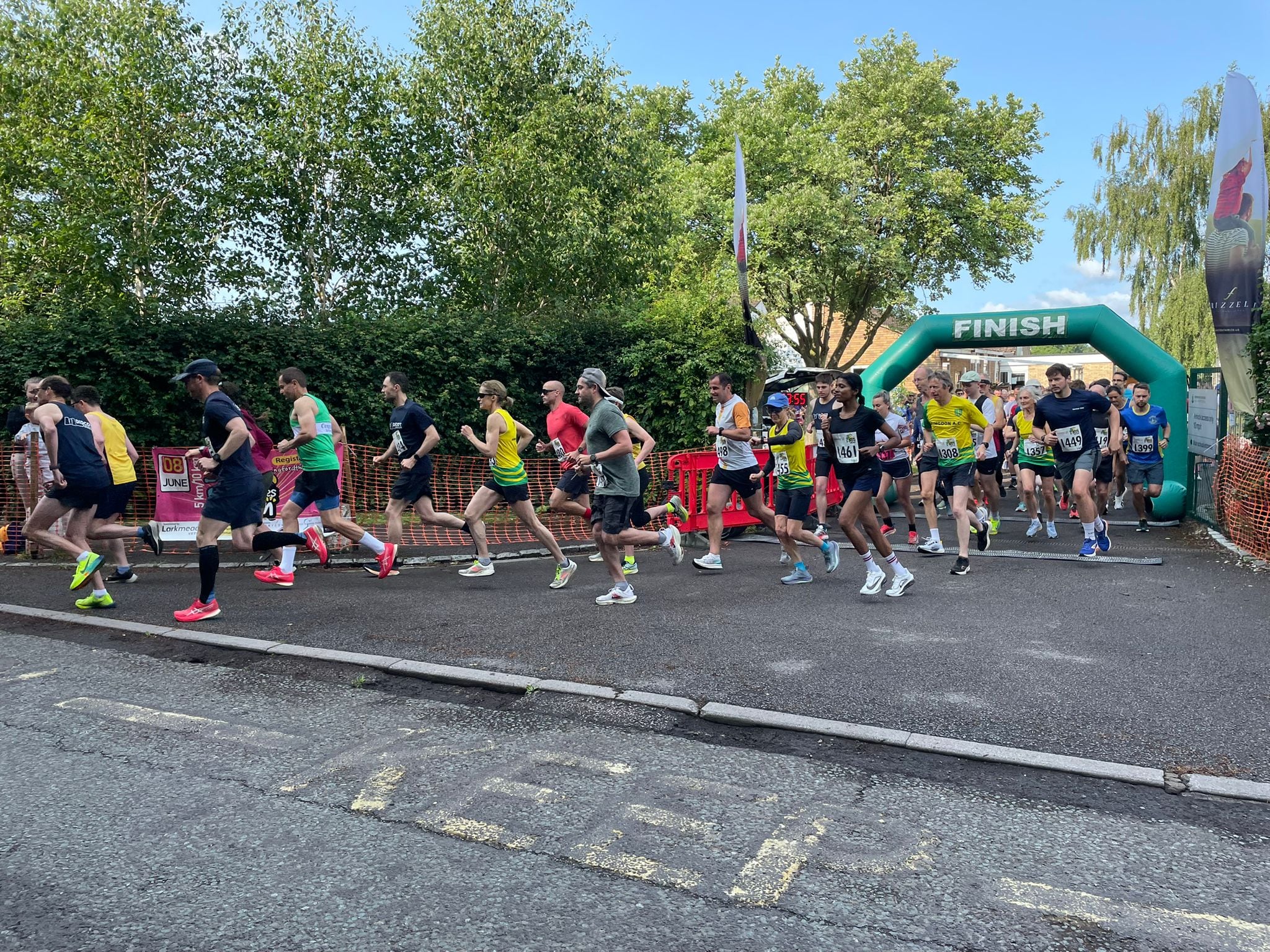
The United Kingdom is widely recognized as a progenitor of recreational running, having weathered several waves of running enthusiasm. Today, approximately 10 million people in the UK engage in regular running, with the number steadily growing by around 4% each year. While the UK boasts a robust network of running groups, a significant trend has emerged: roughly two-thirds of British runners opt for solo excursions. This preference for solitude is deeply ingrained, finding poetic expression in classic British cinema, such as the iconic film The Loneliness of the Long-Distance Runner. For many Britons, the quiet contemplation and introspection afforded by running alone are not just accepted but are cherished components of the experience. Even the perceived “loneliness” of individual training is embraced as an intrinsic part of the runner’s journey.
The Korean Revolution: Running as a Dynamic Social Sport
In stark contrast to the British inclination towards solitary pursuits, South Korea has cultivated a vibrant and highly organized running club culture that would likely impress even the most seasoned British marathoner. These Korean clubs operate with a level of coordination and flair that transforms running into a dynamic social spectacle.
Club leaders, often wielding LED light sticks like modern-day torchbearers, guide their members through the often-congested cityscapes. The visual of these luminous guides cutting through the urban twilight is a testament to the innovative spirit of these groups. Members, clad in stylish, uniform club T-shirts, engage in synchronized stretching routines, forming perfect circles before and after their runs, diligently following their leader’s commands. This meticulous organization and collective spirit suggest an extraordinary Korean talent for reimagining even the most introspective activities into engaging, communal experiences. The solitary act of running has been effectively transmuted into a lively, social sport, fostering camaraderie and shared purpose among participants.
The transformation observed in Seoul highlights a broader shift in how running is perceived and practiced globally. While the UK champions the introspective benefits of solo running, South Korea demonstrates a compelling model for integrating fitness with social connection and aesthetic appeal. This evolution suggests that the future of recreational running may lie in a harmonious blend of personal achievement and collective engagement, a testament to the adaptability and evolving cultural interpretations of this enduring human activity. Whether seeking quiet contemplation or vibrant camaraderie, the modern urban landscape offers diverse avenues for runners to connect with themselves and their communities.