Trump Dismisses British Naval Power, Strains Transatlantic Ties Amidst Iran Tensions
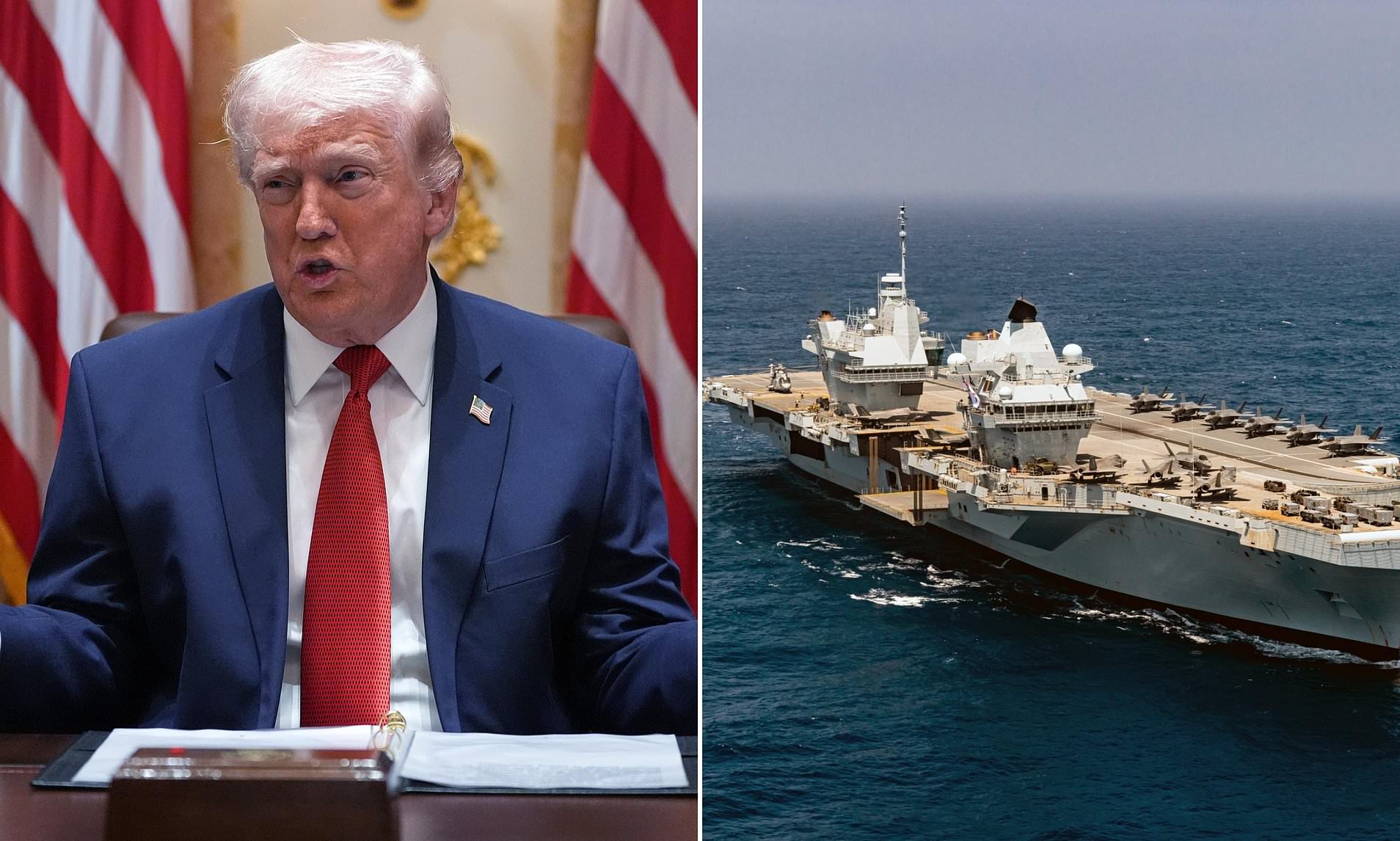
In a pointed critique of allied military capabilities, U.S. President Donald Trump has significantly downplayed the strength of Britain’s aircraft carriers, referring to them as mere “toys” in comparison to American naval assets. This assertion comes amidst ongoing friction over the UK’s perceived lack of robust support for U.S. actions concerning Iran, further highlighting a deepening chill in the once-vaunted “special relationship” between the two nations.
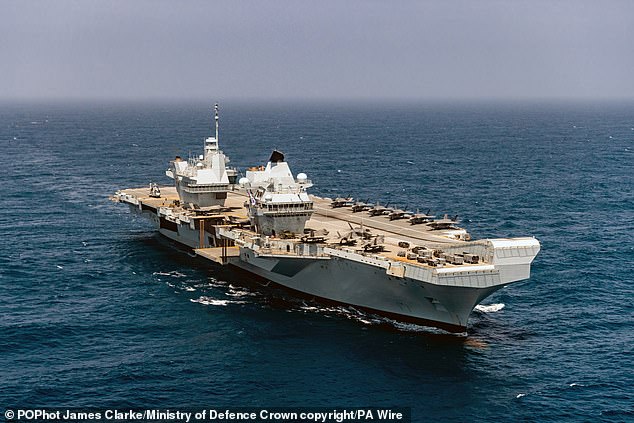
Speaking to reporters at the White House, President Trump expressed his disappointment with the Royal Navy’s capacity, stating, “The British said ‘we’ll send our aircraft carriers’ – which aren’t the best aircraft carriers by the way, they are toys compared to what we have – ‘we’ll send our aircraft carrier when the war is over’. I said ‘that’s wonderful, thank you very much – don’t bother’.”
The President also voiced his dissatisfaction with the UK’s initial decision not to permit the use of the Diego Garcia military base for targeting Iran with advanced U.S. weaponry, specifically mentioning the “beautiful B2 bomber.” This remark followed previous statements from Downing Street refuting claims that the UK had offered to deploy either HMS Queen Elizabeth or the fleet flagship HMS Prince of Wales to the Middle East.
The remarks underscore a critical juncture for the UK’s defense posture. At a time when the Royal Navy’s ability to project power and ensure national security is under scrutiny, the UK has reportedly had to request the use of a German warship to fulfill a significant NATO commitment. The German frigate Sachsen, with a British officer in command, has been deployed as the flagship of a NATO maritime task group, stepping in for HMS Dragon, which was redirected to assist Cyprus in defending against potential Iranian attacks.
When questioned about the operational readiness of the Royal Navy’s surface fleet, which comprises 17 frigates and destroyers, Defence Secretary John Healey admitted to being “not happy with the situation we have with British warships,” while being unable to provide specific figures on how many are currently combat-ready.
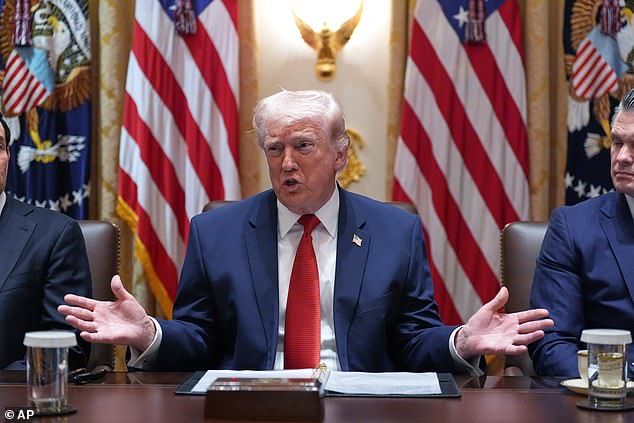
Adding another layer to the geopolitical discourse, President Trump also drew attention to Iran’s demonstrated capabilities, referencing an alleged Iranian attack on the Diego Garcia military base. “They shot at the now famous island, the island which the UK was really afraid to give us because they didn’t want to get dragged in, well, we don’t want to get dragged into their wars either,” Trump stated. He further expressed strong disappointment with NATO, asserting that the alliance “has done absolutely nothing” in response to the escalating conflict.
The President extended his criticisms to social media, using his Truth Social platform to reiterate his stance on NATO’s perceived inaction regarding U.S. and Israeli strikes on Iran. He posted, “NATO nations have done absolutely nothing to help with the lunatic nation, now militarily decimated, of Iran. The USA needs nothing from NATO, but ‘Never Forget’ this very important point in time.”
These comments come after President Trump had previously questioned Prime Minister Keir Starmer’s leadership, stating he was “no Winston Churchill,” in response to the UK’s reluctance to grant the U.S. unfettered access to British bases for operations against Tehran. While the UK has since granted permission for U.S. forces to conduct “defensive” operations from its military sites, including Diego Garcia, and has supported actions aimed at reopening the Strait of Hormuz amidst growing concerns over oil supply disruptions, Prime Minister Starmer has assured Cyprus that RAF Akrotiri will not be utilized for offensive strikes.
The ongoing debate about defense spending and the UK’s military readiness is further highlighted by the Prime Minister’s continued delay in revealing a long-anticipated blueprint for increasing investment in the Armed Forces, even as he acknowledges the threat posed by Russia to global peace. Shadow Defence Secretary James Cartlidge has described the current situation as “a complete shambles.”
Meanwhile, the broader international landscape remains tense. President Trump has issued threats of devastating attacks against Iran unless it accepts a 15-point peace proposal from the White House, potentially facilitated through indirect talks brokered by Pakistan. Pakistan’s top diplomat has confirmed ongoing negotiations, while military activities continue to escalate. Iran denies engaging in any negotiations, despite mediation efforts from countries like Egypt, and has solidified its control over the Strait of Hormuz, leveraging it as a critical economic pressure point. Israel, for its part, has indicated its intention to proceed with further military actions.
In his Truth Social post, President Trump insisted that Tehran was “begging” for a resolution and warned of further military escalation if an agreement is not reached. “They better get serious soon, before it is too late, because once that happens, there is NO TURNING BACK, and it won’t be pretty!” he wrote.
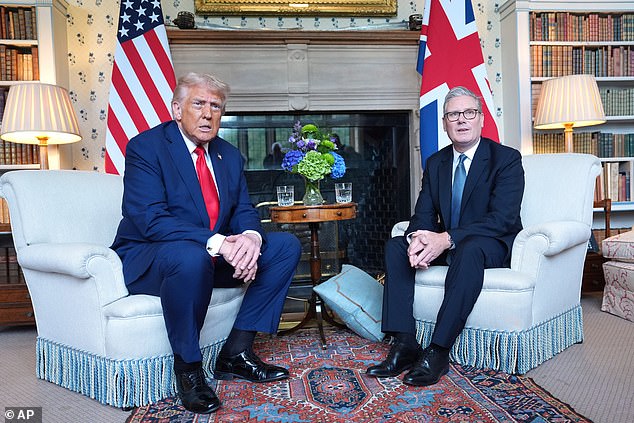
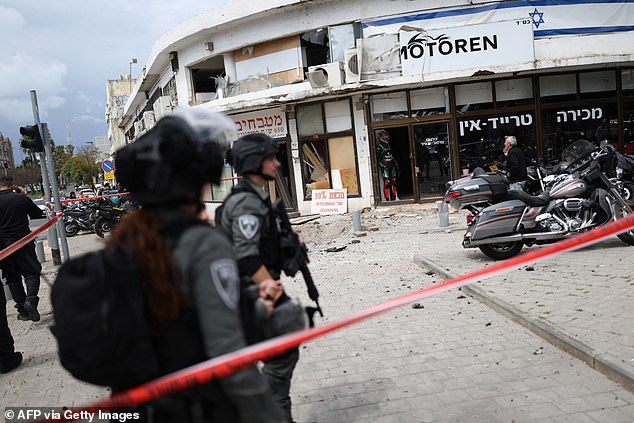
Since the commencement of military operations alongside Israel on February 28, President Trump’s stated objectives have shifted, encompassing the toppling of the Islamic Republic, neutralizing its nuclear program, and degrading its missile capabilities. The current focus appears to be on reopening the Strait of Hormuz, a vital waterway through which approximately one-fifth of the world’s traded oil passes, and which Iran effectively controls in response to the U.S.-Israeli bombardment. Israel has expressed a continued hope of inciting an uprising against Iran’s leadership.
Ishaq Dar, Pakistan’s top diplomat, has publicly acknowledged his country’s role in facilitating indirect talks between the U.S. and Iran, marking the first such confirmation. Pakistan, sharing a border with Iran, is keen to foster regional stability and mitigate the economic impact of the conflict on energy prices, positioning itself as a valuable U.S. partner through its mediation efforts. Pakistan has also joined President Trump’s Board of Peace, an initiative that originated from the Gaza ceasefire discussions.
Press TV, the English-language broadcaster for Iranian state television, has reported that Iran has its own five-point proposal, which includes demands for reparations and recognition of its sovereignty over the Strait of Hormuz.