Filipinos Grapple with Soaring Fuel Costs Amidst Global Tensions
The Philippines is currently navigating a severe energy crisis, exacerbated by escalating global conflicts. While a prominent senator has pointed fingers at former US President Donald Trump for the surge in fuel prices, public sentiment appears to be directing its frustration elsewhere. Instead of holding international figures accountable, many Filipinos are focusing their ire on President Ferdinand Marcos Jr. and his administration for their perceived inability to stabilize the escalating costs of essential commodities.
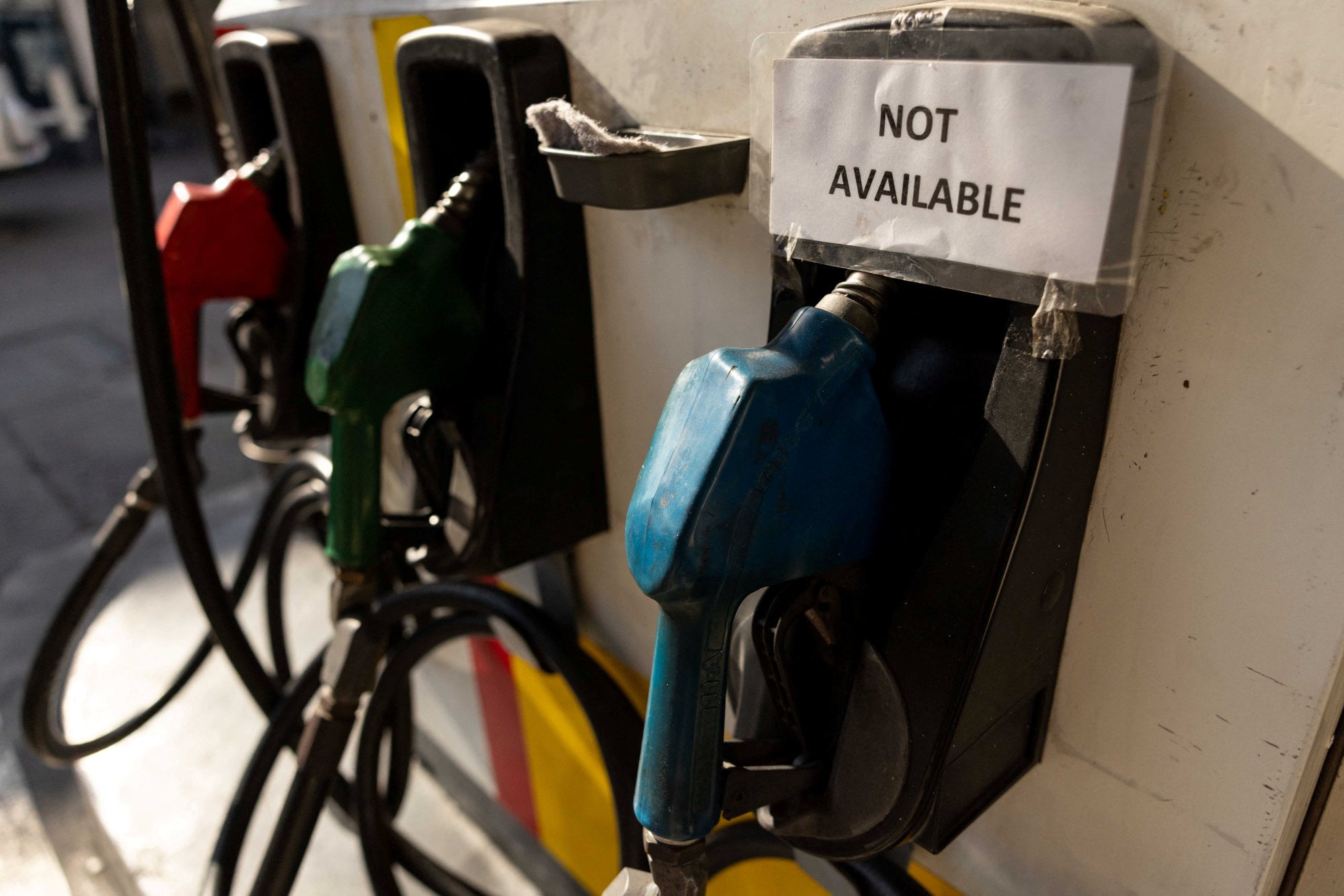
The dramatic increase in fuel prices across the archipelago began following military actions by the United States and Israel against Iran on February 28th. This intervention led to a near-complete blockage of the Strait of Hormuz, a critical artery for the flow of oil and gas from the Middle East. The impact has been immediate and palpable.
The Impact at the Pump
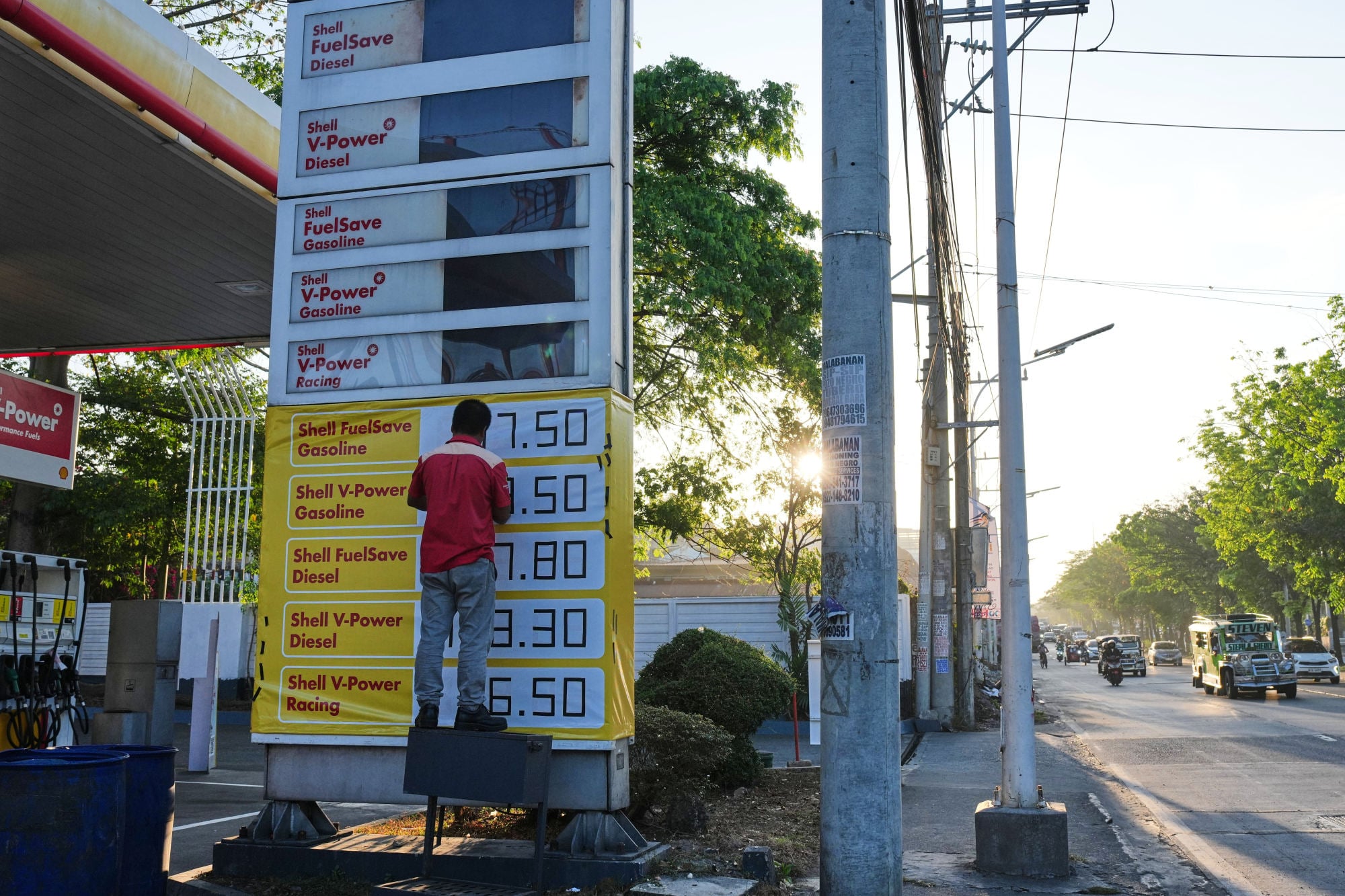
In Metro Manila, petrol station attendants have resorted to manually adjusting their fuel pumps. The digital displays, never designed to accommodate three-digit fuel costs, have proven inadequate for the unprecedented price hikes. Diesel, in some areas, has already reached 115 pesos (approximately US$1.92) per litre, with projections indicating further increases. This surge significantly erodes the daily minimum wage, which in the Philippine capital does not exceed 700 pesos.
A Senator’s Accusation and Public Divergence
Senator Panfilo Lacson publicly attributed the crisis to the actions of the Trump administration, stating, “President Trump’s brinkmanship did not work. In fact, it has boomeranged. He should be held to account by the whole world, including his own country.”
However, this sentiment does not appear to be widely shared among the Filipino populace online. The prevailing discourse among many netizens calls for the Marcos administration to prioritize domestic issues. A recurring theme in online discussions is the controversial billion-peso flood control scandal, which previously ignited significant public anger and widespread protests.
Online reactions to the senator’s statement revealed a contrasting perspective:
- One social media user argued, “I think Trump and the US did a good job for them and for the whole world. We have to view this war from the perspective of the future rather than the current spike in gas prices.”
- Another individual directly challenged the senator’s stance, questioning, “We cannot do anything about a global crisis, as there is one each year. What is your solution, since the Philippines has funds and can pass laws?”
- A more direct critique suggested, “Before you make such demands, first hold the members of Senate and House of Representatives involved in the flood control scam accountable.”
Analyzing the Disconnect
Experts suggest that this divergence in public focus is not unexpected. Julio Amador, interim president of the Foundation for the National Interest think tank, explains, “Filipinos will not be asking about ‘who started it’ because their issue is high fuel costs.” He further notes that the economic repercussions of the Iran conflict on oil prices do not automatically translate into negative perceptions of Donald Trump.
Arjan Aguirre, an assistant professor of political science at the Ateneo de Manila University, echoes this sentiment. He observes that for many Filipinos, the rising fuel costs are perceived as a global phenomenon rather than an issue directly attributable to a specific foreign leader. Aguirre also points out that Trump’s image as a strong and decisive leader, particularly concerning China, continues to resonate with a segment of the population.
Aguirre hypothesizes, “What we’re seeing, I suspect, might be a serious gap between economic effects and political perception, where global events affect daily life, but don’t significantly shift how Filipinos view him.”
Public Opinion and International Relations
Interestingly, a Pulse Asia survey conducted between February 27th and March 2nd revealed that nearly 60% of Filipinos identified Trump as the foreign leader they most wished to see attend the upcoming Association of Southeast Asian Nations (ASEAN) summit in Manila. Furthermore, 70% expressed trust in the United States to assist in defending the Philippines’ rights in the South China Sea, an area of ongoing maritime dispute with China.
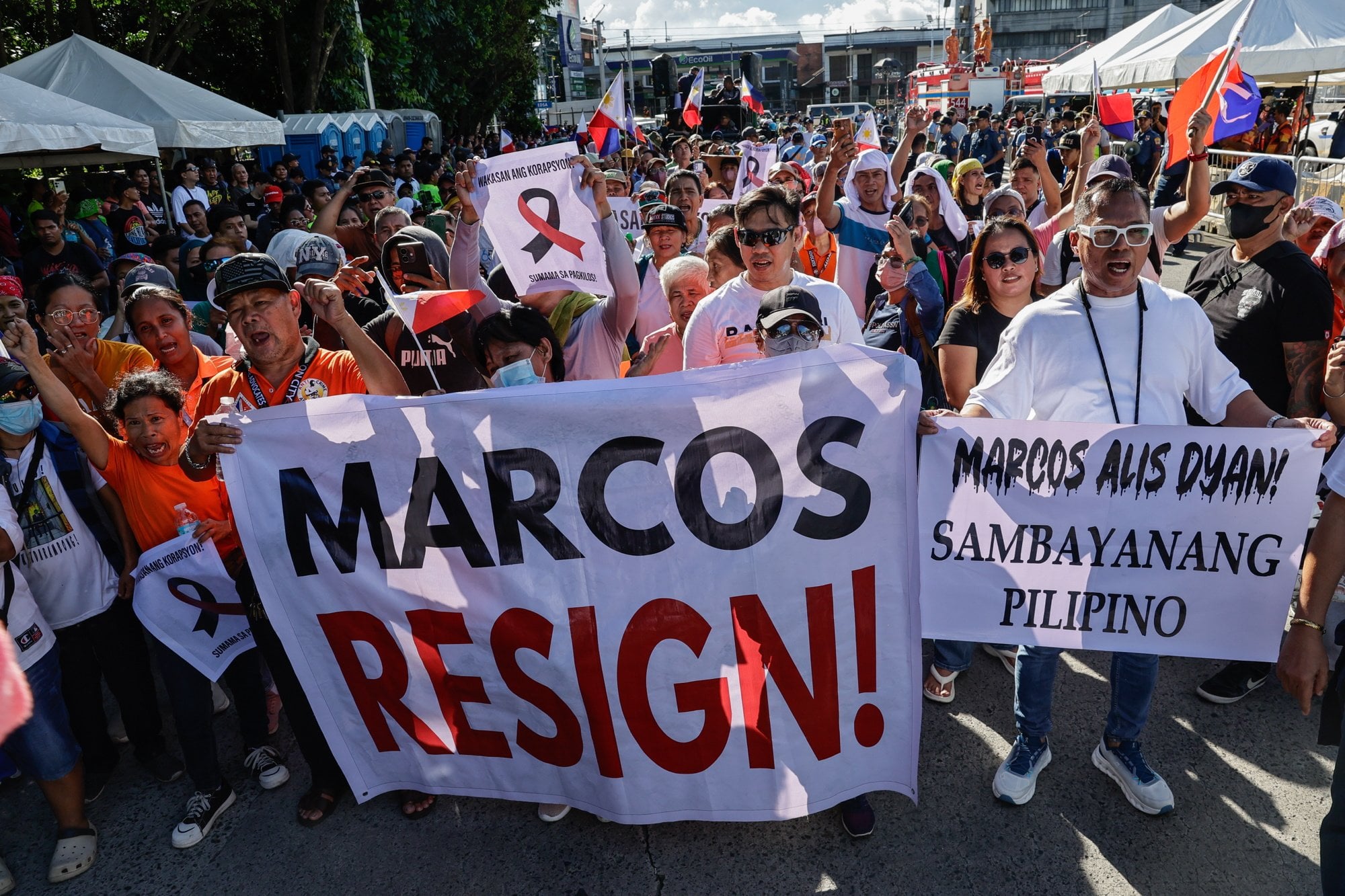
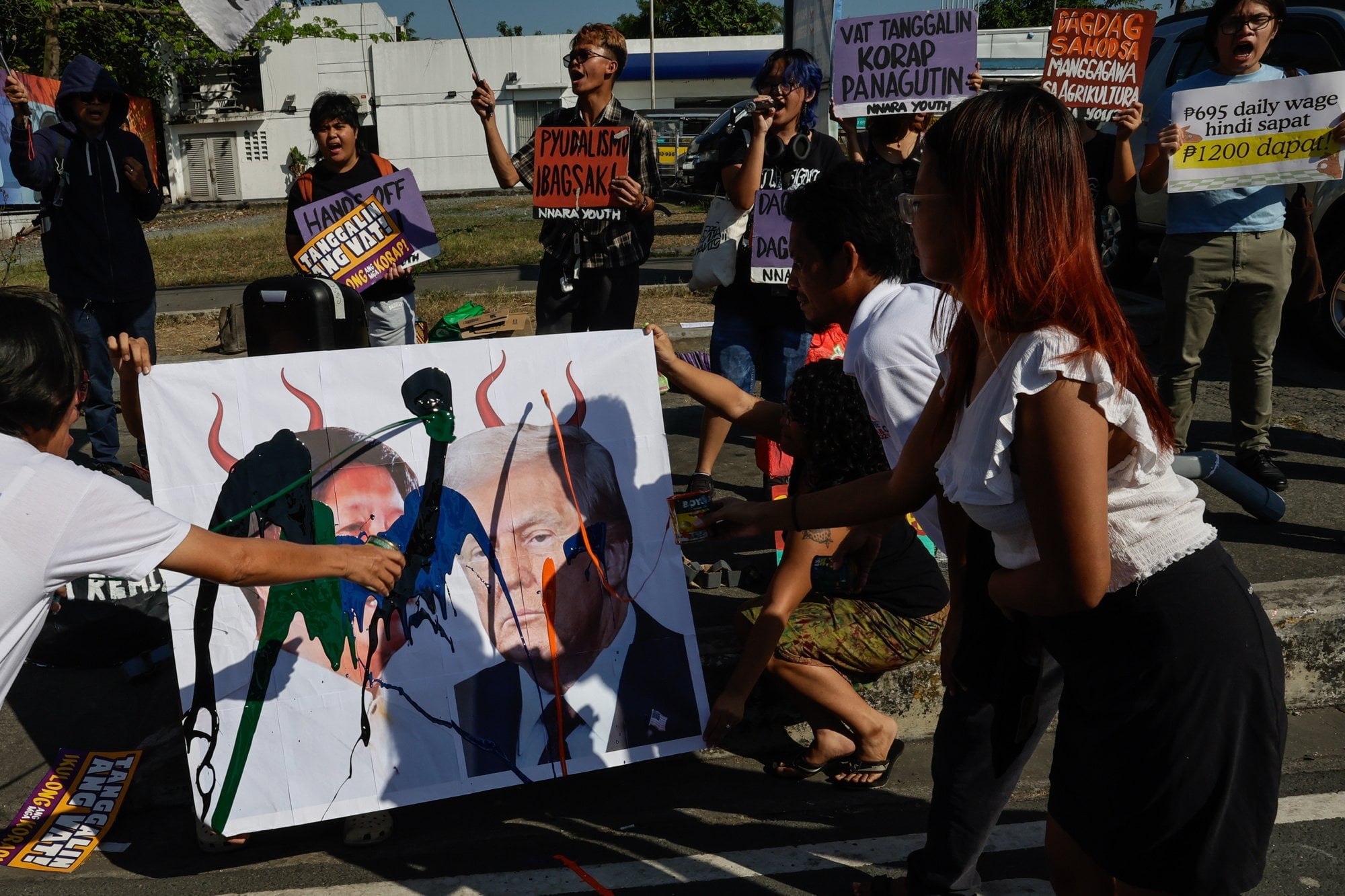
Despite this apparent trust in the US on security matters, public dissent is not entirely absent. Protests against the Iran war have seen demonstrators brandishing placards featuring images of Trump, Marcos, and the Israeli prime minister, indicating a segment of the population that does hold Trump accountable.
Security Alliances vs. Economic Realities
Analysts believe that the Iran conflict has not significantly undermined Filipino confidence in the US as a security partner. Efforts by allies of former President Rodrigo Duterte to link the war to the US-Philippine alliance and spread disinformation about potential Iranian retaliation on American military bases in the Philippines appear to have had limited impact.
“Nobody’s getting the argument that we will be victims of possible attacks,” stated Amador. “It’s really a question of: well, you do have a fuel crisis, and an energy crisis, and that’s the main issue.”
Chester Cabalza, founder and president of the International Development and Security Cooperation think tank, suggests that joint military exercises like the annual Balikatan drills contribute to maintaining public warmth towards Trump and the US on security issues. However, he cautions that a prolonged energy crisis could impede the Philippines’ progress towards upper-middle-income status, as it could cripple vital industries and services.
Deryk Baladjay, an international relations lecturer at De La Salle University, articulates a common perception: the US is viewed as a security provider, while China is seen as an economic partner. This reflects what he terms “a structural imbalance in American regional engagement.” Baladjay argues, “The US has consistently failed to integrate its security commitments with a credible, material economic strategy in Southeast Asia. Security guarantees, absent tangible economic benefits, are politically fragile in contexts where voters experience immediate material pressures.”
The Cascading Economic Effects
The immediate concern for many Filipinos is the economic fallout. Policy adviser Julio Amador commented, “We are substantively affected. Everyone is expecting this to hit inflation. It starts with energy, then spills over into inflation and everything else.”
The rising fuel costs, driven by military actions, are predicted to have a regressive impact, affecting transportation, food prices, and electricity rates. The government’s response has been cautious, with a perceived reluctance to openly criticize Washington and uncertainty about how to effectively address the crisis.