The Perilous Precedent: Assassination as Statecraft and its Unforeseen Consequences
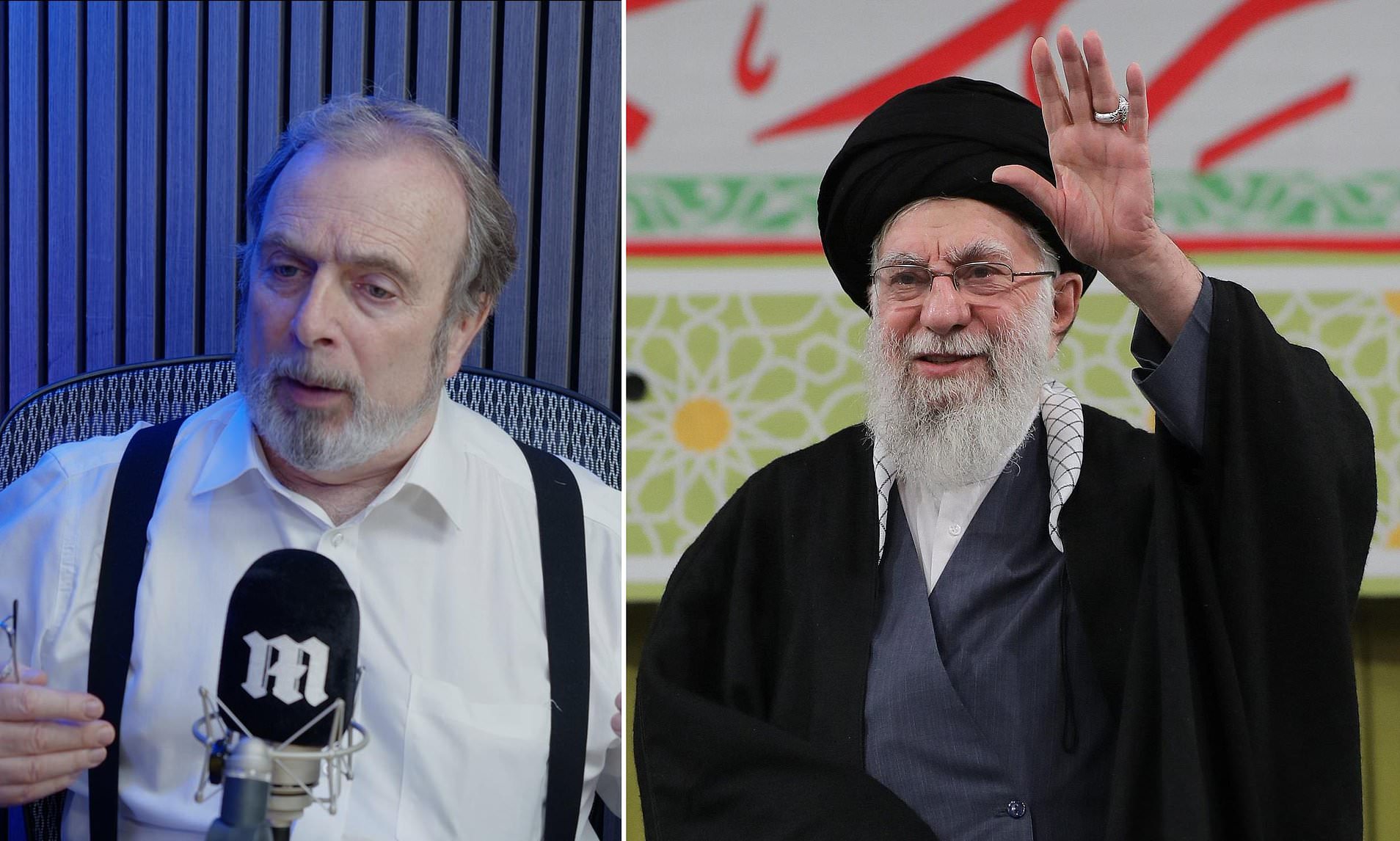
A strategy of targeted assassinations against religious, political, and military leaders in Iran, championed by the United States and Israel, is forging a dangerous precedent that could ultimately see members of their own administrations become targets. This stark warning comes from veteran columnist Peter Hitchens, who argues that such a policy, if pursued without restraint, opens the door to reciprocal actions against Western nations.
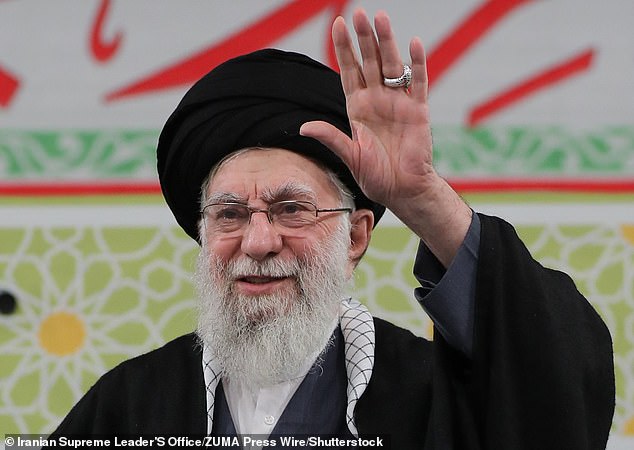
The recent events in Iran, particularly the alleged Israeli missile strike on February 28, 2026, which reportedly killed Supreme Leader Ayatollah Ali Khamenei along with his daughter, granddaughter, daughter-in-law, and son-in-law, alongside other officials, have amplified these concerns. While public celebrations erupted in some quarters following Khamenei’s demise, analysts have raised questions about the strategic wisdom of eliminating an aging leader already facing internal dissent, thereby potentially transforming him into a martyr figure.
Hitchens posits that this approach to foreign policy could usher in a nightmarish scenario where a global superpower, such as China, might seek to eliminate a US President. He paints a vivid picture: “Just imagine, if you would, ten years hence, the Western nations are at war with China over Taiwan, not a totally impossible scenario. And one morning, shortly after this war begins, the President of the United States is sitting in the Oval Office in the White House, and he and his entire entourage are killed by a Chinese hypersonic missile.”

Sacrificing the Moral High Ground
The core of Hitchens’ argument lies in the erosion of the moral authority of nations that resort to such methods. He contends that “Whatever moral advantage we may have had, we’ve sacrificed by using these methods and left it open to any of our future enemies when they develop the same capacity to do the same to us.” The inevitable outcry in Western media following any such attack on American political figures would be immense, Hitchens predicts.
He elaborates, “I have no doubt that the media of the Western countries would be full of horrifying pictures of the carnage and the ruins, and everybody would go on the television, and indeed on social media, to say what a despicable act this was. I’m pretty certain they’d call it cowardice, and almost certainly they call it barbaric. In my view, they’d be right.” However, he cautions that any such condemnation would be met with a potent counter-argument: “But the Chinese would would turn around and say, ‘Well, hang on a minute. You do this too. Why do you complain?’”
A Pattern of Targeted Eliminations
While Ayatollah Ali Khamenei is presented as a significant target, the past month has seen a series of other high-profile political, religious, and military figures in Iran reportedly fall victim to targeted operations. Hours after Khamenei’s reported death, Ali Larijani, Iran’s national security chief, who was widely believed to be a de facto leader and a key architect of the country’s security apparatus, reportedly vowed revenge on social media.

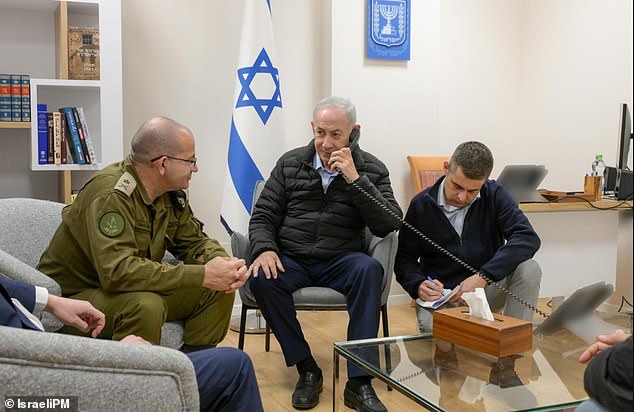
However, Larijani himself is alleged to have been assassinated in a clandestine operation shortly thereafter. Israeli authorities reportedly received intelligence indicating his presence at a hideout apartment near Tehran, away from his usual residence. Under the directive of Prime Minister Benjamin Netanyahu, precise strikes were allegedly carried out, with an Israeli security source reportedly stating with confidence, “There is no way he survived this attack.” Israel has not shied away from publicizing its policy of assassination, with the Prime Minister’s office even releasing images of Netanyahu reportedly ordering the elimination of senior Iranian figures.
Echoes in American Policy
While the prospect of a Chinese missile strike on the US President remains a hypothetical scenario, the inclination of foreign powers to assassinate political leaders is a concern that appears to resonate within the American political establishment. Following the reported death of Ali Khamenei, President Trump was quoted as saying, “I got him before he got me. They tried twice. Well, I got him first.”
This apprehension is not new to US political circles. The assassination of Iranian military leader Qasem Soleimani on January 3, 2020, by a US drone strike as he traveled to meet the Iraqi Prime Minister Adil Abdul-Mahdi, ordered by President Trump, serves as a stark reminder. Soleimani, a prominent figure within Iran’s Islamic Revolutionary Guard Corps (IRGC), was commander of its Quds Force. In retaliation, members of the IRGC were reportedly planning to assassinate former US National Security Advisor John Bolton. The Department of Justice has indicated that Shahram Poursafi, also known as Mehdi Rezayi, allegedly attempted to offer individuals in the United States $300,000 to carry out the murder in Washington D.C. or Maryland.
The Broader Debate on National Security
These events underscore a critical debate about the ethics and efficacy of using assassination as a tool of foreign policy. The potential for escalation, the erosion of international norms, and the moral compromise involved are all significant considerations that extend beyond immediate tactical gains. The long-term implications of such a strategy, as articulated by Hitchens, suggest a future where nations might find themselves vulnerable to the very tactics they have employed. The question remains whether the pursuit of perceived security through targeted killings ultimately leads to greater insecurity for all involved.