ODM’s Strategic Push for Deputy Presidency in 2027 Elections
The Orange Democratic Movement (ODM) party is making a determined bid to secure the deputy presidency in Kenya’s 2027 General Election. This ambitious agenda has been a consistent theme, spearheaded by figures like Siaya Senator Oburu Oginga, who has vocalized the party’s stance: “We cannot be in government without power.” This push, however, is not without its internal and external challenges, particularly facing resistance from certain factions within the ruling United Democratic Alliance (UDA), with whom ODM has formed a broad-based alliance to ensure governmental stability.
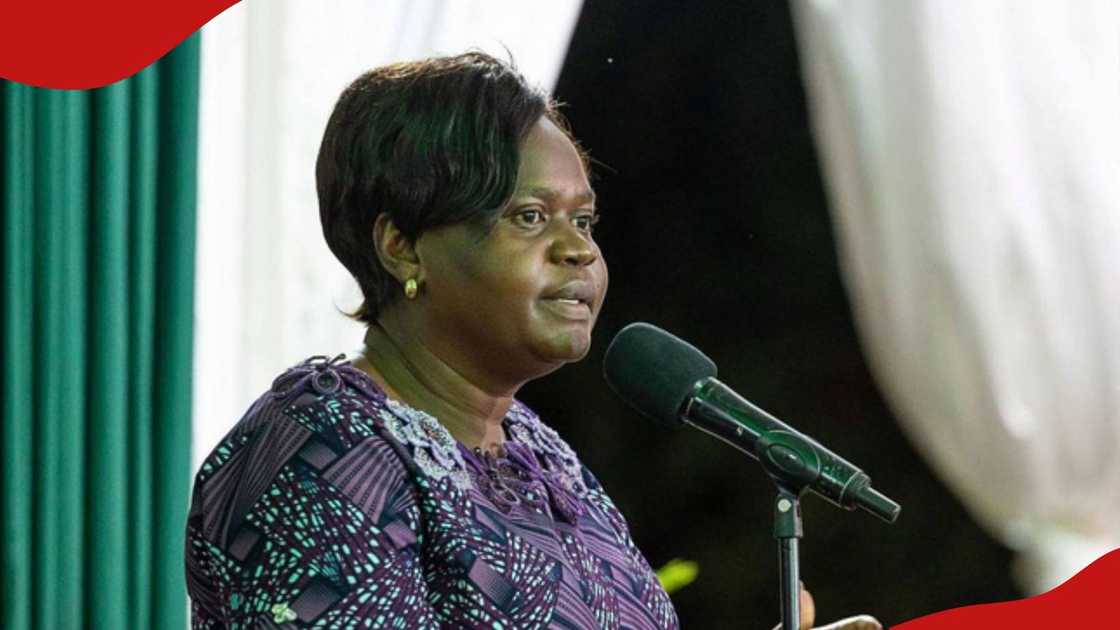
The ODM’s strategic objective is rooted in the fundamental principle of political engagement: to be in a position of influence and decision-making. As Homa Bay Governor Gladys Wanga articulated, “Every political party, including ODM, was purposefully formed to capture power and to be in a position to resolve pressing issues.” She emphasized that the current broad-based government arrangement positions ODM as an equal partner, but argues that certain critical issues cannot be effectively addressed without a more significant role in the subsequent administration.
Hassan Joho: A Potential Candidate for the Second-Highest Office
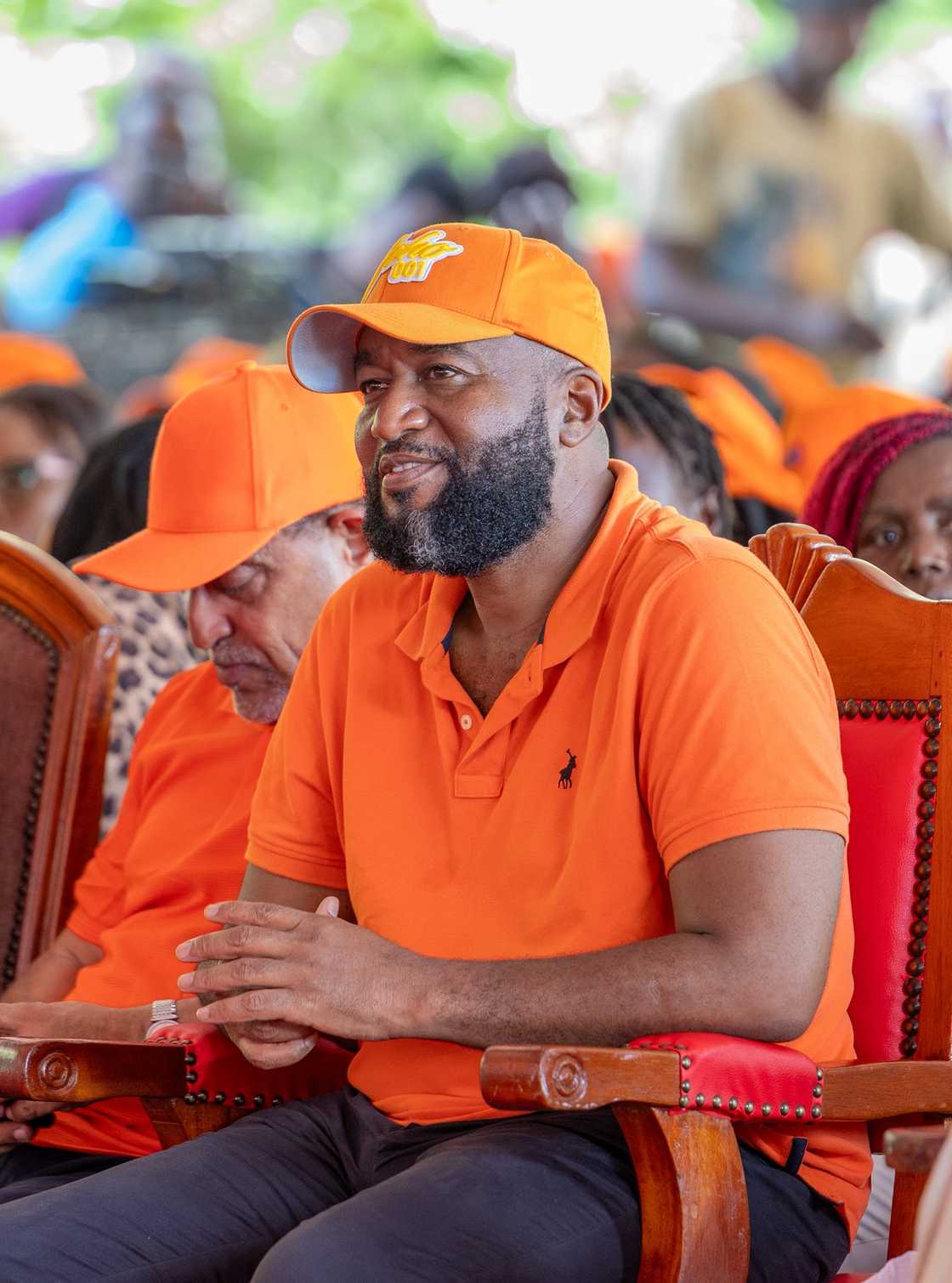
Governor Wanga’s recent remarks have brought the potential candidacy of Cabinet Secretary Hassan Joho into sharp focus. Speaking during a radio interview, she expressed support for coastal leaders who have advocated for Joho to replace the incumbent Deputy President Kithure Kindiki in the upcoming polls. Wanga stated, “Joho is capable of taking that position. What I want for us as a party is to sit at the table as equal partners. We cannot be without power.” This endorsement signals a strategic consideration within ODM to leverage Joho’s political stature and regional appeal for the deputy presidential ticket. The party’s insistence on being at the “table” highlights a desire for parity and a significant voice in national governance, moving beyond mere participation to substantial influence.
The ODM’s pursuit of the deputy presidency is a calculated move to solidify its political relevance and ensure its policy agenda is effectively implemented. The party leadership believes that without holding a significant executive position, their ability to enact meaningful change and address the concerns of their constituents is significantly hampered. This stance underscores a broader trend in Kenyan politics where parties seek not just representation but executive power to translate their manifestos into tangible outcomes. The alliance with UDA, while aimed at national unity and stability, has also created a complex dynamic where ODM must assert its interests strategically to avoid being overshadowed.
Governor Wanga Clarifies Her Political Ambitions
Amidst speculation about her own potential role in the 2027 elections, Governor Gladys Wanga has been keen to clarify her immediate political focus. Addressing rumors that she might be considered as President William Ruto’s running mate, Wanga firmly stated, “I am the governor of Homa Bay and seek re-election in the same post because I have worked so hard and have the opportunity to retain the seat.” She stressed that political negotiations should not be centered on individual ambitions but rather on the party’s broader objectives and the collective good.
Wanga’s assertion highlights a common political tactic: deflecting personal ambition to emphasize party strategy and performance. Her commitment to her gubernatorial role in Homa Bay, coupled with her emphasis on her track record, serves to strengthen her position within the party and reassure her constituents. However, her prominent role in advocating for ODM’s strategic goals, including the pursuit of the deputy presidency, indicates that her influence extends beyond her county.
Addressing Internal Party Dynamics and Dissent
The ODM party has also been navigating internal challenges, particularly regarding recent appointments and decisions. Governor Wanga addressed criticisms from a faction, reportedly led by former Secretary General Edwin Sifuna, concerning the swearing-in of Oburu Oginga as party leader. Wanga defended the process, noting that Sifuna himself officiated the ceremony at the national governing council meeting in Mombasa, with support from MPs Babu Owino and Caleb Amisi.
“We should stop this issue of doing things and later criticising them,” Wanga urged, calling for greater unity and adherence to established party procedures. This statement reflects a broader need within political parties to manage internal dissent constructively and ensure that organizational decisions are respected. The criticism, which alleged procedural impropriety, indicates underlying tensions that ODM must address to maintain a cohesive front as it pursues its ambitious electoral goals for 2027. The party’s ability to unite its members and present a strong, unified message will be crucial for its success in the upcoming general election.