Cleophas Malala Addresses Mole Accusations and Political Dialogue
Cleophas Malala, the deputy party leader of the Democracy for Citizens Party (DCP), has firmly rejected accusations that he is a “mole” working with President William Ruto. In a direct response to these claims, Malala emphasized that no amount of political pressure could silence him.
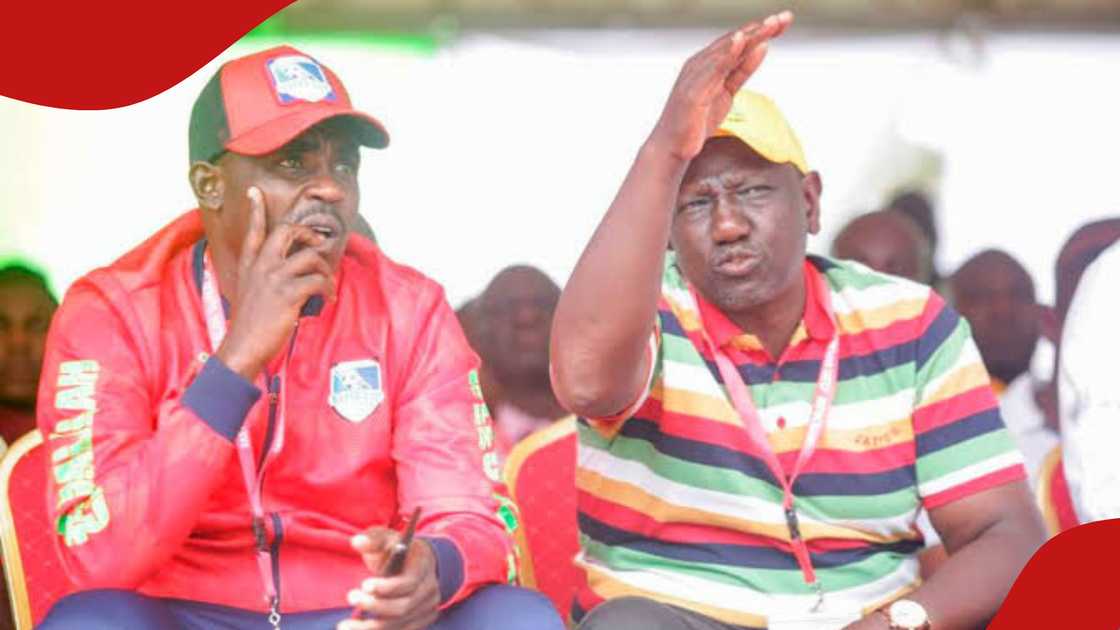
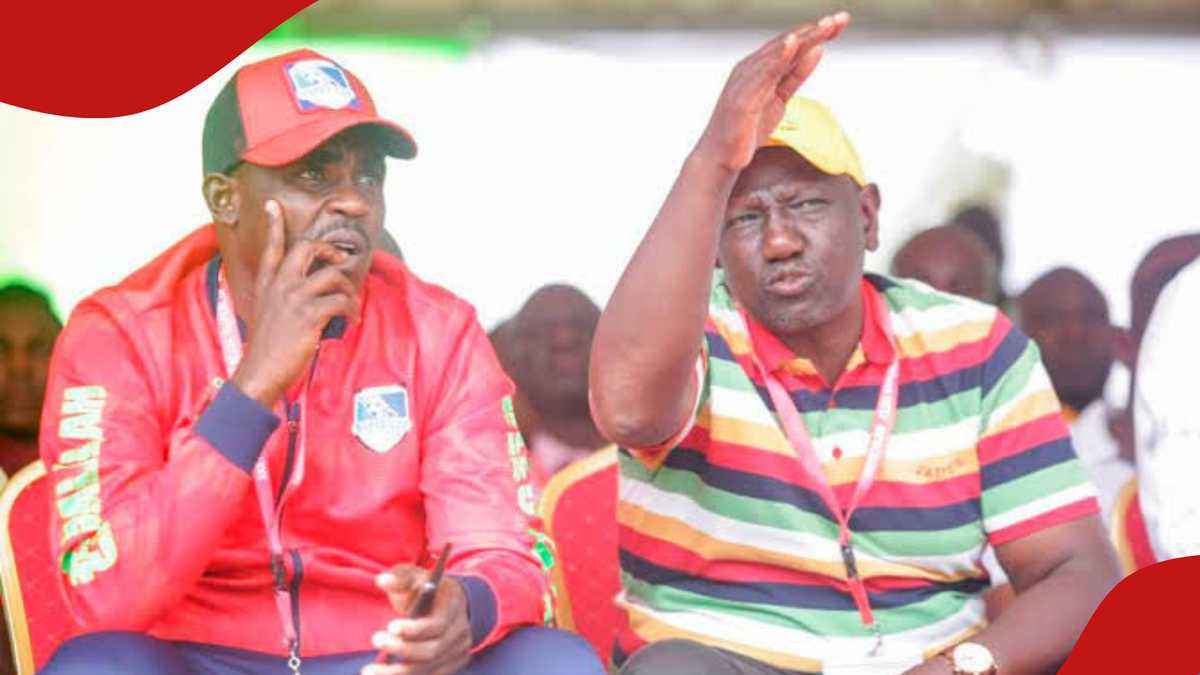
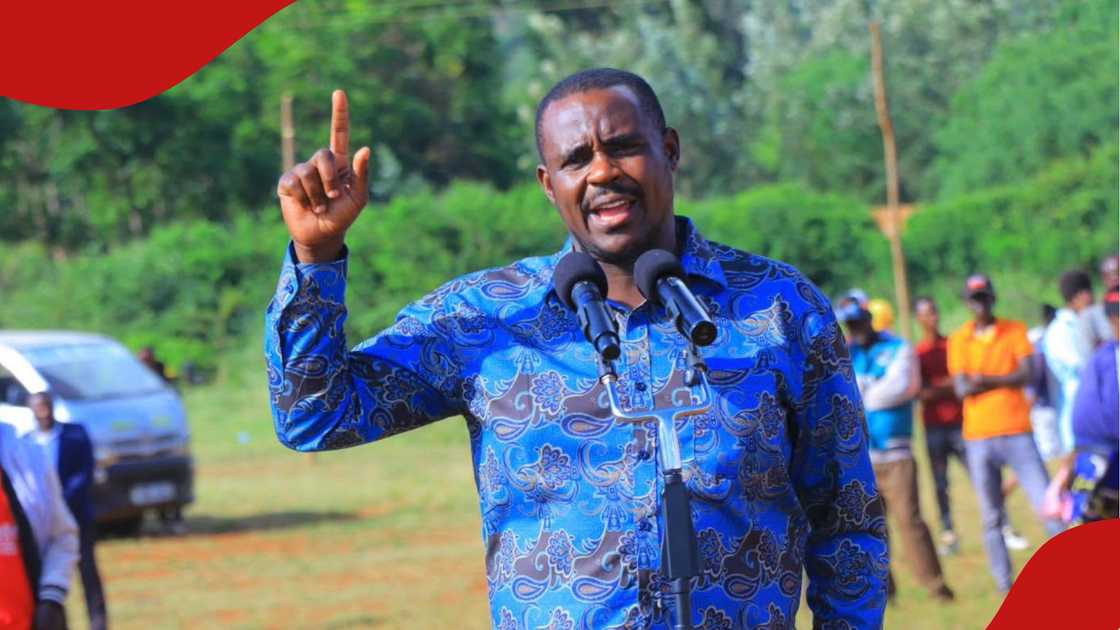
In an interview broadcast by Amaica Media, Malala addressed the “mole” label head-on. Seated outdoors in a relaxed but animated exchange, he made it clear that he would not be intimidated.
How Malala Challenged the Mole Narrative
Rather than dismissing the allegations quietly, Malala turned the spotlight on the broader political behavior. He pointed out that the same critics who accused him often maintain their own lines of communication with rivals. He questioned where the outrage was when others did the same.
He stated, “Akasema huyo mtu amenunuliwa sijui nyumba, amehongwa, amefanya nini? Hao watu wote sahii wako wapi? Kule. So mwache kuniangalia mimi nikisema kitu. Na tena mimi sio mtu wa kuintimidiwa. Ukiiniita mimi mtu William Ruto, naeza enda hata kwa William Ruto. Mimi sio mtu wa kutishwa na kufanywa nini.”
Malala further argued that political conversations across enemy lines are more common than the public is told. He cited examples such as President Ruto and former Deputy President Rigathi Gachagua, as well as Gachagua and Prime CS Musalia Mudavadi. He suggested that behind-the-scenes dialogue is part of how politics operates.
“Na hao watu wote wanaongea. Hata William Ruto, saa zingine usipochunga anapiginanga Rigathi Gachagua simu. Saa zingine Rigathi Gachagua, huyu saa zingine anapigia Musalia Mudavadi. Tusidanganyane. Hatuwezi kukosana kwa sababu ya siasa. Wananchi wanafaa waembiwe kwamba hawa wanasiasa wanaongea,” Malala stated.
Did Malala Talk with Wetang’ula?
One of the most striking moments of the interview came when Malala disclosed that he had spoken directly with National Assembly Speaker Moses Wetang’ula the day before. He admitted that the discussion had not ended on good terms, noting that the two leaders had disagreed despite engaging each other.
Malala added that their exchange had taken place through personal communication and insisted he could even produce the messages as proof.
“So mimi kuanza kunipatia hii kitu ati mimi ni mole, hiyo kitu mutaongea mpaka siku ile mtakufa. Mimi naongea, nitaongea na kila mtu. Ni haki yangu kuongea na kila mtu. Na musidanganywe ya hakuna mtu haongei na mtu. Mimi jana nimeongea na Wetang’ula. Jana. Eh, na nitakuonyesha hata ujumbe wetu. Tumeongea na yeye tumekosana lakini tumeongea,” he said.
He argued that disagreement should not mean the end of communication, and that politicians doing exactly this was something voters deserved to know about openly, rather than have dressed up as a scandal.
Is Malala on His Way Back to UDA?
Malala has faced growing scrutiny since mid-2026, when his reduced presence within DCP coincided with meetings involving Ruto-allied figures. Kakamega governor Fernandes Barasa previously accused him of reaching out to the president through intermediaries.
Malala has consistently called such claims government-sponsored attempts to fracture the opposition ahead of 2027. He maintains that these accusations are designed to undermine the unity of the opposition and create divisions among political allies.