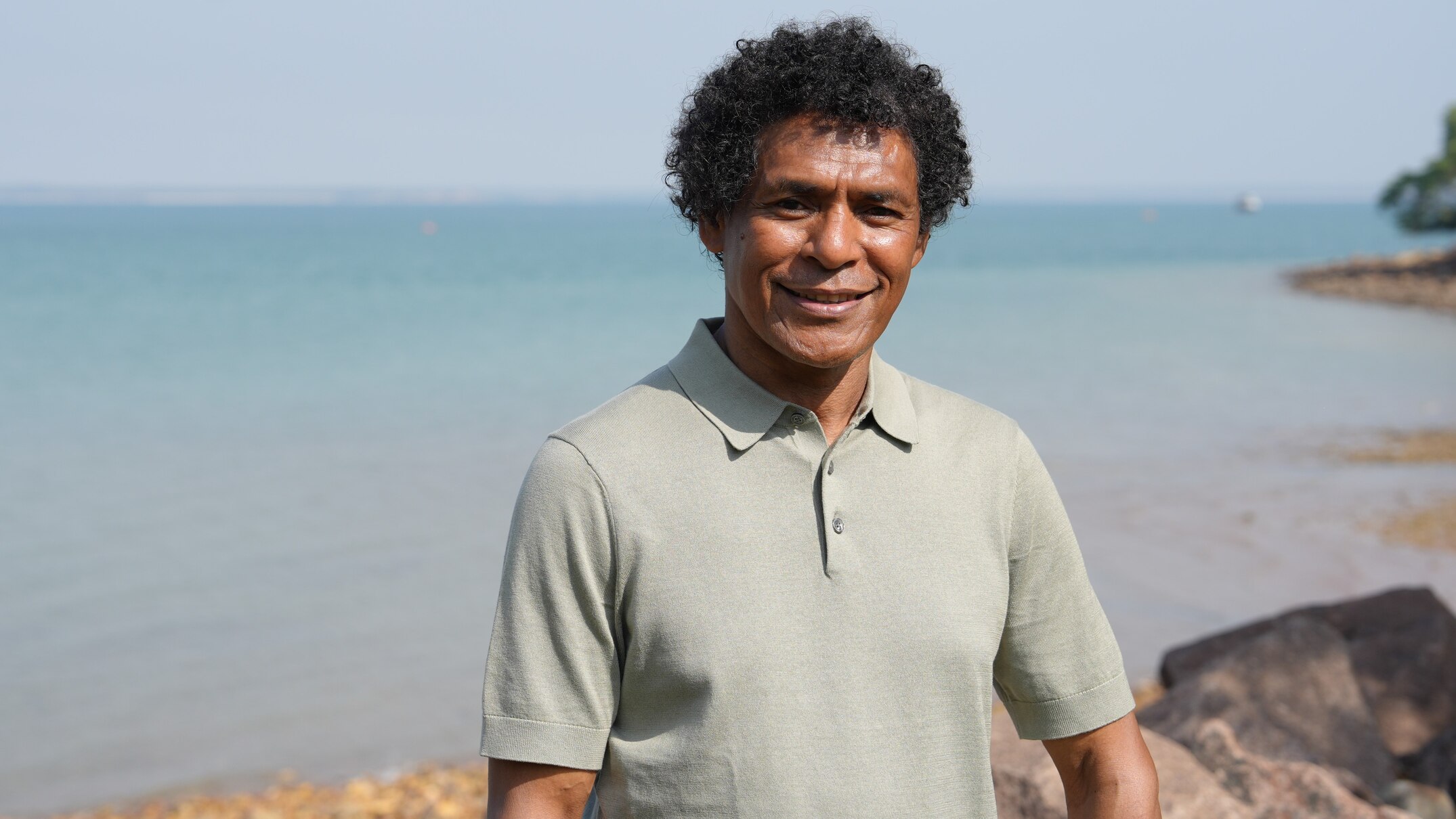
The tumultuous early years of Jose da Costa’s life were shaped by conflict and the desperate fight for freedom. Born in 1976, a year after Indonesia’s invasion of the Portuguese territory then known as East Timor, his earliest memories are of his family fleeing into the “bush” to survive. This was the harsh reality for many Timorese during the ensuing 24 years of occupation, a period that tragically claimed the lives of over 100,000 people in the relentless struggle for self-determination.
The violence was stark and brutal. The 1991 Dili Massacre, where Indonesian soldiers opened fire on peaceful Timorese protesters, resulting in more than 250 deaths, sent shockwaves across the region. In Darwin, hundreds of kilometres away, mass protests erupted in solidarity with the Timorese people.
For Mr da Costa and his family, the 1980s were marked by constant fear and evasion. His family spent the first three years of his life hiding in the dense jungle, a precarious existence that ended when they were captured while attempting to surrender to Indonesian forces. The consequences were severe: they were forbidden from returning to their home village, prevented from cultivating their land, and subjected to house arrest.
In this oppressive environment, Mr da Costa found a clandestine path towards resistance. He joined a youth movement dedicated to fighting for independence, guided by seasoned activists who had already endured immense hardship. “Some of them were killed, some of them got arrested and put in prison,” he recounted, highlighting the immense risks involved. “So our struggle for independence very much was oppressed, crushed.”
An Audacious Escape to Freedom
The year 1995 marked a pivotal moment for Mr da Costa and a group of like-minded individuals. Recognising the dire need to continue their fight for independence from a place of safety, they orchestrated a daring plan to escape East Timor by sea. Their objective was to seek political asylum in Australia, a nation that would eventually become a crucial ally in Timor-Leste’s journey to independence.
The departure was fraught with secrecy and emotional turmoil. Mr da Costa penned a farewell note to his mother, but the pervasive atmosphere of distrust made it impossible to find anyone he could safely entrust with delivering it. Consequently, he left without a word to his family, embarking on a perilous voyage with 17 other asylum seekers, including a six-month-old infant.
Their vessel, a small fishing boat named the Tasi Diak – which translates to “good sea” – was their only hope. The journey was a terrifying ordeal, a testament to their desperation. “It was the most frightening journey at that time,” Mr da Costa recalled. “One of the most frightening things was we could not swim. We didn’t have any life jackets, [and] we only relied on a small engine with one piston, so if the machine breaks down that [was] very much the end of our life.”
Against all odds, after six harrowing nights adrift, the Tasi Diak and its courageous passengers reached Darwin. This remarkable crossing stands as the only successful sea journey between East Timor and Australia during the 24 years of Indonesian occupation, a symbol of resilience and a desperate plea for a better future.
‘The Good Sea’: A Decade of Dedication Unveiled
The extraordinary story of the Tasi Diak’s voyage and the broader struggle for Timorese independence has now been meticulously chronicled in a new book, The Good Sea. This compelling narrative is the culmination of ten years of dedicated research by author Vannessa Hearman.
Ms Hearman’s involvement with the Timor solidarity movement began in 1991, in the wake of the Dili Massacre. As an Indonesian-born individual, she felt a profound sense of responsibility. “I thought if people are doing this in the name of Indonesia and Indonesian people, me being Indonesian-born, I wanted to do something about this in Australia,” she explained.
Upon arriving in Darwin, some of the Tasi Diak survivors were transferred to a detention centre in Western Australia. Eventually, a portion of the group relocated to Melbourne, where they lived on bridging visas. It was within the vibrant Timorese resistance movement in Melbourne that Ms Hearman first encountered some of the refugees, including Jose da Costa. However, it wasn’t until many years later that she delved deeply into the intricacies of their remarkable journey.
After reconnecting with Mr da Costa, who had since become a filmmaker, Ms Hearman was deeply moved by his animated documentary, Jose’s Story, which vividly depicted the boat trip. This personal account solidified her resolve to share their story with a wider audience.
“It was a political mission by the East Timorese resistance,” Ms Hearman stated, emphasising the strategic importance of their escape. She believes it is crucial for Australians to understand the complex history of their relationship with both Indonesia and Timor-Leste, acknowledging the “good and the bad.”
The Good Sea was officially launched at the NT Writers Festival, a fitting occasion to honour the courage of those who risked everything for freedom and to foster a deeper understanding of this significant chapter in regional history.