Global Summit Tackles Gender Inequality Amidst Rising ‘Manosphere’ Influence
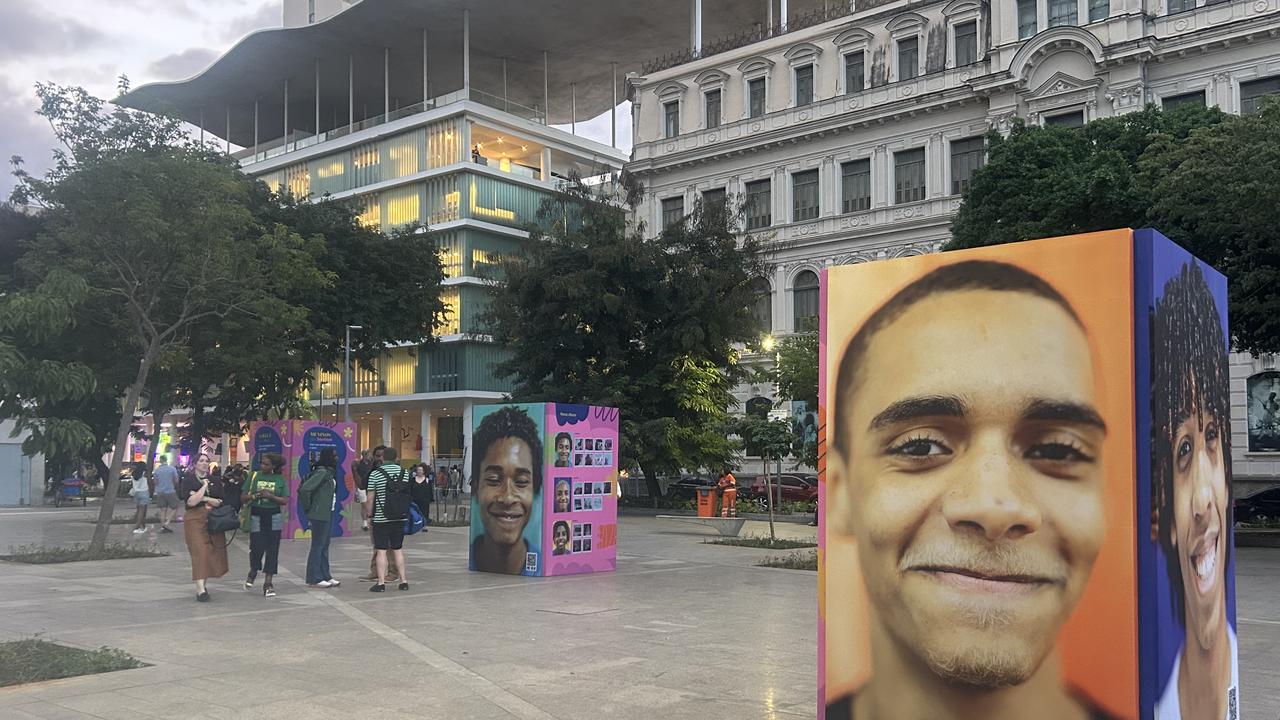
Rio de Janeiro, Brazil – In a significant global gathering, the Boys and Men Festival has convened in Brazil’s second-largest city, bringing together hundreds of activists, advocates, and experts from across the world, including representatives from Australia. The summit takes place at a crucial moment for both feminist movements and discussions around masculinity, particularly in light of the increasing influence of toxic ideologies within the online “manosphere” on men and boys.
The overarching message resonating throughout the festival is clear: gender inequality is not a niche issue, but a pervasive problem that negatively impacts everyone, and collective action is required to dismantle it.
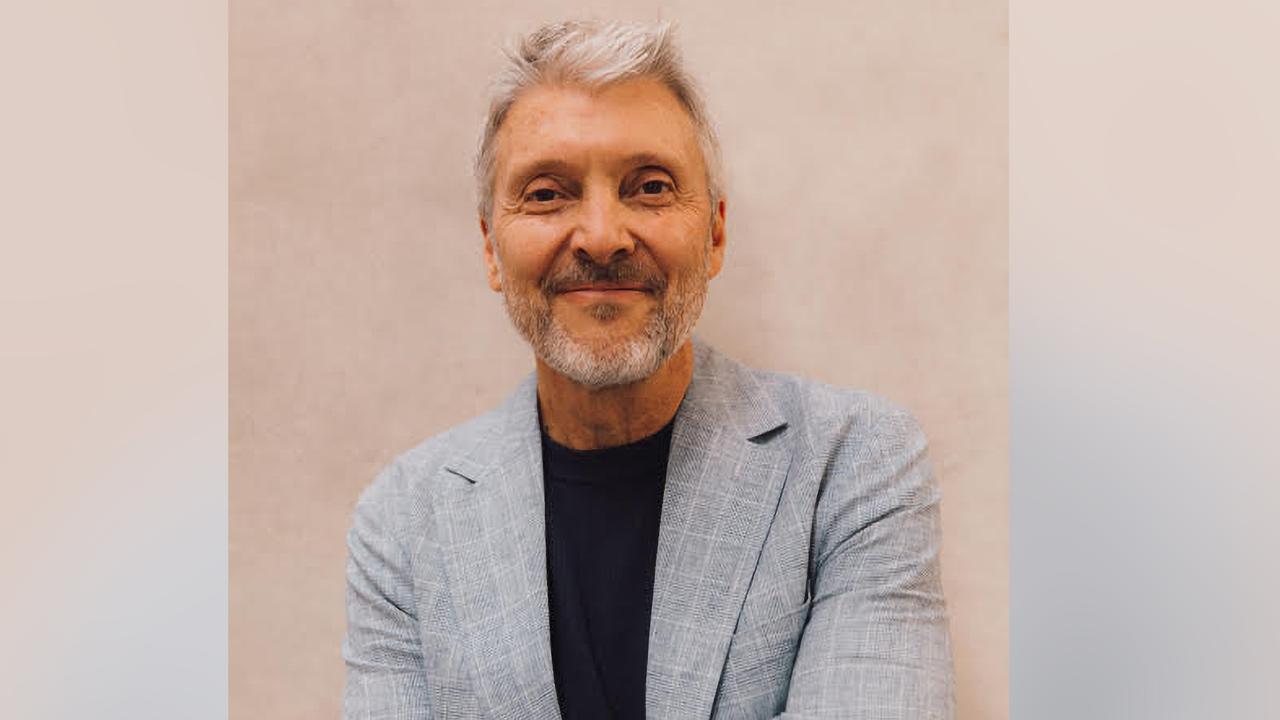
Gary Barker of Equimundo, speaking at the festival’s opening, acknowledged the inherent difficulties in these conversations. “This should be difficult, these are tough conversations about our power,” he stated. “We get doors to open for us because we’re men. And yet, all the women – who have been carrying the weight for the women’s rights work – are not getting into the spaces that sometimes we are.” This sentiment underscores a key objective of the festival: to foster a deeper understanding of how patriarchal structures can inadvertently exclude those who have historically led the fight for gender equality.
Jude Kelly, founder of Women of the World and a co-convener of the event, highlighted Brazil as a particularly “profoundly sophisticated” policy-making environment for such discussions. South America’s most populous nation boasts some of the world’s most progressive gender policies, including efforts to enact legislation that would criminalise misogyny.
However, Brazil also faces a stark reality of extreme gender-based violence. The nation grapples with one of the highest rates of femicide among major economies, with an average of four women being killed each day. In the first quarter of 2026 alone, Brazil recorded 399 femicides, the highest number since the crime began to be tracked 11 years prior. This highlights the urgent need for continued advocacy and policy reform, even in a nation with progressive intentions.
Beyond gender, Brazil also contends with deep-seated racial inequalities. Afro-Brazilians, who constitute approximately 56 per cent of the population, hold disproportionately few positions of power, face elevated risks of violence, and experience poorer health, education, and living conditions. These intersecting inequalities form a complex backdrop against which the festival’s discussions on gender equality unfold.
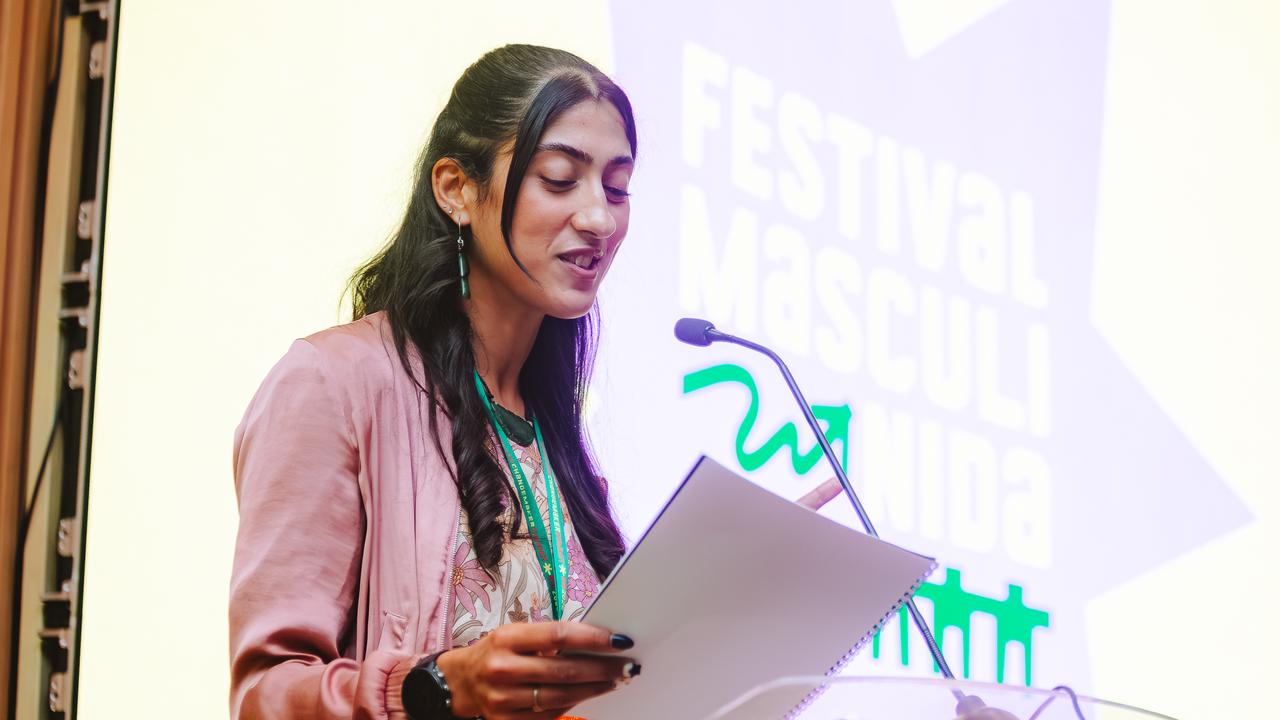
The festival commenced with a vibrant display of culture, featuring poetry, music, and dance. A particularly poignant moment was delivered by New Zealand-Palestinian writer Sara Qasem, who shared a powerful piece exploring themes of identity and the profound loss of her father, a victim of the 2019 Christchurch mosque shootings.
Throughout the festival, workshops and sessions were dedicated to equipping men and boys with practical skills and knowledge. Activities included learning how to braid hair, fostering better fathering practices, and understanding how to actively support the women in their lives. Crucially, participants were also cautioned about the dangers of online extremism and the pervasive influence of the “manosphere,” a collection of online communities that often promote misogynistic and anti-feminist views.
Addressing Violence and Inequality in Australia
From an Australian perspective, the festival provided a platform for critical dialogue on gender-based violence. Brisbane-based sociologist and researcher Michael Flood participated in a panel discussion on this vital issue, sharing the stage with Regan Mitchell, a Wiradjuri-Ngunnawal woman and the Director of Aboriginal and Torres Strait Islander Strategy at Our Watch.
Dr. Flood articulated a compelling argument for men’s involvement: “Violence against women is a men’s issue and it gives men a bad name… it damages our communities,” he stated. “If we can encourage the idea that violence against women is a men’s issue as well as a women’s issue, then we can start bringing men on board to talk about it.” This perspective emphasizes the shared responsibility in combating violence and highlights the potential for men to be powerful agents of change.
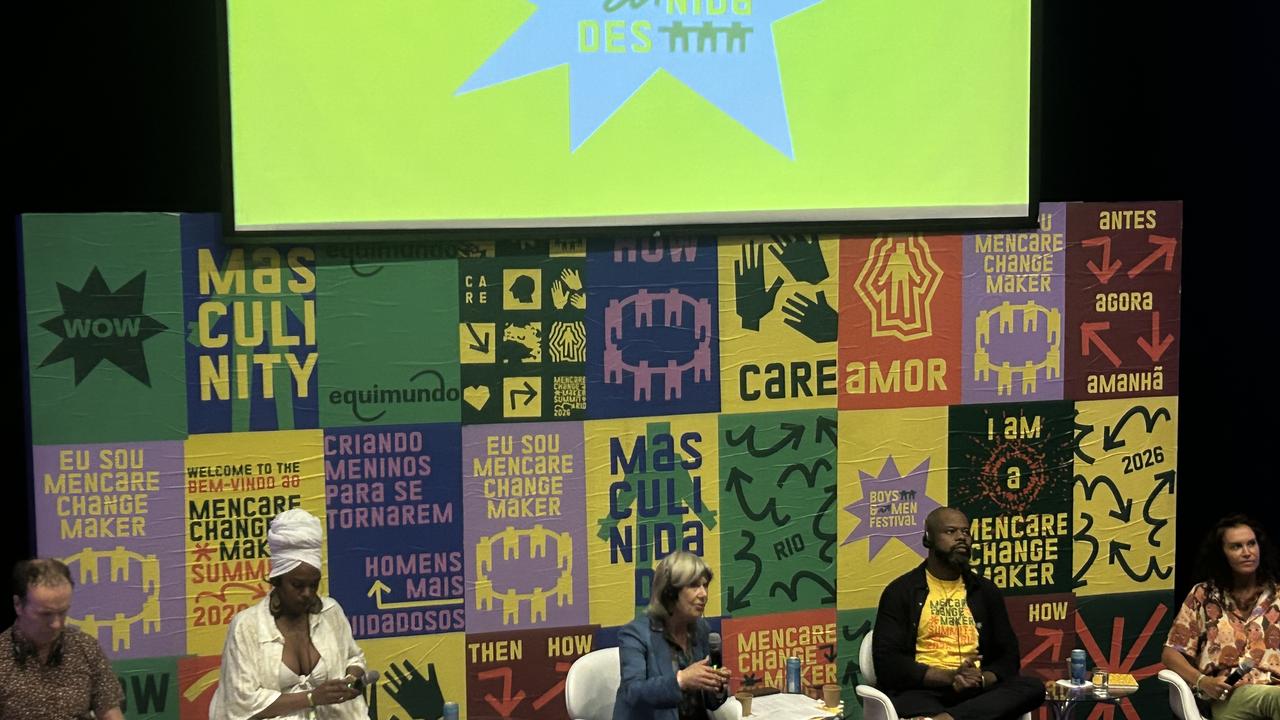
Regan Mitchell brought a crucial Australian context to the discussions, drawing attention to the nation’s own deeply entrenched racial inequalities. She highlighted the alarming statistic that Aboriginal women are killed at a rate nine times higher than other women in Australia. “In Australia, we are all being born into this false narrative, a very dangerous narrative,” she observed. Mitchell further shared a disturbing anecdote, recounting how, under oath during an inquest, senior police officers had stated their belief that “the majority of police do believe First Nations men in Australia are born inherently violent.” This testimony underscores the urgent need to challenge harmful stereotypes and systemic biases that contribute to violence and disadvantage.
The festival concluded with a spectacular display of inclusivity and celebration, featuring a vibrant mini-Carnival performance by LGBTQI dancers.
Looking ahead, organisers have announced plans to host a Boys and Men Festival in Melbourne in October 2027, signalling a commitment to continuing this vital conversation on Australian soil. The journey to Rio de Janeiro for AAP was facilitated with the support of the Minderoo Foundation.