When is a Landlord Legally Obliged to Upgrade Your Air Con?
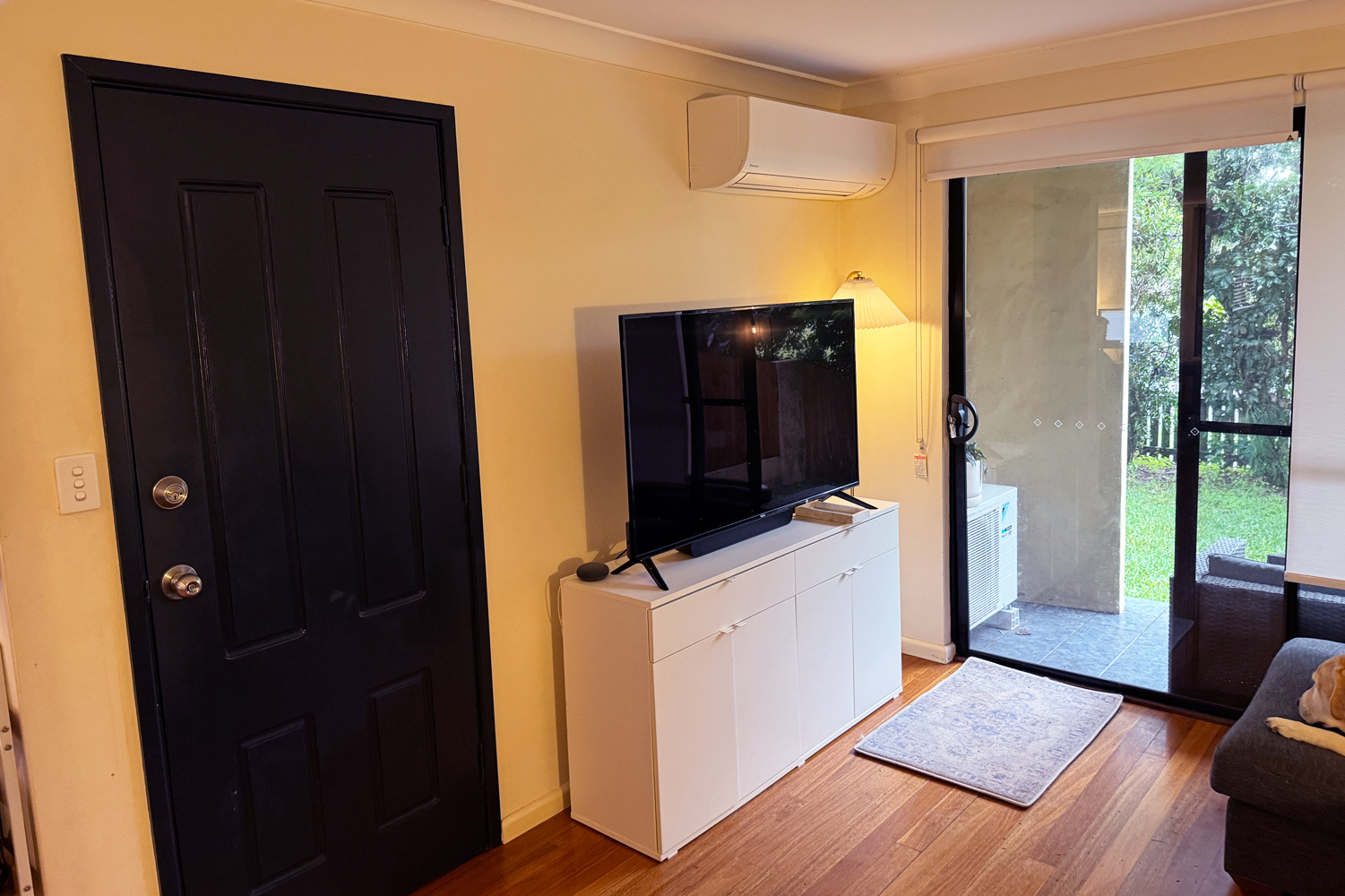
Living in a rental property in Western Australia can come with its own set of challenges, especially when the mercury starts to climb. For one renter, an air conditioning unit that technically works but fails to adequately cool their home during a sweltering heatwave has led to a pressing question: do they have a right to demand a brand-new, $10,000 system?
The tenant, who has been living in the property for 12 months, experienced unbearable heat, forcing them to purchase a fan and a portable air conditioning unit out of their own pocket. While multiple tradespeople were called in and a repairman managed to get the existing unit functioning, the tenant reports it still doesn’t cool the property sufficiently. Having just signed a new 12-month lease, they’ve requested a full replacement, but the landlord is under no obligation to foot the bill for such a significant upgrade.
Understanding Your Rights as a Renter in WA
In Western Australia, landlords have a legal obligation to ensure that rental properties, including any fixtures and appliances provided, are kept in good working order and a reasonable state of repair. This duty is outlined in the Residential Tenancies Act 1987 (WA). Crucially, this legislation considers the age and condition of the property, as well as the rent being paid.
When an appliance like an air conditioner breaks down, the landlord must arrange for repairs within a specified timeframe. Once the item is repaired and operational, the landlord’s legal duty is generally considered to be met. The key distinction here is between a repair and an upgrade.
The Repair vs. Upgrade Distinction
To determine your entitlement, a three-part test is commonly applied across most Australian states, including WA:
- Is the air conditioner a fixture supplied with the property? In this case, yes, it’s a built-in unit.
- Is it faulty or not in “good working order”? This is where the situation becomes nuanced. If the unit runs and provides some level of cooling, it’s likely not considered “faulty” in a way that legally mandates a replacement. The law generally doesn’t require landlords to install newer or more powerful models simply because they would be an improvement. A replacement is typically only mandated when the existing unit cannot be repaired to a functional state, poses a safety risk, or repeatedly fails despite repair attempts.
- Has the landlord failed to repair it within a reasonable timeframe? If the unit breaks down, the landlord must act. However, if it’s operational, even if inefficiently, the urgency of the repair is lessened.
Urgent Repairs: What Qualifies?
Urgent repairs are generally defined as issues that pose a significant hazard, such as electrical faults, gas leaks, burst pipes, or serious security breaches. Landlords are expected to respond to urgent repairs within 24 to 48 hours. For non-urgent issues, the timeframe is typically 14 to 30 days.
While a non-functioning or unsafe air conditioner could be deemed urgent in extreme circumstances (e.g., an electrical hazard), a unit that is merely not cold enough, even during a heatwave, will almost always be classified as a non-urgent matter.
Can “Not Cold Enough” Be a Breach?
There’s a possibility that an air conditioning unit that doesn’t cool adequately could be considered a breach, but only if you can demonstrate that the system is fundamentally “not fit for purpose.” This might occur if the unit is demonstrably undersized for the space it’s meant to cool and cannot reasonably achieve a comfortable temperature, even when operating as designed.
To support such a claim, you would need evidence. This could include:
- Manufacturer specifications for the unit.
- Calculations of the room size.
- Temperature readings taken inside the property during heat events.
However, in practice, tribunals in WA, NSW, and Victoria tend to focus on whether a supplied item is operational and safe. Ordering a landlord to install a higher-capacity unit is rare unless the existing one is irreparable or unsafe.
Practical Steps to Improve Your Chances
While the law may not compel a landlord to replace an air conditioner that technically works, there are several practical steps you can take to improve your chances of a positive outcome:
- Formalise Your Request in Writing: Clearly articulate your request for a replacement, framing it as an “upgrade” and providing specific reasons why the current unit is inadequate. Include any evidence you’ve gathered, such as temperature logs or notes on the impact of the heat on your health and well-being.
- Propose a Commercial Solution: Consider offering something in return. This could be a longer lease term, greater flexibility with scheduling maintenance, or even a modest, agreed-upon rent variation in exchange for a new, energy-efficient unit. Any agreement involving cost-sharing or rent adjustments should be formally documented and included in your lease agreement.
- Protect Your Position: If the air conditioner fails again or becomes unsafe, immediately issue a formal Notice to Remedy Breach and reiterate your request for repairs. Document all communication and actions taken.
- Highlight Health Needs: If the extreme heat significantly impacts a pre-existing medical condition, obtaining a letter from your doctor could strengthen your case for a “reasonable adjustment.” While landlords aren’t typically obligated to fund major upgrades solely based on this, it can add weight to your request, especially when combined with other factors.
Minimum Standards and Future Reforms
Western Australia is currently in the process of developing minimum standards for rental properties as part of Phase Two tenancy law reforms. These reforms are expected to include provisions for heating and cooling. However, at present, no specific minimum standard for air conditioning capacity has been legislated in WA. This contrasts with states like Victoria, which have already implemented minimum standards covering insulation and heating.
Can You Still Ask?
Absolutely. There is nothing preventing you from asking for a replacement, and a landlord is entirely within their rights to agree. Many landlords are amenable to upgrades, particularly if the existing unit is old and likely to require frequent, costly repairs. Retaining a good, long-term tenant who has just committed to a new lease can also be a strong incentive for a landlord to agree to a replacement, especially if the current system’s maintenance costs are approaching its replacement value. Your recent 12-month lease renewal provides genuine leverage in these negotiations.
Disclaimer: This information is for general guidance only and does not constitute legal advice. For advice specific to your situation, please consult a qualified legal professional.