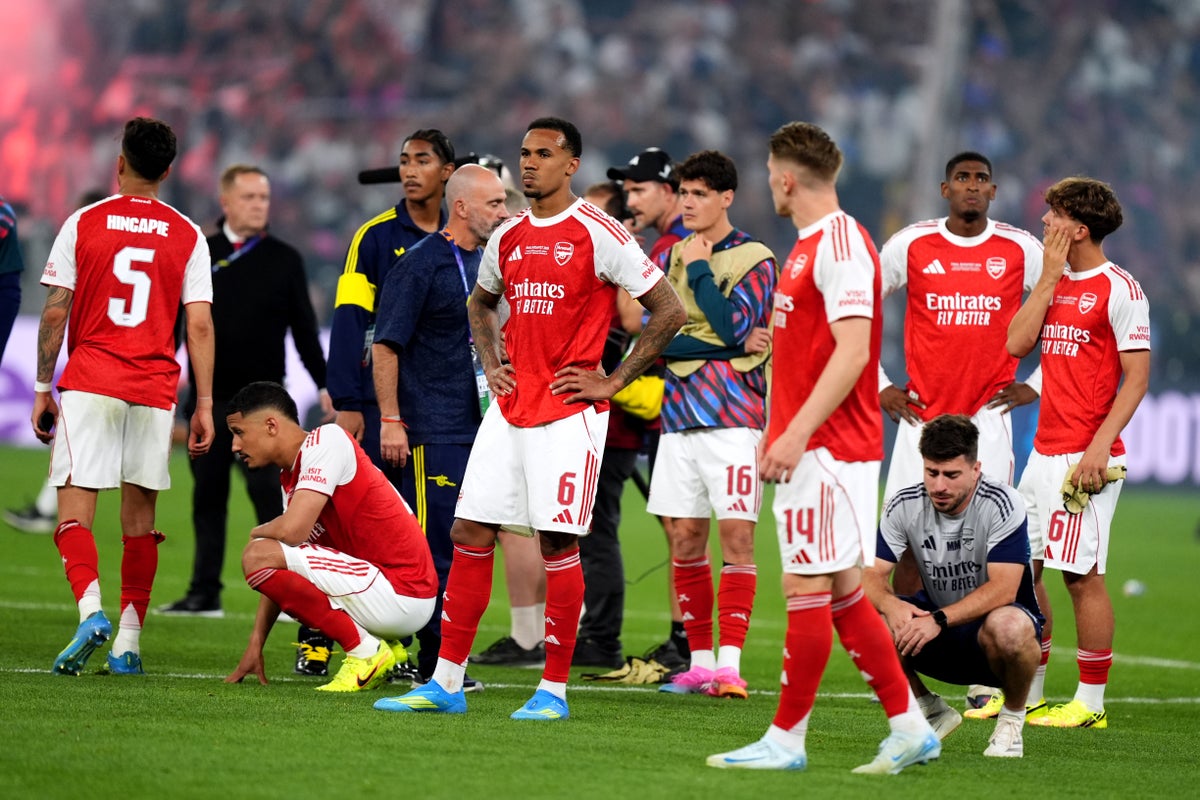
Arsenal’s Champions League Dream Dashed as PSG Clinch Title in Penalty Thriller
Paris Saint-Germain have etched their names in history, securing European football’s most coveted prize once again. However, their triumph didn’t come easy, as they were pushed to the absolute limit by an impressive Arsenal side. Ultimately, the North London club’s quest for Champions League glory remains unfulfilled, with Mikel Arteta’s men falling at the final hurdle in a gruelling penalty shootout. The match, a true test of nerve and skill, was decided on the very last kick, after Gabriel missed Arsenal’s tenth spot-kick.
It’s a poignant, almost poetic, conclusion to an otherwise sensational season for Arsenal, a campaign marked by their dominant league victory. This time, however, a key protagonist in their set-piece mastery found themselves on the wrong side of a high-stakes situation. While it feels harsh to scrutinise any player under such immense pressure, Arsenal’s lingering regret will undoubtedly be the two missed penalties. These efforts sailed wide against PSG’s goalkeeper, Matvey Safonov, who, remarkably, didn’t even have to make a save for either.
This dramatic turn of events perfectly encapsulates the emotional rollercoaster that is professional football, particularly in moments of such heightened significance. Arsenal, renowned for their meticulous analytical approach and strategic planning, found themselves undone by the simplest of set-pieces. Two of their standout performers of the season failed to hit the target from 12 yards.
Of course, it’s not as simple as that. The context of facing a formidable PSG side, backed by significant investment, adds layers of complexity. The sheer emotion involved in a Champions League final can cloud judgment, and this defeat now casts a shadow over an otherwise jubilant season, which saw them lift the Premier League title for the first time in 22 years.
Qatar’s Dominance Continues as PSG Retain European Crown
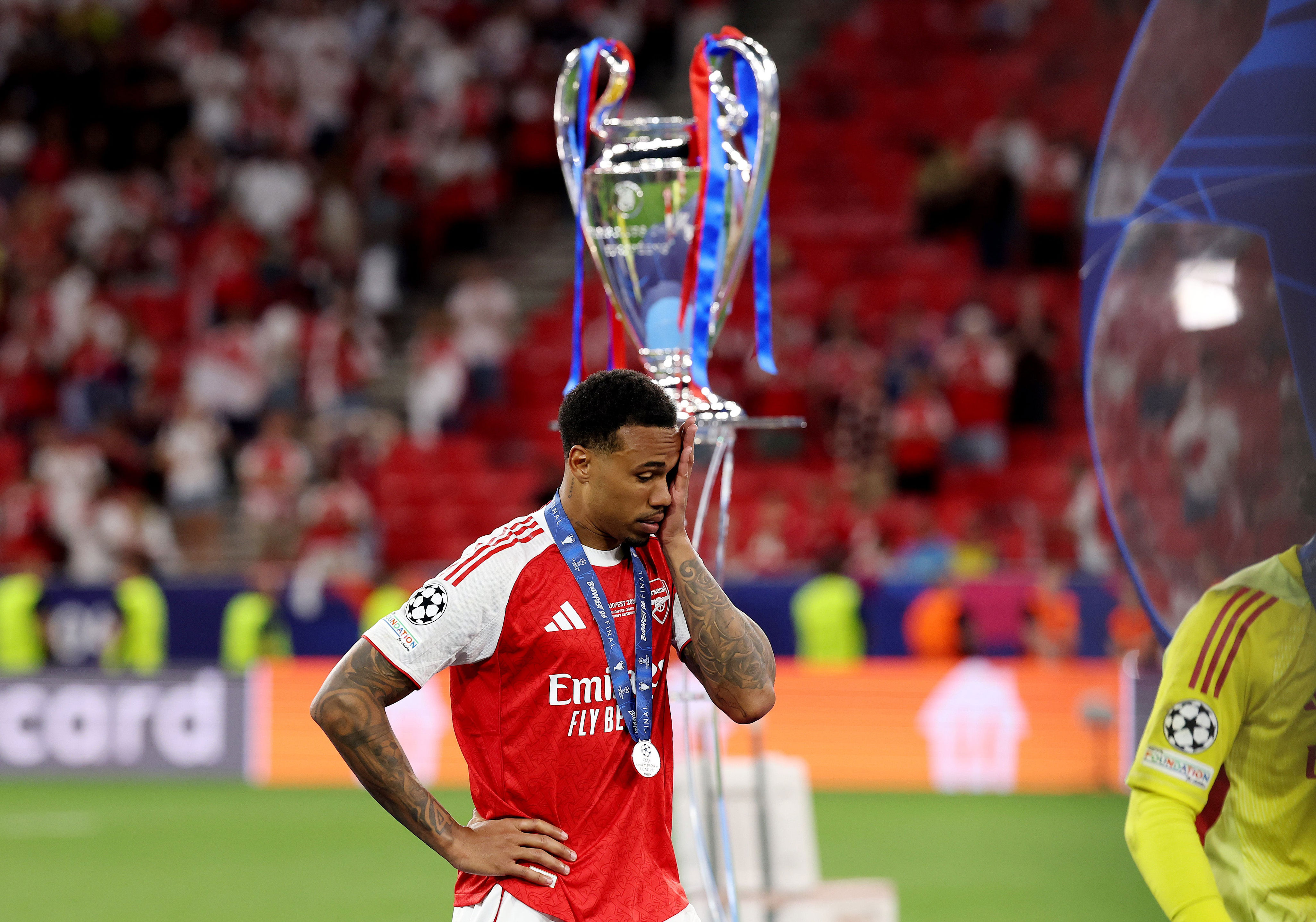
The English champions were unable to ascend to the pinnacle of European club football. Instead, a Qatari-backed sporting project has once again conquered the continent. Arsenal would undoubtedly cherish that European Cup, the one significant trophy that has eluded their illustrious history. For Mikel Arteta, the challenge now is to prevent this final defeat from becoming a haunting memory, and instead, to harness it as a powerful source of motivation.
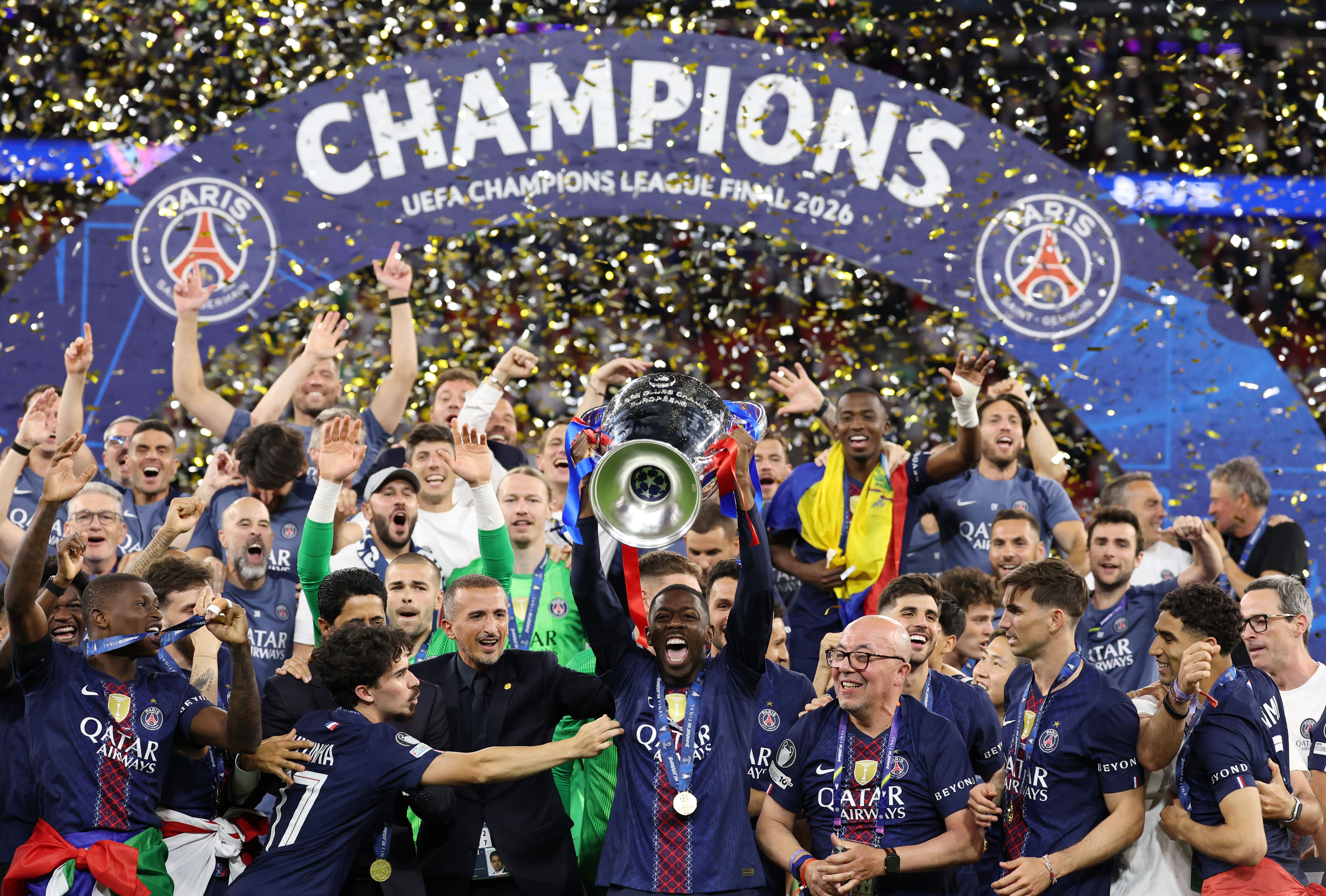
This marked Arsenal’s second-ever Champions League final appearance, and like their first, it ended in defeat. PSG, on the other hand, celebrated their second consecutive Champions League title, becoming the first team since Real Madrid in 2018 to retain the trophy. They join an elite group, being only the eighth club in the competition’s 71-year history to achieve this remarkable feat.
This sustained success speaks volumes about PSG’s inherent quality as a team, despite any reservations one might have about their ownership. Even in a final where they arguably didn’t produce their most scintillating performance, they demonstrated their championship pedigree.
A Tactical Battle Marred by High Stakes
The final itself was a peculiar affair, undoubtedly stifled by the immense pressure of the occasion. PSG, while never truly hitting their stride, managed to create the more significant opportunities. Arsenal, in contrast, showcased a superb defensive organisation and looked threatening on the break, though they struggled to convert that threat into clear-cut chances.
The primary source of frustration for Arsenal will be the fact that they held a lead courtesy of Kai Havertz’s expertly taken sixth-minute goal. For a considerable period, they managed to keep an exceptionally talented PSG side largely at bay – a feat few teams have achieved in a Champions League knockout tie over the past two years.
For the first hour of the match, Arsenal delivered an almost flawless defensive performance. Luis Enrique’s side appeared to lack a clear strategy, struggling to find a way through the resolute Gunners defence. However, the inherent danger of facing a player of Kvicha Kvaratshkelia’s calibre is that he only needs one moment of brilliance.
After 65 minutes of superb marshalling by Cristhian Mosquera, the Georgian winger finally broke free, drawing a foul inside the box. Ousmane Dembele, with his characteristic composure, converted the resulting penalty.
Arsenal’s Missed Opportunities and the Debate on Football’s Soul
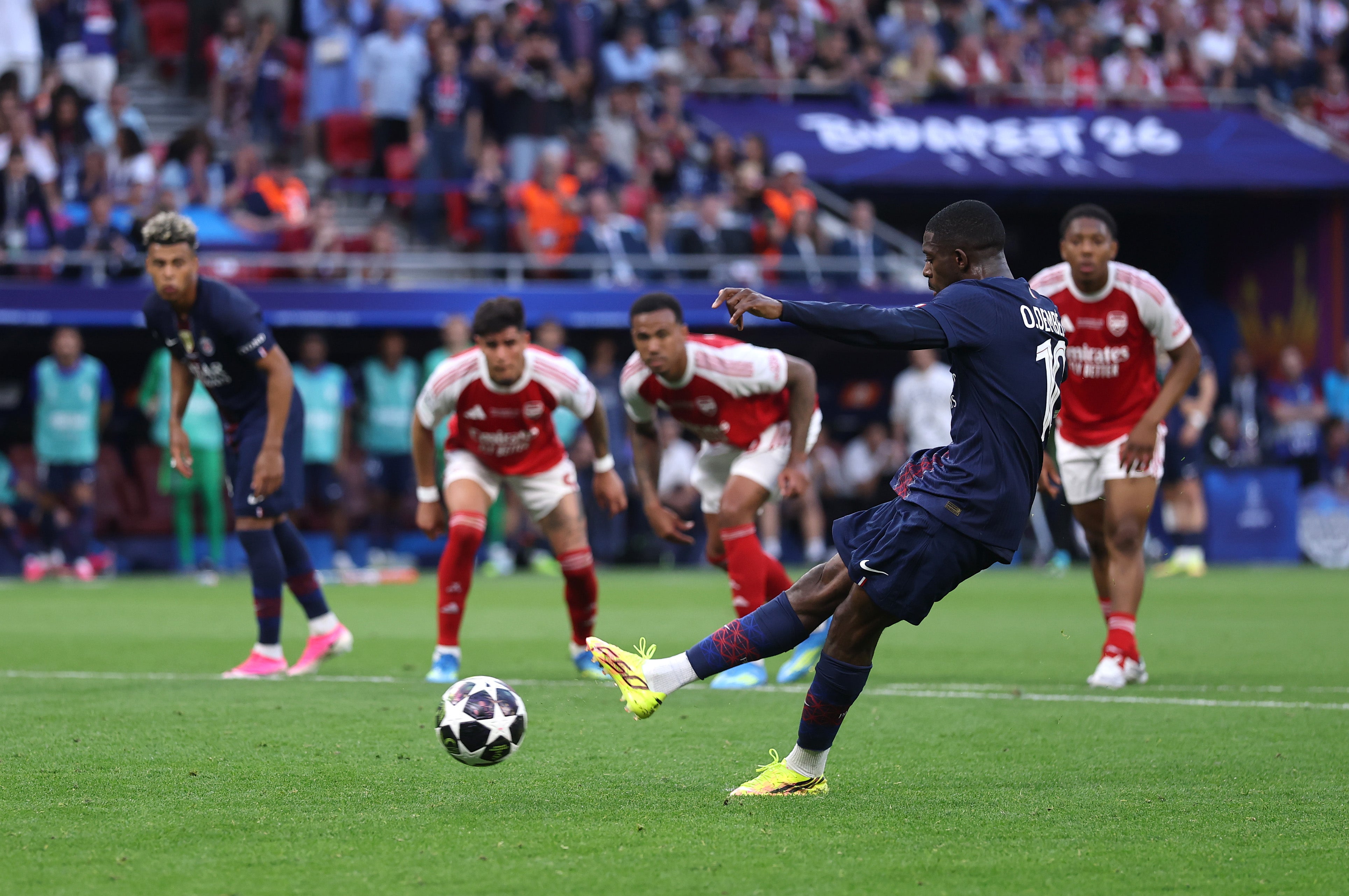
It was at this juncture that the match truly transformed from a tactical chess match into a genuine contest. If there’s one area for Arsenal to reflect on in a final that ultimately hinged on the finest of margins, it’s their inability to build on their early advantage and test Safonov more frequently. PSG’s defence, at times, appeared vulnerable, and Arsenal might have exploited this more effectively.
Nevertheless, it’s important to acknowledge the difficulty of imposing oneself on a team of PSG’s calibre. Many will argue that Arsenal’s pragmatic and defensive approach was ultimately insufficient in a match that represents the pinnacle of club football. They might suggest that such a cautious strategy sends the wrong message about the sport itself.
Arteta could certainly benefit from enhancing his attacking options, both in terms of individual talent and his tactical vision. While the players’ commitment was admirable, one must question whether an attacking unit featuring Viktor Gyokeres, Noni Madueke, and Gabriel Martinelli was truly sufficient to win a Champions League final, or to cap off such an emphatic domestic double. This performance reinforces the perceived need for a higher-calibre left-winger and potentially another dynamic attacker.
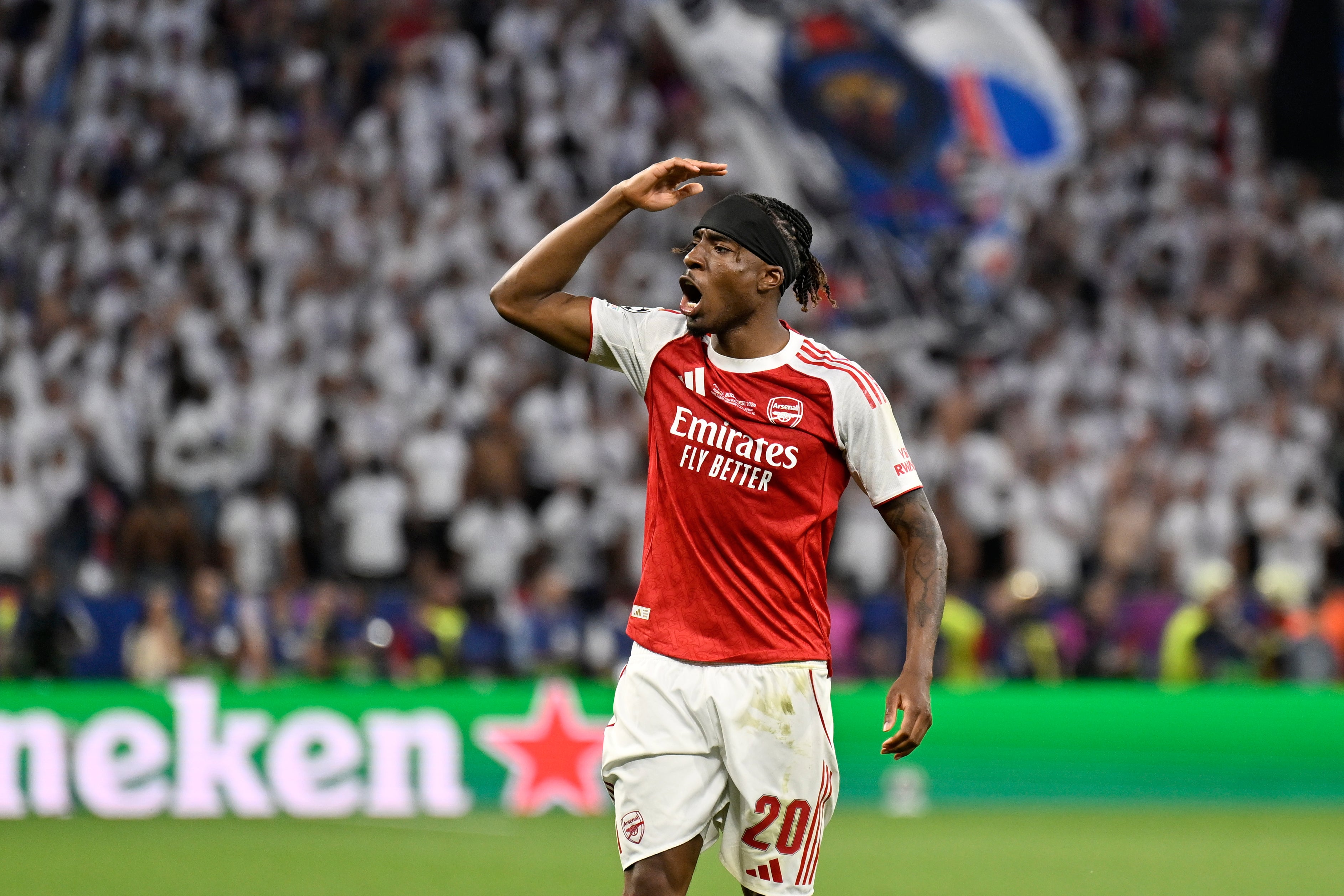
Ultimately, Arsenal allowed the game to be decided by fine margins, and in the end, they were on the wrong side of the outcome. Their game plan was largely effective, but it fell just short of the ultimate prize.
Discussions about the “soul of football” are perhaps best left for another time, as such debates often fall on deaf ears in the immediate aftermath of victory. However, the fact that Qatar has effectively conquered Europe once again remains a staggering reality.
The question lingers: is it truly feasible for an autocratic state to invest such vast sums that they can ascend to the very top of the sport? Can they essentially make European football their own domain? Another source of frustration for Arsenal will be the fact that after the initial stages of the game – which felt like an eternity by the time Gabriel stepped up for his penalty – PSG didn’t appear particularly intimidating.
With Kvaratshkelia and Dembele substituted, PSG lacked their usual attacking thrust. Yet, they still managed to lift the trophy.
Enrique’s Elite Company and Arsenal’s Path Forward
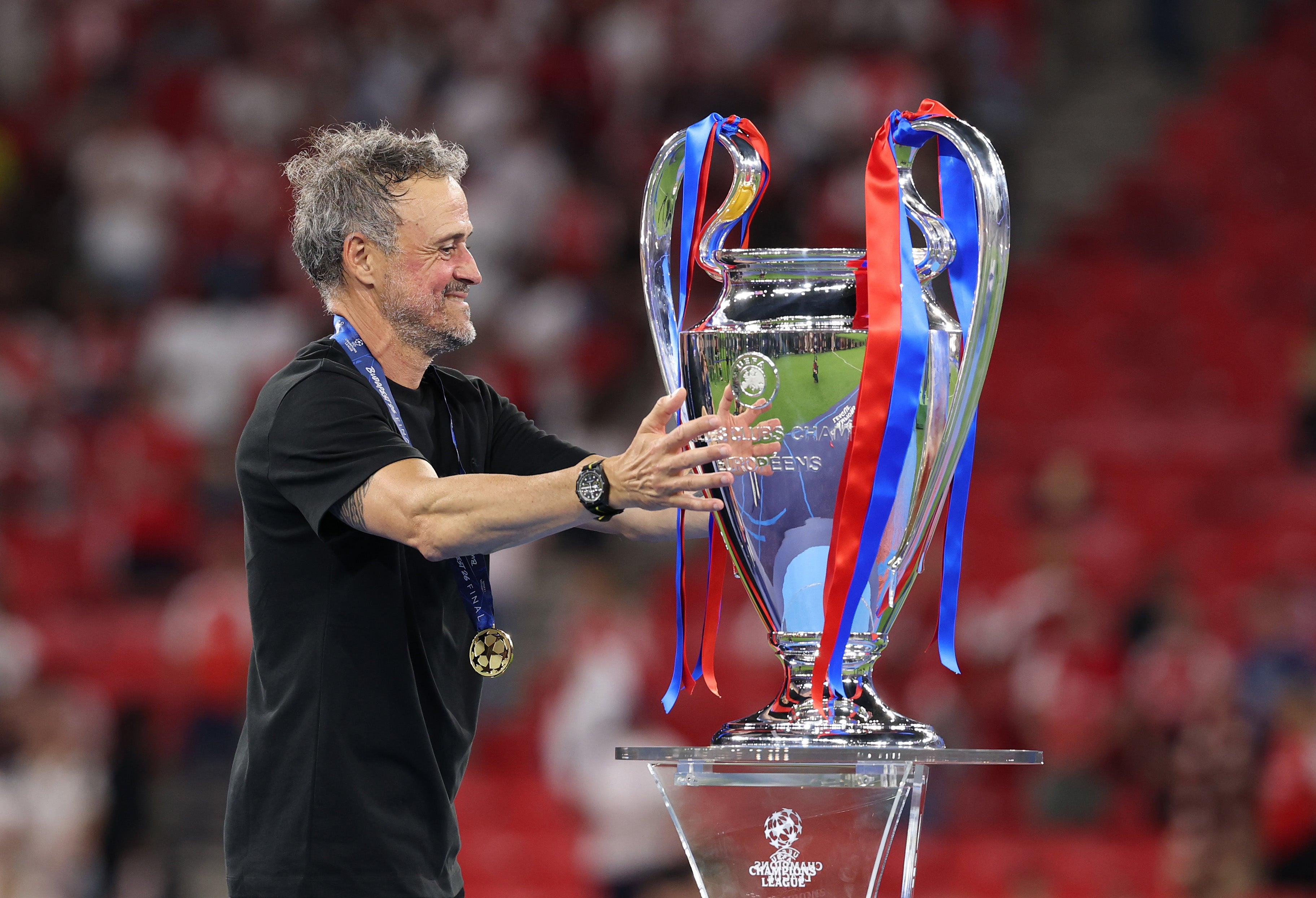
Luis Enrique now boasts three Champions League titles, placing him in esteemed company alongside legends like Pep Guardiola, Zinedine Zidane, and Bob Paisley. Only Carlo Ancelotti stands ahead of him in the competition’s managerial hierarchy.
Arteta and Arsenal certainly made Enrique’s side work for this victory, arguably more so than in any of their other European ties. The effort and commitment displayed by the Gunners were undeniable, but they recognise that there is still that “little bit more” to achieve.
Despite the sting of a lost final, it remains a remarkable season for Arsenal. However, the emotional cost of falling short at such a crucial juncture is significant. It’s a stark reminder that winning the Premier League, while a monumental achievement, doesn’t diminish the desire for European silverware.
Arteta’s task now is to channel this disappointment into fuel for the future. PSG, meanwhile, leveraged their considerable resources to secure their ultimate objective. Once again, Qatar reigns supreme in European club football.