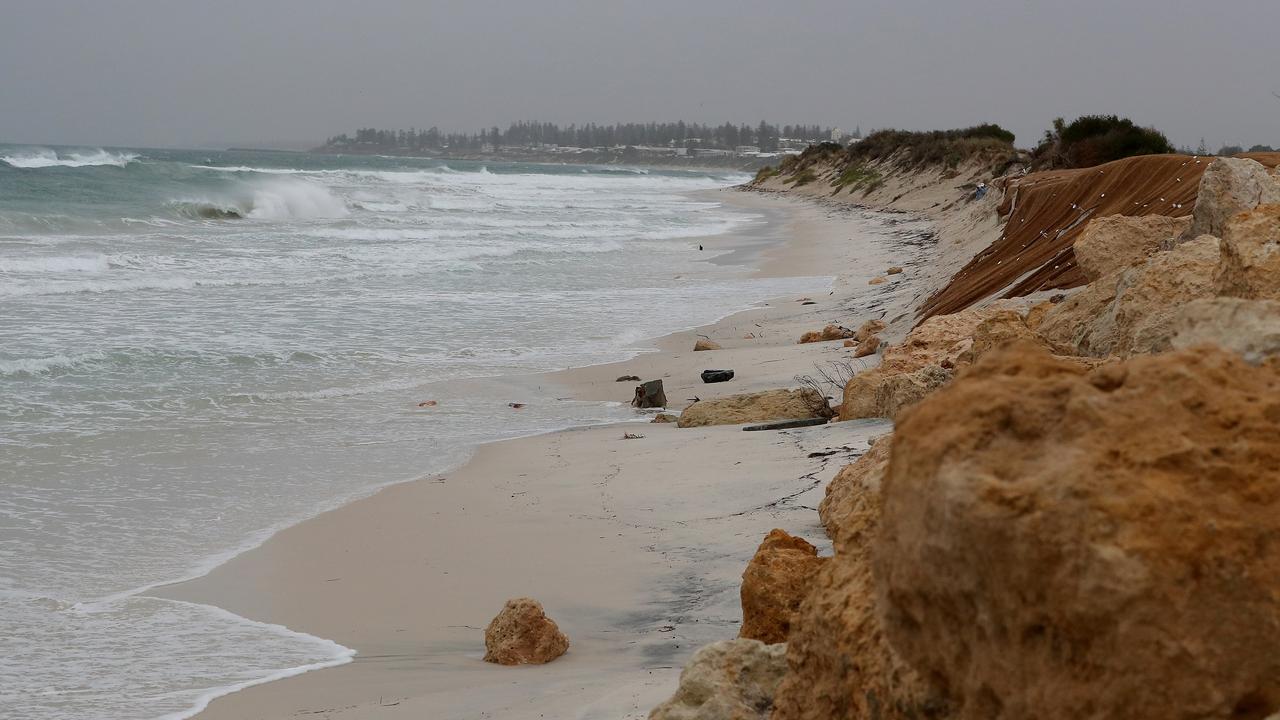
Western Australia Batters Under Rare, Intense Storm System
Western Australia’s coastline is currently bearing the brunt of an unusually powerful low-pressure system, unleashing a barrage of destructive winds and torrential rain. This extreme weather event, a rarity that typically occurs only once every five years, is hammering Perth and coastal communities with wind gusts reaching a staggering 125 km/h.
The ferocity of the storm has already led to widespread reports of damage, with social media awash with images documenting the chaos. One particularly striking picture captured in Mandurah, on the state’s southwest coast, shows a backyard shed seemingly uprooted and deposited into a swimming pool.
Authorities have issued urgent warnings, with the WA Department of Fire and Emergency Services advising residents to “Act now and stay safe, with damaging to destructive winds expected this afternoon and evening.” They cautioned that these “rarely experienced winds may bring down trees, branches and powerlines and loose items or debris may become airborne.”
The impact on infrastructure has been significant. Western Power has reported approximately 130 power outages across multiple areas of Perth and its surrounding regions, affecting a total of 14,600 customers statewide.
The sheer force of the wind has been evident in recorded gusts, with Cape Leeuwin registering a peak of 117 km/h in the morning, while Cape Naturaliste experienced gusts of 104 km/h.
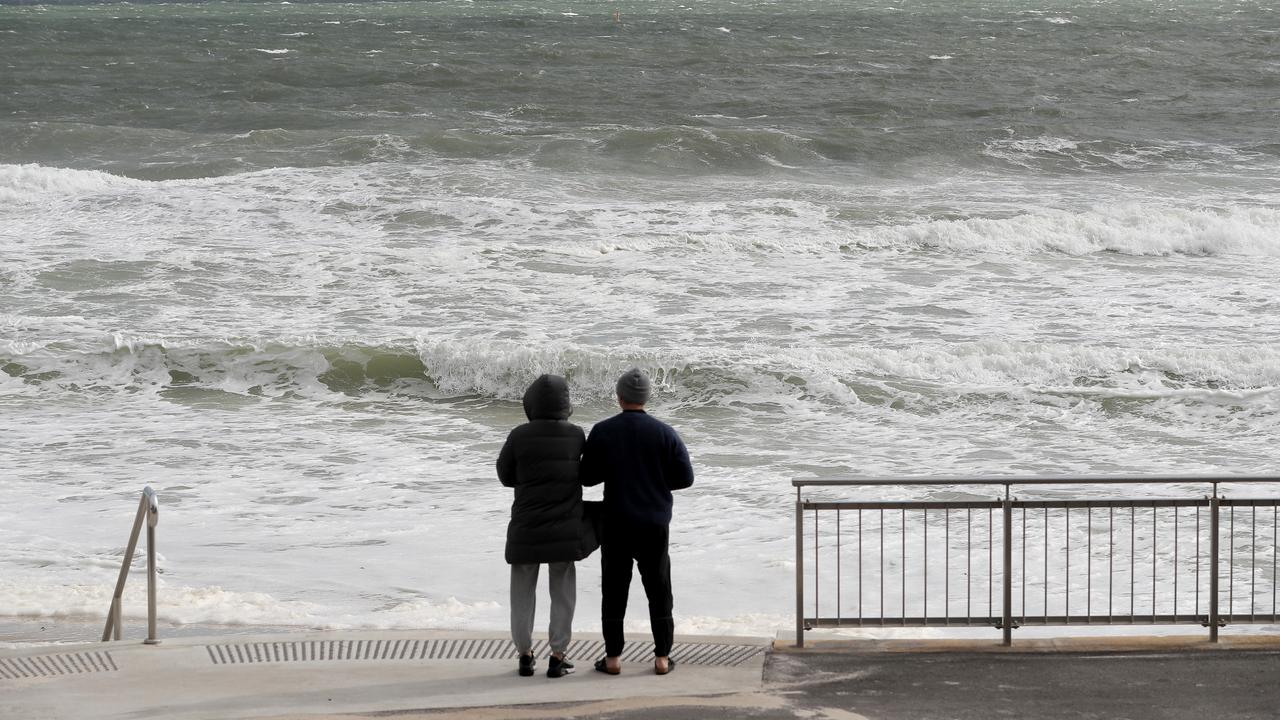
Beyond the wind, the deep low-pressure system has also driven exceptionally high tides, generating waves up to eight metres in height. In Perth’s central business district, the surge of water has led to flooding, stranding vehicles and submerging walkways, creating hazardous conditions for commuters and residents alike.
In anticipation of the storm’s arrival, residents in the state’s southwest were advised on Sunday morning to take precautionary measures. These included closing curtains and seeking shelter indoors, away from windows, as the system made its approach.
Luke Huntington, a duty forecaster with the Bureau of Meteorology, stressed the importance of securing outdoor belongings. “People should definitely tie down loose items like outdoor furniture and trampolines,” he advised. “When those strong winds are coming through, make sure you stay inside and just stay off the roads, in case of fallen power lines or trees.”
Even large-scale public events have felt the impact. Football fans attending the West Coast Eagles versus Essendon match at Optus Stadium were urged to make contingency plans due to the severe weather conditions. Mr Huntington reiterated the severity of the situation, stating, “This situation definitely doesn’t happen every year and the wind is going to be the worst hazard.”
In a heartwarming conclusion to a tense situation, an 11-year-old autistic and non-verbal boy who went missing overnight in Perth’s western suburbs during the wild weather has been found safe. The major police search, involving officers and State Emergency Service volunteers on foot and horseback, successfully located the boy after he had been missing for nearly eight hours.
The intense rainfall has also been a significant feature of the storm. Several towns across Western Australia have recorded substantial downpours as the weather system has moved through. Ludlow, a community located approximately 200 kilometres south of Perth, bore the brunt of the deluge, receiving a significant 43mm of rain in just two hours on Saturday night.
Looking ahead, the cold front and low-pressure systems are forecast to sweep across the western parts of South Australia on Monday. Residents in these areas can expect rain and wind gusts of up to 100 km/h before the system continues its journey across the Adelaide region later in the day. Severe weather warnings have consequently been issued for South Australia’s coastal regions, the mid-north, and the southeast, urging preparedness as the storm system progresses.