Fuel Shortages Grip Kenya Amidst Global Tensions and Market Speculation
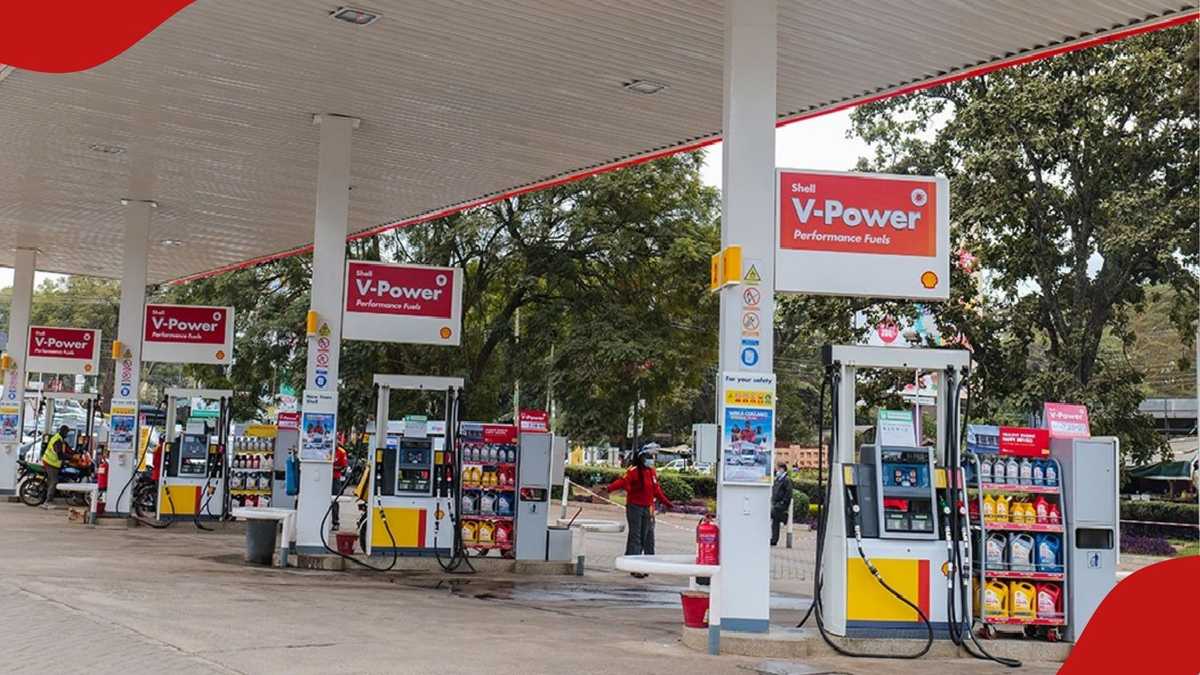
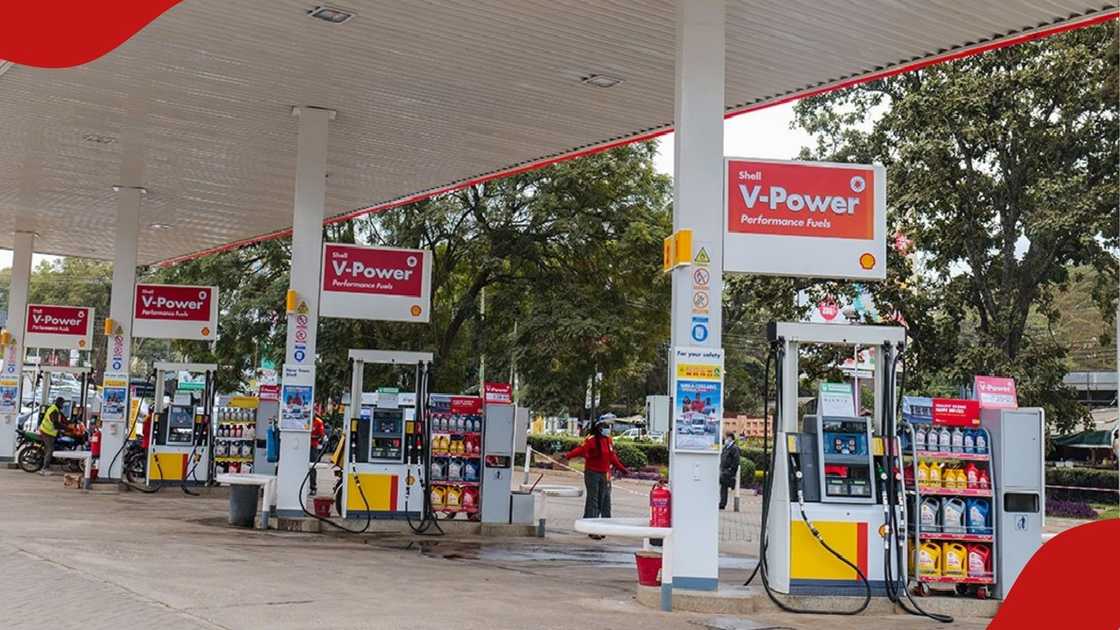
Kenya is currently grappling with a significant fuel shortage, with Vivo Energy Kenya, a prominent distributor of Shell products, confirming stock-outs at numerous service stations nationwide. This disruption comes at a time of heightened global geopolitical instability, specifically the ongoing conflict in Iran, which has sent ripples through the international oil market and directly impacted fuel availability and demand within the East African nation.
The situation has led to increased consumer demand, exacerbating the supply challenges. While the Kenyan government asserts that adequate fuel reserves are in place, anecdotal evidence from filling stations suggests otherwise, creating uncertainty and frustration among the public.
Vivo Energy Kenya, in a statement acknowledging the shortages, stated, “We have recently experienced increased demand for our products, which has resulted in temporary stock-outs at some service stations. Our teams are closely monitoring the situation and working continuously to replenish affected sites as quickly as possible.” This indicates a proactive approach by the company to address the issue, but the underlying causes are complex and extend beyond immediate logistical challenges.
Government Accuses Marketers of Hoarding Amidst Price Hike Fears
Adding another layer to the unfolding crisis, the Kenyan government, through its Energy Cabinet Secretary Opiyo Wandayi, has publicly accused oil marketing companies of engaging in fuel hoarding. This alleged practice is reportedly being undertaken in anticipation of potential price fluctuations in the fuel market.
Cabinet Secretary Wandayi expressed grave concern over these reports, condemning the actions of marketers. He stated, “We note with grave concern reports of product hoarding and speculative withholding of stocks by some oil marketing companies in anticipation of price movements. That conduct is commercially opportunistic, contrary to the public interest and is in direct breach of licensing obligations.”
The government’s stance highlights a potential conflict between market dynamics and the imperative to ensure consistent fuel supply for the public. The Cabinet Secretary issued a stern reminder to all licensed oil marketing companies, emphasizing their legal duty to maintain a continuous supply of fuel and to adhere to officially gazetted prices.
The Ripple Effect of Global Conflicts on Local Markets
The current fuel scarcity in Kenya is intrinsically linked to broader international events. The conflict in Iran, a significant player in the global oil industry, has disrupted supply chains and contributed to an increase in crude oil prices. This global price volatility creates a challenging environment for importing nations like Kenya, where fuel is a critical commodity for transportation, agriculture, and overall economic activity.
The consequences of these global events manifest locally in several ways:
- Increased Import Costs: Fluctuations in global oil prices directly translate to higher costs for importing refined fuel products. This can put pressure on oil marketers and potentially lead to increased pump prices if not managed effectively.
- Supply Chain Disruptions: Geopolitical tensions can affect the reliability of oil shipments and the availability of crude oil for refining. This can create delays and uncertainties in the supply chain, leading to shortages.
- Speculative Behavior: In an environment of potential price increases, some market players may engage in speculative withholding of stocks. This is an attempt to profit from anticipated price hikes, but it directly contributes to immediate shortages and public inconvenience.
Government’s Response and Future Outlook
The Kenyan government’s public admonishment of oil marketers signals its commitment to safeguarding public interest and ensuring market stability. The assertion that sufficient fuel supplies exist suggests that the current shortages might be artificially created or exacerbated by market manipulation rather than a genuine lack of product.
The authorities are likely to:
- Intensify Monitoring: Increase surveillance of fuel depots and distribution networks to detect and prevent hoarding.
- Enforce Regulations: Take stringent action against oil marketers found to be in breach of their licensing obligations and fuel supply commitments.
- Explore Diversification: Potentially look into diversifying fuel import sources or engaging in strategic partnerships to mitigate the impact of single-source supply vulnerabilities.
The resolution of the current fuel shortages will depend on a multi-pronged approach, addressing both the immediate supply concerns and the underlying speculative market behavior. The ongoing international conflict adds a layer of complexity, requiring careful navigation by both the government and the energy sector to ensure the nation’s energy needs are met reliably and affordably.