The United States has announced the killing of a high-ranking member of the Islamic State of Iraq and Syria (ISIS). According to reports, the individual in question is Abu-Bilal al-Minuki, who held the position of second-in-command within the global structure of ISIS. This development marks a significant blow to the organization’s leadership and operational capabilities.
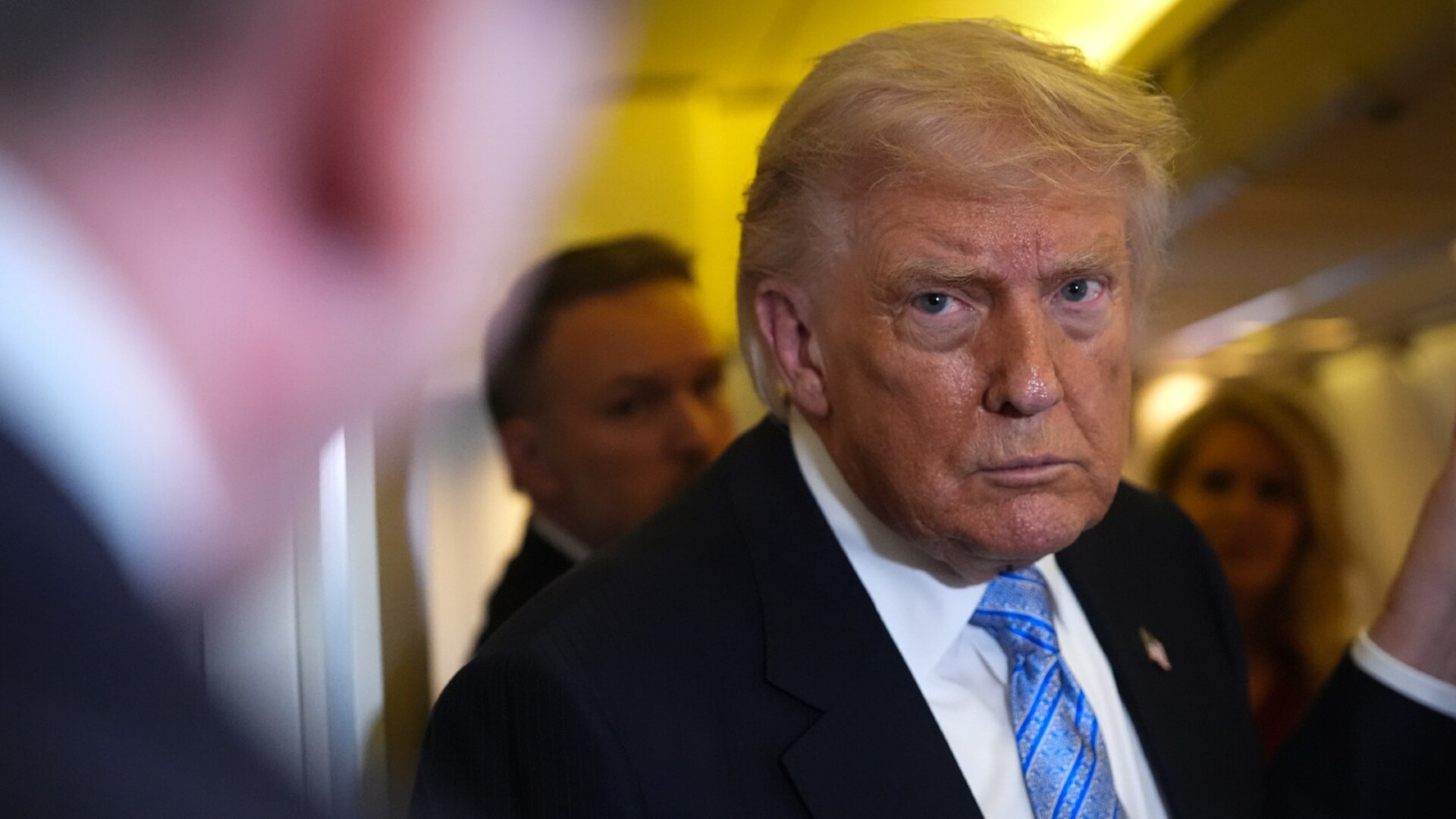
In a statement shared on his social media platform, Truth Social, former US President Donald Trump highlighted the achievement. He stated, “Abu-Bilal al-Minuki, second in command of ISIS globally, thought he could hide in Africa, but little did he know we had sources who kept us informed on what he was doing.”
Trump further emphasized the impact of this operation, noting that with the removal of al-Minuki, the global operations of ISIS have been significantly weakened. He expressed gratitude to the government of Nigeria for its collaboration in carrying out this mission.
This event underscores the ongoing efforts by the US and its allies to dismantle ISIS and reduce its influence across various regions. The successful targeting of key figures within the organization demonstrates the effectiveness of intelligence gathering and international cooperation in counterterrorism efforts.
Key Points About the Operation
- The operation was conducted with the support of Nigerian authorities, highlighting the importance of regional partnerships in combating terrorism.
- The identity of the individual killed has been confirmed as Abu-Bilal al-Minuki, a prominent figure within ISIS’s global hierarchy.
- The US has consistently prioritized the elimination of high-value targets within extremist groups, aiming to disrupt their operations and prevent future attacks.
Impact on ISIS
The death of a senior leader like al-Minuki can have several implications for ISIS:
- It may lead to internal power struggles within the organization as other members vie for control.
- The loss of such a key figure could weaken the group’s ability to coordinate large-scale operations.
- It serves as a morale boost for the international community working against ISIS, demonstrating that even those who attempt to evade capture can be targeted.
International Collaboration
The success of this operation also highlights the importance of international collaboration in the fight against terrorism. Countries around the world are increasingly recognizing the need to work together to share intelligence, resources, and strategies in order to effectively combat extremist groups.
- The partnership between the US and Nigeria played a crucial role in identifying and eliminating al-Minuki.
- Such collaborations often involve joint military operations, intelligence sharing, and diplomatic efforts to address the root causes of extremism.
Ongoing Challenges
Despite these successes, the threat posed by ISIS remains significant. The group continues to operate in various parts of the world, adapting its strategies to avoid detection and maintain its influence.
- Terrorist organizations are known for their resilience and ability to regroup after setbacks.
- Continued vigilance and coordinated efforts are essential to prevent the resurgence of such groups.
Conclusion
The killing of Abu-Bilal al-Minuki represents a major victory in the global fight against ISIS. It showcases the effectiveness of intelligence-driven operations and the value of international partnerships in counterterrorism efforts. However, it also serves as a reminder that the battle against extremist groups is ongoing and requires sustained commitment from all involved parties.