The Global Impact of China’s Sulphuric Acid Restrictions
China has taken decisive steps to secure its supply of sulphuric acid, a chemical that plays a critical role in numerous industries. This move has far-reaching implications for sectors such as food production, fashion, and technology. Sulphuric acid is an essential component in the manufacturing of batteries, textiles, and phosphate fertilisers, and it is also used in water treatment, petroleum purification, and the production of metals and computer chips.
China is a major exporter of this vital chemical, but it depends on imported sulphur — a by-product of oil refining and smelting — to produce it. In 2025, approximately half of the global sulphur supply came from the Middle East. However, with trade disruptions caused by regional conflicts, Beijing has imposed a ban on the export of sulphuric acid to ensure domestic availability.
This decision has placed Australian manufacturers in a challenging position. They must either stock up on this highly corrosive and combustible chemical or risk losing access to their key ingredient.
The Key Ingredient’s Key Ingredient
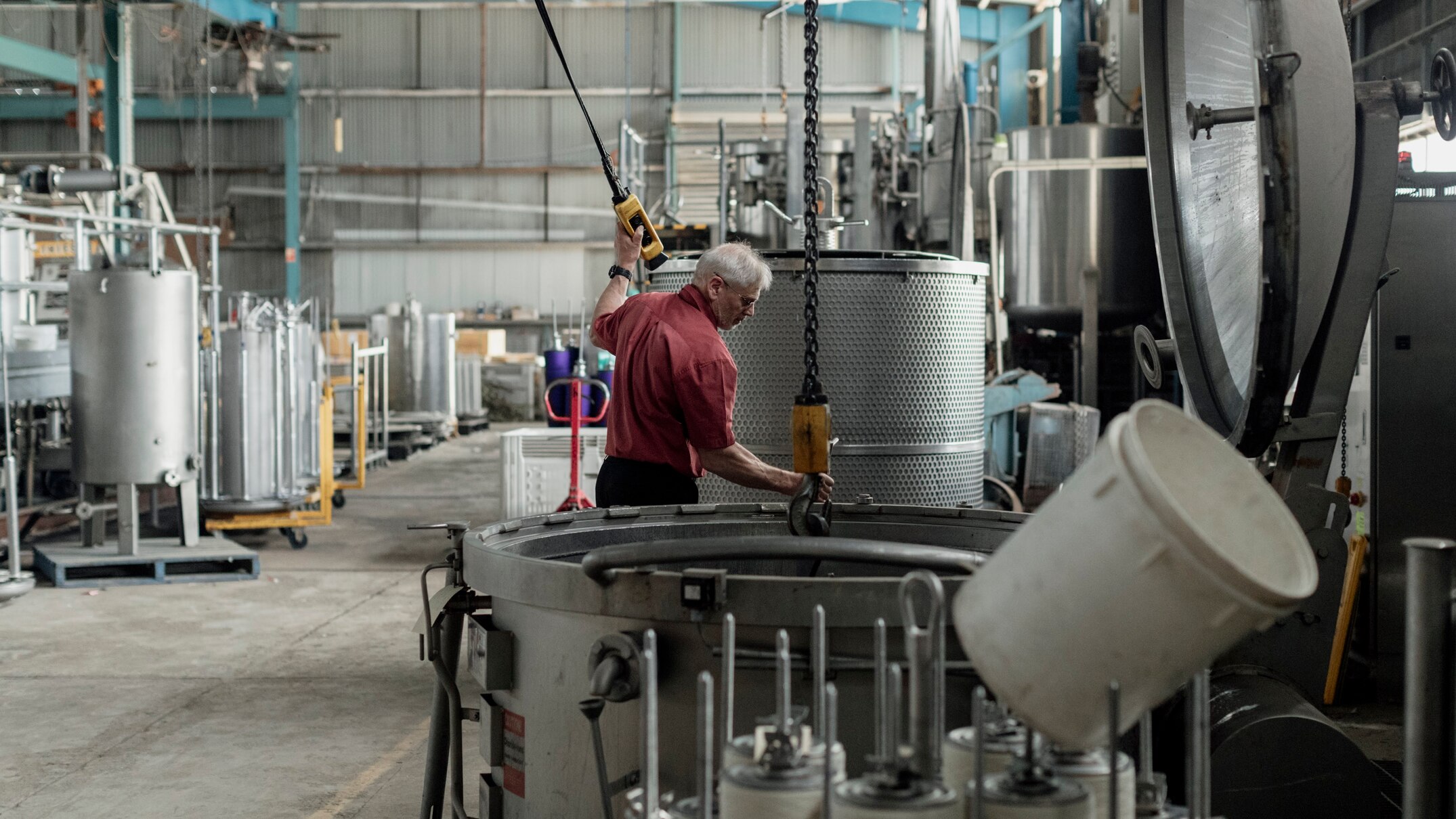
In Geelong, south-western Victoria, textile manufacturer LoomTex is striving to preserve its heritage of weaving, dyeing, and milling through sustainable fabrics. Chief executive Samantha Van Zyl explained that sulphuric acid is one of several chemicals used in research and development. “It’s critical as an auxiliary step in the lab … for fibre innovation,” she said.
The current supply disruption has created a dilemma for the company. Ms. Van Zyl noted that they face a choice: ordering more sulphuric acid than usual, which would push them above the threshold for storing dangerous goods, or risking insufficient supply. “Increasing to the dangerous goods limit actually means that we’re changing the shape of our business,” she said.
She added that this change would require engaging WorkSafe Victoria and significantly altering the safety profile of their operations. “It’s not something that can be done overnight.”
Without access to sulphuric acid, production could suffer, potentially leading to the loss of customers to overseas competitors. “That’s a vulnerability and a risk I don’t think that we would look to take at this point in time,” she said.
Sulphuric acid is produced in two main ways: using sulphur or as a by-product of metal smelting. According to Meena Chauhan, head of sulphur and sulphuric acid research at Argus Consulting Services, China leads the global export market. “Last year, they exported close to 5 million tonnes for the first time,” she said.
China relies heavily on imported sulphur, which is derived from oil refining and gas processing. In 2025, about 73 million tonnes of sulphur were produced globally, with the Middle East accounting for around 50% of global trade flows.
The Impact of the Iran War on Supply
The ongoing conflict in the region has disrupted the supply chain, with the closed Strait of Hormuz halting vessel traffic and damaging refineries and processors. “Some sites are being taken offline because of damage; in other cases because of precautionary measures,” Ms. Chauhan said.
China’s export ban on sulphuric acid, effective from May 1, was aimed at protecting its downstream industries. While attention has shifted to alternative suppliers like Canada, logistical and volume challenges remain. Australia produces some sulphuric acid domestically, but not at the grade required by LoomTex’s textile lab.
However, local supplies may benefit the fertiliser industry, which is the largest end user of both sulphur and sulphuric acid. North West Phosphate mines phosphate rock in Queensland, which is used by fertiliser manufacturers across South-East Asia. Chairman John Cotter highlighted the importance of sulphuric acid in the production process. “Most of those producers use sulphur mixed with water to create sulphuric acid mixed in with phosphate rock,” he said.
So far, his business has not been affected, but Mr. Cotter anticipates changes. “We’re worried that if [customers] can’t get the other basic ingredient to manufacture, then we might have to divert to other markets,” he said.
Versatility and Variability
Sulphuric acid’s widespread use stems from its versatility and low cost. As a by-product of a by-product, it has historically been an affordable option. However, rising demand from the metal industry, which can absorb higher prices, has put pressure on fertiliser production.
“In some markets, South Africa, we’ve seen [reduced production],” Ms. Chauhan said. “We’ve seen in North Africa as well, a key fertiliser producer announcing that they’re going to have a reduction in their output of fertilisers.”
Once the Strait of Hormuz reopens, shipments of oil and gas are likely to take priority over sulphur, prolonging shortages. Additionally, damaged facilities may take years to return to pre-war capacity. Projects in the Middle East, which had been expanding before the war, are now on hold.
Adapting to the New Reality
Despite the challenges, Samantha Van Zyl remains determined. “It is a bit stacked up [against you],” she said. “But you just wake up, put a smile on your face and pull up your sleeves and get into it.” She added, “It’s all we can do, really.”