Focus on Productive Sectors to Drive Economic Growth
The Minister of Finance and Coordinating Minister for the Economy, Mr. Wale Edun, has highlighted the need for focused reforms in Nigeria to enhance productive sectors and drive sustainable economic growth. He pointed out that while the country’s yearly average GDP growth has increased from 2% to around 4%, this improvement is still insufficient to lift millions of Nigerians out of poverty.
Edun made these remarks during the Nigeria Business Summit 2026, which took place in Lagos with the theme “Powering Sectors, Growing Sustainable SMEs, Unlocking Global Trade.” The event was organized by Stanbic IBTC. Speaking virtually, he emphasized that the government is currently prioritizing the enhancement of the productive capacity of the Nigerian economy.
He stated, “For nearly a decade, our GDP has averaged around two per cent per annum, and we have just recently moved into a new phase where GDP is now about four per cent per annum. It is an important improvement, yet it is still below the level required to move Nigerians out of poverty in their millions.”
Key Areas for Economic Development
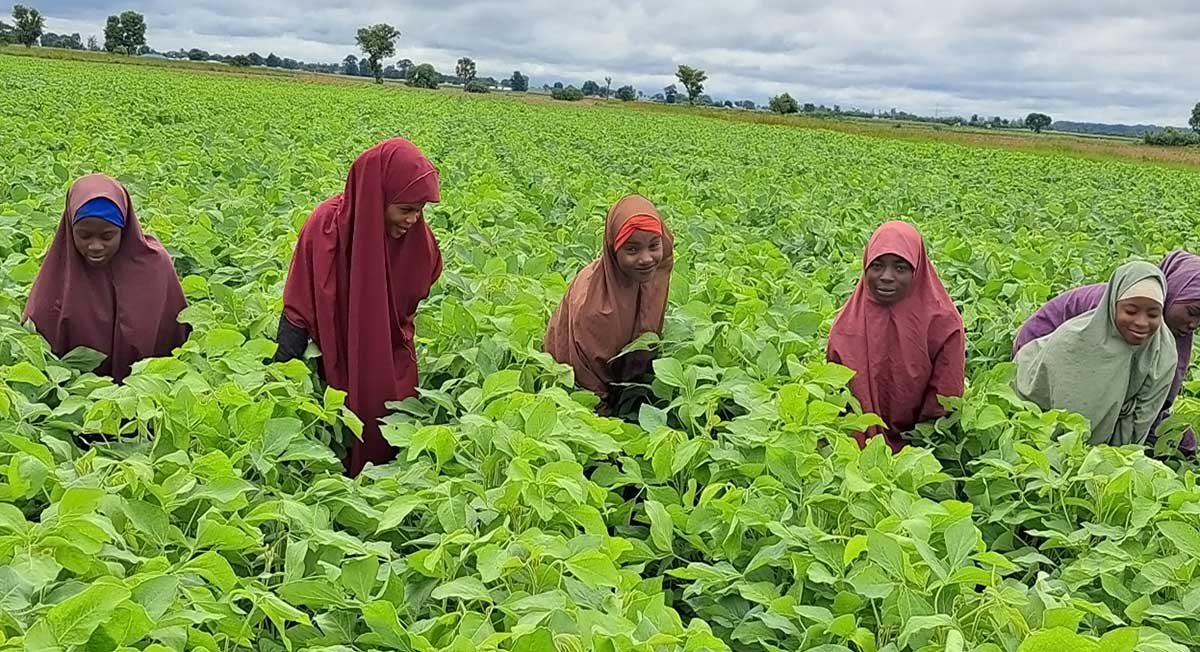
Edun outlined several critical sectors that require attention to unlock productivity. These include energy, agriculture, manufacturing, and technology. He explained that agriculture contributes 25% of GDP, yet its full value chain potential remains underdeveloped. Energy sector reforms and liberalizations are aimed at attracting private capital and improving supply reliability.
A recent initiative to attract investment, particularly private investment, into the energy sector was launched when the Federal Executive Council approved the setting up of the Grid Asset Management Company. Edun emphasized the importance of utilizing existing generating capacity to benefit the economy.
Another key area of focus is expanding Nigeria’s participation in regional and global trade. To achieve this, the government is operationalizing the first phase of the National Single Window Initiative. This initiative aims to improve trade infrastructure and logistics, enhance competitiveness, and support businesses in accessing regional and continental markets.
Enhancing Trade and Regional Integration
The African Continental Free Trade Area Agreement presents a historic opportunity for Nigerian businesses to scale. However, current levels of intra-African trade remain below optimal. Africa as a whole accounts for about 3% of world trade, with intra-African trade at around 15%. Edun stressed the need to improve these figures to mutual benefits and reduce poverty.
Trade will be a key driver of diversification and foreign exchange earnings. He also emphasized the importance of public-private partnerships, stating that sustainable growth depends on strong collaborations between the public and private sectors built on trust and shared commitment.
Supporting SMEs for Inclusive Development
Edun highlighted the relevance of growing sustainable SMEs in Nigeria. He noted that SMEs account for over 90% of businesses and employ the majority of the workforce. Their growth is central to inclusive development.
To support SMEs, Edun outlined four priorities:
- Expanding access to affordable financing for SMEs
- Improving the ease of doing business
- Supporting digitization and formalization of the mainly informal sector
- Enabling SMEs to integrate into available value chains across all sectors
A strong SME sector will drive job creation, innovation, and resilience. Additionally, deepening investment in key productive sectors is essential for economic transformation.
Government’s Role in Economic Stability
Edun reiterated the government’s role in maintaining a stable economic environment, implementing transparent and predictable policies, and removing structural constraints to investments and enterprises. He emphasized that the shared ambition is to build a $1 trillion economy, which will depend on businesses, especially SMEs, scaling up, innovating, and competing globally.
In his opening remarks, the Group Chief Executive of Stanbic IBTC Holdings Plc, Mr. Chuma Nwokocha, who was represented by the Chief Financial Officer, Mr. Kunle Adediji, highlighted the summit as an opportunity for learning, connection, and forward-thinking conversations. He mentioned that the event brought together experts across multiple sectors to address interconnected challenges.
The Governor of Lagos State, Mr. Babajide Sanwo-Olu, commended StanbicIBTC for convening the summit. His administration has empowered over 200,000 SME entrepreneurs with access to finance, skill development, and business support.