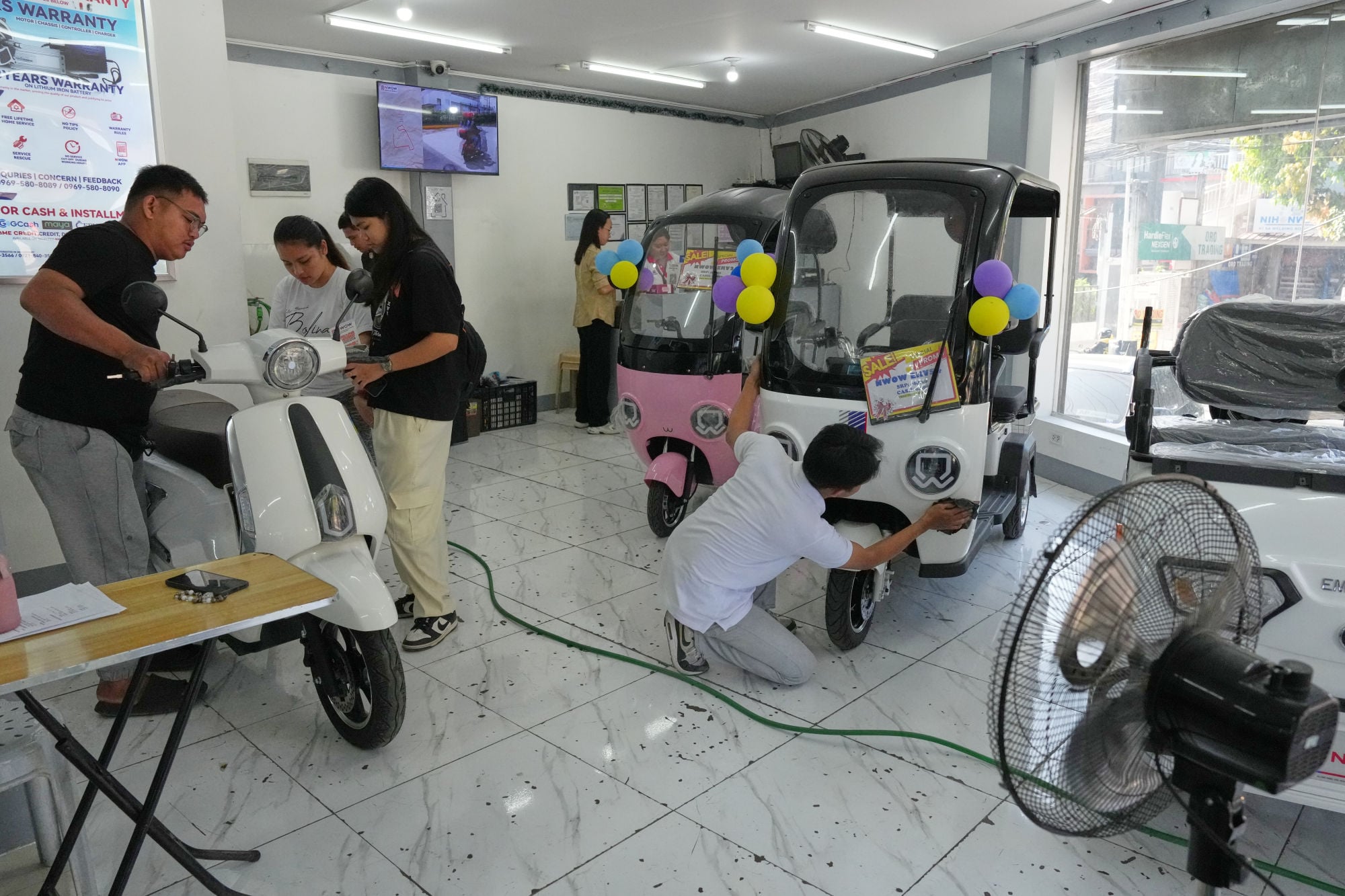
Rising Fuel Prices Drive EV Interest in the Philippines
As fuel prices surge across the Philippines, many drivers are beginning to reconsider their transportation choices. This shift is being capitalized on by Vietnamese electric vehicle (EV) manufacturer VinFast, which has launched an initiative aimed at encouraging consumers to switch from petrol-powered vehicles to electric models.
James Deakin, a Filipino motoring journalist, recently shared a photo of his fuel receipt, which showed a cost of over 4,000 pesos (US$67) for nearly 39 litres of fuel. His message was clear: “I’m seriously looking at an EV or hybrid now. What’s your breaking point?” He is not alone in this sentiment. With record pump prices driven by the war in Iran, many Filipinos are reevaluating their options, and VinFast is stepping in to meet this growing demand.
In March, the company introduced its “Trade Gas for Electric” program across the Philippines and three other Asian markets. The initiative offers buyers who switch from petrol-powered vehicles an additional 3% discount on electric cars and 5% off its electric scooters. This move comes at a time when the country is facing an energy emergency, with oil prices fluctuating due to global geopolitical tensions.
The Impact of Oil Dependency
The Philippines relies heavily on imported oil, with 95% of its oil supply coming from external sources. This makes the economy particularly vulnerable to price shocks, especially given the ongoing conflict in the Middle East. An oil deregulation law passed in 1998 shifted the responsibility for supply and pricing to the private sector, leaving the government unable to intervene directly. As a result, consumers are directly exposed to global market volatility.
On March 24, President Ferdinand Marcos Jnr declared a national energy emergency, citing an “imminent danger” to the country’s energy supply. Diesel prices are expected to reach 160 pesos per litre this week, significantly impacting the daily wages of non-agricultural workers in the capital, which stand at 695 pesos.
Cost Efficiency of Electric Vehicles
Despite these challenges, the cost efficiency of electric vehicles is becoming increasingly apparent. According to the Department of Energy, EVs are much cheaper to operate than internal combustion engine vehicles, costing approximately 1.75 pesos per kilometre compared to 5 pesos for traditional vehicles. Even before the current crisis, this cost gap was driving consumer interest in electric mobility.
EV sales in the Philippines surged by 66% in the first two months of 2026 compared to the same period in 2025, according to data from the Chamber of Automotive Manufacturers of the Philippines (Campi) and the Truck Manufacturers Association (TMA). Patrick Aquino, director of the Department of Energy’s Energy Utilisation Management Bureau, projected that EV sales could exceed 40,000 units this year.
VinFast sees this as an opportunity to expand its market presence. Antonio Zara, CEO of VinFast Southeast Asia, stated that the program was introduced amid rising energy price volatility and growing interest in EVs, highlighting the need for more stable and cost-predictable mobility solutions.
Zara noted that there have been “encouraging signs of increased interest” following recent fuel price adjustments, including a rise in customer inquiries, higher showroom foot traffic, and stronger interest in test drives. However, he declined to provide specific figures, emphasizing that the company is continuing to monitor how this interest translates into actual reservations and sales.
Expanding the Initiative
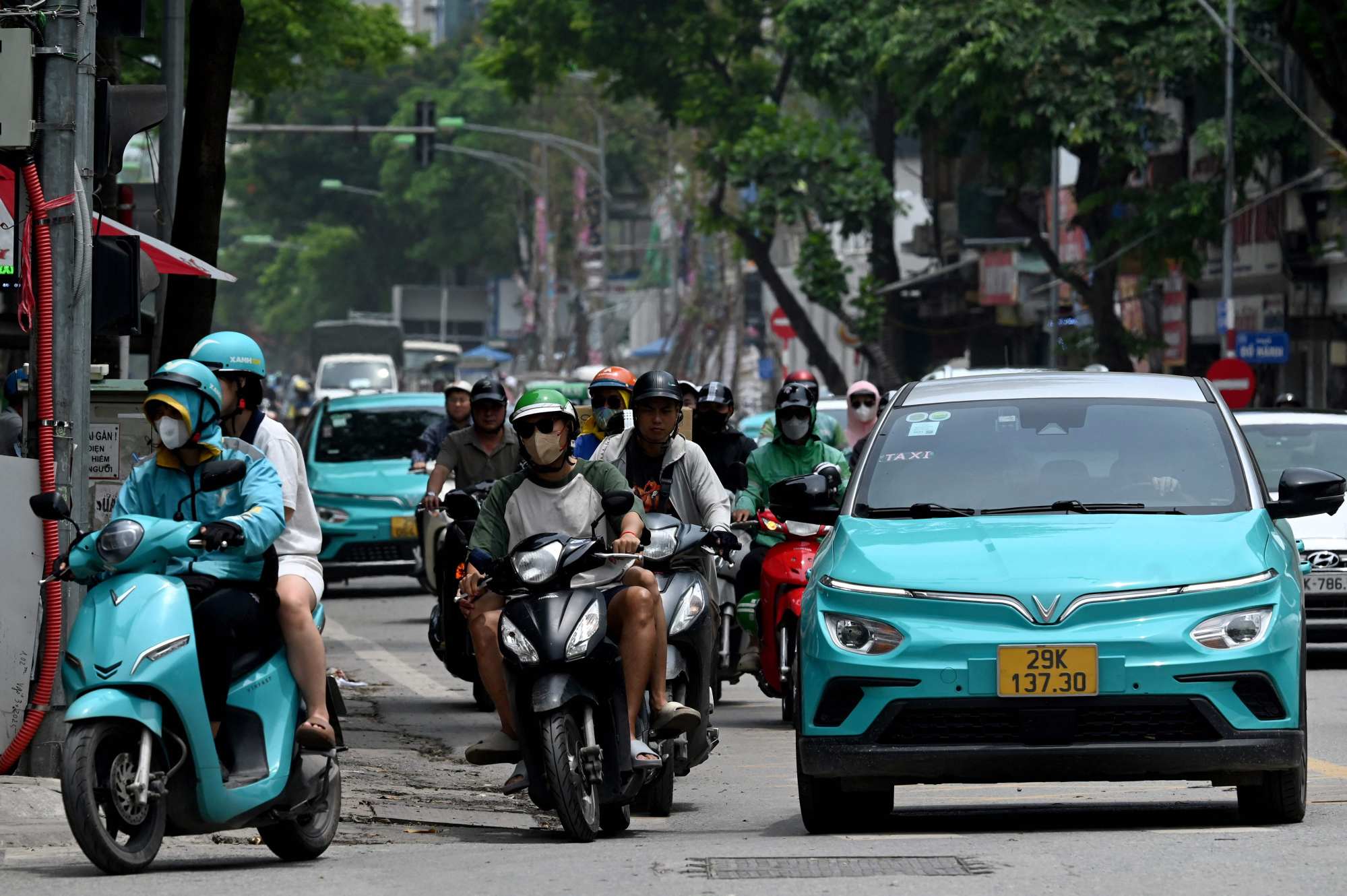
Vingroup, VinFast’s parent company, announced the program alongside other initiatives, including a 10% fare reduction from March 11 to 31 on its electric ride-hailing platforms in Vietnam and Indonesia. Duong Thi Thu Trang, VinFast’s deputy CEO of global sales, described the program as a “timely response to geopolitical volatility affecting socio-economic conditions in many countries.” She emphasized the goal of reducing the impact of fuel prices on daily life through “smarter, more sustainable, and more cost-efficient mobility solutions.”
The program is currently being rolled out in Vietnam, Indonesia, and India, but the company has not set a fixed end date. Instead, it will continue depending on global developments and fuel price trends.
Regional Comparisons and Future Outlook
While interest in EVs is rising, the Philippines still lags behind its regional peers. In 2025, EVs accounted for nearly 40% of new car sales in Vietnam, largely driven by VinFast, while Singapore crossed the 40% mark. According to a study by energy think tank Ember, electric vehicles made up 12% of total vehicle sales in the Philippines last year, or 58,905 out of 491,395 units.
Zara acknowledged that fuel price increases might have “short-term cost impacts” for consumers but emphasized that, with fuel prices on an upward trend, “demand for clean energy vehicles, including electric cars and scooters, may in fact even be supported.”
As the Philippines continues to navigate this energy crisis, the push toward electric mobility appears to be gaining momentum. With companies like VinFast offering incentives and the government recognizing the benefits of cleaner, more efficient transportation, the future of mobility in the region looks increasingly electric.