A Controversial Decision and the Western Double Standard
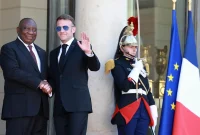
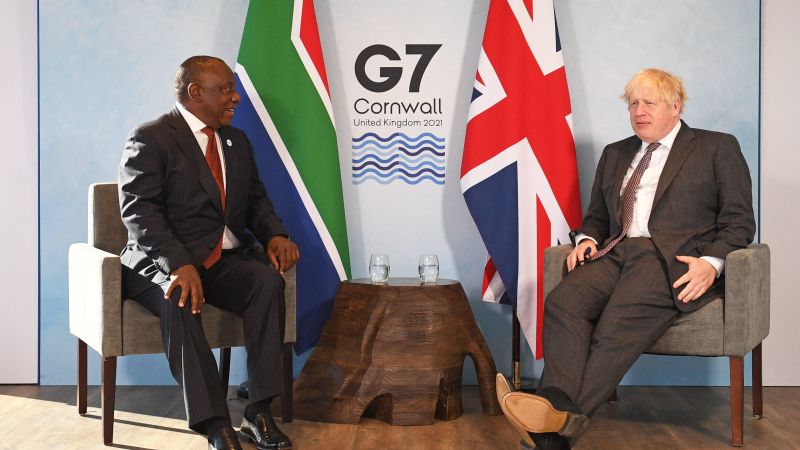
The decision to exclude South Africa’s President Cyril Ramaphosa from the next G7 summit, while inviting Kenya’s President William Ruto, has sparked significant controversy across Africa. Many see this as a deliberate attempt to create divisions among African nations, especially considering that South Africa has long been the continent’s representative at the G7. The summit is scheduled for June 15–17, 2026, in Évian-les-Bains, France.
A French official denied that South Africa was snubbed under pressure from the United States, stating that the guest list included “democracies and market economies that play by the rules of international cooperation.” However, a closer examination of these countries reveals that they often bend the very rules they claim to uphold.
The Contradictions in American Policies
Take the United States, for instance. Under former President Donald Trump, immigration policies favored white South Africans while making life more difficult for people of color from other regions. Families were separated, asylum claims were delayed, and many ended up in harsh detention centers. A young Nigerian mother, who was separated from her two children for months, still waits for their reunification. Race and nationality continue to determine who gets in and who stays out, even in a country that frequently lectures the world on human rights.
The brutality of Immigration and Customs Enforcement (ICE) raids has been particularly striking. People have been killed, and the process has involved racial profiling, family separations, and harsh detentions targeting communities of colour with little regard for due process. Even citizens have been caught because of their appearance or accent, exposing a reality that contradicts America’s proclaimed values.
Domestic Challenges in the US
At home, the White House has clashed with courts and regulators in ways that are familiar to many in Africa. Judges have faced political pressure, and rulings have been ignored. Meanwhile, Washington pursued Venezuela’s President Nicolas Maduro for alleged crimes, seizing him in a night raid and sending him and his wife to prison in the US. This stark gap between words and deeds highlights the hypocrisy of American foreign policy.
European Nations and Their Treatment of Migrants
Europe is no different. France, Italy, Germany, and the UK present themselves as liberal beacons, yet their treatment of migrants tells another story. French police operations against Roma and deportations of African children have drawn sharp criticism. Italy has been hauled before the European Court of Human Rights over squalid detention centres. Germany outsources the dirty work, striking deals with Libya and Türkiye to return migrants to abuse. The UK has left the Windrush generation, who arrived in the UK from the Caribbean between 1948 and 1971, and newer asylum seekers facing wrongful detention, deportation, and poverty. Bureaucracy has trapped people for years, denying access to housing, benefits, and legal support.
The EU’s Selective Stance
The European Union itself often chooses convenience over principle, shielding allies while pointing fingers elsewhere. Many G7 nations back international courts when weaker states are targeted, but resist when scrutiny turns on them. The US has sanctioned International Criminal Court officials probing alleged crimes involving American personnel. France and Germany have shown similar reluctance.
Cracks in the West
The cracks in the West have become more pronounced. The US has slipped in Transparency International’s Corruption Perceptions Index. Press freedom has declined, with journalists facing restricted access and intimidation. Democracy indices show a slide in liberal standards. Europe has not escaped these trends. Yet leaders prefer to condemn faraway wrongs while skating over their own.
A Clear Message at the UN
On March 25, the West showed its colors at the UN. A resolution spearheaded by Ghana, recognizing the transatlantic slave trade as one of history’s gravest crimes and urging reparatory justice, passed with 123 votes. The US voted against, with only Israel and Argentina voting in favor. European countries abstained. African nations stood firm while old powers distanced themselves from reckoning with the past. The message was clear: Principles bend when they touch home.
African Governments’ Failings
None of these excuses is the African governments’. Coups, crackdowns on opposition, rigged elections, and suppression of protests scar the continent. Corruption erodes trust, and leaders cling to power long past their welcome. These failings weaken Africa’s hand when pointing fingers abroad.
The Disinvitation of South Africa
The disinvitation of South Africa from the G7 must be seen against this backdrop. Last November, the US boycotted the G20 summit in Johannesburg, citing discredited claims of persecution against white farmers and objections to equity issues. It was the first time the US skipped the gathering. Then came another blow, when Trump announced South Africa would not be invited to the 2026 G20 in Miami.
The Impact of South Africa’s Actions
Observers link the hostility partly to Pretoria’s case at the International Court of Justice, accusing Israel of genocide in Gaza. Filed in late 2023, the case drew global attention. Israel denied the allegations, pointing to Hamas’s October 7 attack as justification for its campaign. South Africa’s move challenged powerful allies and touched sensitive nerves.
A Call for African Autonomy
These episodes suggest the problem the West, especially the US, has with South Africa is about foreign policy choices that unsettle allies. But the contradictions among the richest democracies strip much of the moralizing from their use of force. When preachers fail to practise what they preach, their sermons lose weight.
Moving Forward
Africa, therefore, has every reason to speak with its own voice. By recognizing the selective nature of Western authority, African states can deal with partners more shrewdly. Respect for human dignity, the rule of law, and fair governance should not be applied like a weather vane, shifting with interests.
In the end, such episodes remind us that global rules are rarely neutral. Power decides who gets judged and who gets praised. Africa’s task is to engage on clearer terms, demanding consistency from others while fixing what needs fixing at home. The G7 podium may command attention, but it can’t claim a monopoly on political morality.