
The Gluten-Free Myth: What the Science Says
Social media and lifestyle magazines have often painted gluten as a dietary villain. This protein, found in wheat, rye, and barley, has been demonized by athletes and celebrities who promote gluten-free eating as a path to better health and performance. However, recent research challenges this narrative.
Associate Professor of Human Nutrition, Jessica Biesiekierski, writes for The Conversation that for most people who think they react to gluten, the protein itself is rarely the cause. Her review, published in The Lancet, highlights the need to reconsider the widespread belief that gluten is harmful.
Coeliac Disease vs. Non-Coeliac Gluten Sensitivity
Coeliac disease is an autoimmune disorder where the body’s immune system attacks itself upon consuming gluten, leading to inflammation and damage to the gut. However, many individuals experience symptoms after eating gluten-containing foods but test negative for coeliac disease or wheat allergy. These individuals are diagnosed with non-coeliac gluten sensitivity (NCGS).
The question remains: Is it gluten causing these symptoms, or are other factors at play?
Unraveling the Causes of Symptoms
A comprehensive study analyzed over 58 studies examining symptom changes and possible causes. Researchers looked into the immune system, gut barrier, gut microbes, and psychological explanations. Across these studies, gluten-specific reactions were uncommon, and when they did occur, symptom changes were usually minimal.
Many participants who believed they were gluten-sensitive reacted equally or more strongly to a placebo. One landmark trial focused on fermentable carbohydrates known as FODMAPs. Participants who followed a low-FODMAP diet saw improved symptoms, even when gluten was reintroduced.
Another study revealed that fructans, a type of FODMAP found in wheat, onion, garlic, and other foods, caused more bloating and discomfort than gluten itself. This suggests that many people experiencing issues after eating gluten may be sensitive to other components, such as FODMAPs or other wheat proteins.


The Role of Expectation and the Nocebo Effect
A consistent finding across studies is how expectations influence symptoms. In blinded trials, when people unknowingly consumed gluten or a placebo, differences in symptoms almost disappeared. Some individuals developed similar discomfort when exposed to a placebo, highlighting the power of the nocebo effect.
This phenomenon shows that belief and prior experiences shape how the brain processes signals from the gut. Brain-imaging research supports this, revealing that expectation and emotion activate regions involved in pain perception and threat detection. This can heighten sensitivity to normal gut sensations.


These responses are real physiological reactions. The evidence suggests that focusing attention on the gut, combined with anxiety about symptoms or repeated negative food experiences, can have tangible effects. This can sensitize the gut–brain axis, making normal digestive sensations feel like pain or urgency.
Recognizing the psychological component doesn’t mean symptoms are imagined. When the brain anticipates harm from a meal, gut pathways amplify every cramp or discomfort, creating genuine distress. This helps explain why people remain convinced gluten is the culprit, even when studies show otherwise.
Why People Feel Better on a Gluten-Free Diet
There are several reasons why some people feel better after going gluten-free. A gluten-free diet often reduces high-FODMAP foods and ultra-processed products, encourages mindful eating, and offers a sense of control. These factors can improve overall wellbeing.
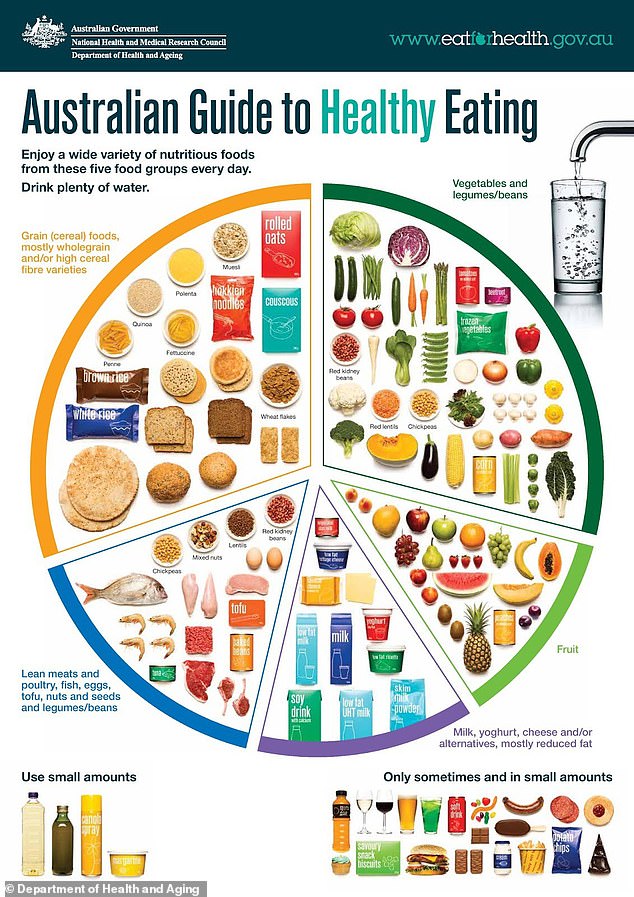
Additionally, people tend to consume more naturally gluten-free, nutrient-dense foods such as fruits, vegetables, legumes, and nuts, which can support gut health.
The Cost of Going Gluten-Free
For the approximately 1% of the population with coeliac disease, avoiding gluten is essential. However, for most people who feel better on a gluten-free diet, gluten is unlikely to be the true cause of their symptoms.
There are also financial and nutritional implications. Gluten-free foods are, on average, 139% more expensive than standard ones. They are often lower in fiber and key nutrients. Long-term avoidance of gluten can also reduce dietary diversity, alter gut microbes, and reinforce anxiety around eating.
Is It Worth Getting Tested?
Unlike coeliac disease or a wheat allergy, non-coeliac gluten sensitivity has no biomarker. Diagnosis relies on ruling out other conditions and structured dietary testing.
Based on the review, clinicians are advised to:
- Rule out coeliac disease and wheat allergy first
- Optimize the quality of someone’s overall diet
- Trial a low-FODMAP diet if symptoms persist
- Consider a four to six-week dietitian-supervised gluten-free trial, followed by a structured re-introduction of gluten-containing foods to see if gluten truly causes symptoms
This approach keeps restrictions targeted and temporary, avoiding unnecessary long-term exclusion of gluten.
If gluten doesn’t explain someone’s symptoms, combining dietary guidance with psychological support often works best. Expectation, stress, and emotion influence symptoms. Cognitive-behavioural or exposure-based therapies can reduce food-related fear and help people safely reintroduce foods they once avoided.
This integrated model moves beyond the simplistic “gluten is bad” narrative toward personalized, evidence-based gut–brain care.