
Nearly half of all Americans suffer from high blood pressure, a chronic condition that significantly increases the risk of life-threatening events such as blood clots, heart attacks, and strokes. Monitoring blood pressure and tracking its trends — when it tends to rise or what helps bring it back to normal — is essential for preventing these serious outcomes.
Blood pressure is the force exerted by blood against the walls of arteries as the heart pumps. A reading below 120/80 mm Hg is considered normal, while hypertension is defined as 130/80 mm Hg or higher. Several factors contribute to high blood pressure, including both reversible causes like poor diet, lack of physical activity, obesity, smoking, and stress, as well as genetic predispositions. Nearly half of U.S. adults have hypertension, and most require medication. About 40% take one drug, while the rest take two or more.
However, one often overlooked factor in managing blood pressure is the morning routine. Simple habits adopted in the morning can have a significant impact on maintaining healthy blood pressure levels. Doctors and scientists have identified five science-backed practices that can help lower and maintain blood pressure without expensive equipment or drastic changes.
These habits align with the body’s natural rhythms, reducing stress, rehydrating the system, and giving the heart a steady start. Here are some key morning adjustments that can make a big difference:
Avoid Screen Time
The first decision you make after waking — whether to reach for your phone or leave it aside — may affect your blood pressure more than you realize. Scrolling through emails, news, or social media immediately activates the sympathetic nervous system, triggering a fight-or-flight response. This leads to a spike in stress hormones like adrenaline, an increased heart rate, and elevated blood pressure.
Research shows that excessive screen time not only contributes to stress but also raises the risk of high blood pressure. A large 2023 analysis of 20 studies involving over 150,000 children and adolescents found that higher screen exposure was linked to a 15% greater chance of developing hypertension. Each additional hour of screen time raised systolic blood pressure by nearly 2 mmHg, and hypertensive children spent about 47 more minutes on screens daily than their healthy peers.

Do Breath Work
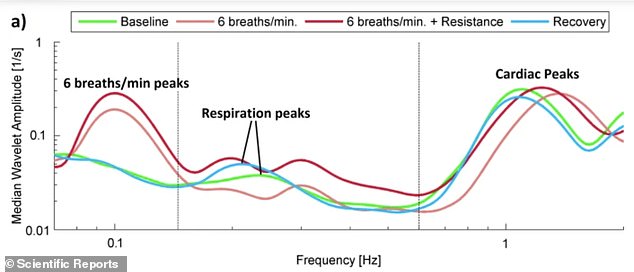
Breathing exercises, popular among wellness gurus and yogis, can immediately influence blood pressure. The way you breathe, especially in the first few minutes after waking, directly affects the autonomic nervous system, which regulates heart rate, stress response, and vascular tone.
The nervous system has two main branches: the sympathetic (accelerator) and the parasympathetic (brake). Most Americans spend their days in a stressed state, but morning breathing exercises can help shift into a calmer mode. By making exhales longer than inhales, you stimulate the vagus nerve, promoting relaxation and lowering blood pressure.
A study published in Clinical Cardiology found that slow, voluntary breathing exercises significantly reduced blood pressure and heart rate in people with hypertension. These exercises improved autonomic function, shifting the body from a fight-or-flight state to a rest-and-digest state.
Drink a Big Glass of Water
One of the simplest and most effective habits for blood pressure is drinking a large glass of water upon waking. After seven to nine hours of sleep, you wake up slightly dehydrated. Drinking water within 30 minutes of waking helps dilute concentrated plasma, easing the burden on the cardiovascular system.
A Japanese study found that staying well-hydrated significantly lowers the risk of dying from heart disease. People who drank the most water had up to a 21% lower risk of cardiovascular death compared to those who drank the least. Morning rehydration also quiets the RAAS, a hormonal cascade that raises blood pressure when the body senses dehydration.

Eat Potassium
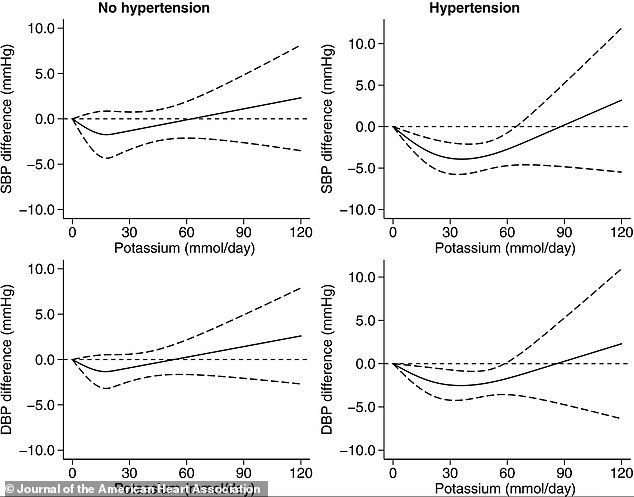
What you eat in the morning can be just as important as what you avoid. While many focus on reducing sodium, boosting potassium intake can be equally effective. Potassium relaxes blood vessel walls and helps the kidneys flush out excess sodium, reducing resistance and easing pressure on the cardiovascular system.
A study published in Circulation found that higher potassium intake was associated with lower blood pressure, particularly in women with high sodium consumption. Breakfast is an ideal time to consume potassium, as the kidneys excrete sodium more efficiently in the morning.
Get Outside
Spending time outside in the morning does more than provide fresh air. Sunlight triggers the release of nitric oxide, a natural vasodilator that relaxes and widens blood vessels, causing an immediate drop in blood pressure. Research from the University of Southampton found that 20 minutes of sun exposure can significantly lower blood pressure, with benefits lasting beyond the time spent outdoors.
Morning sunlight also influences the autonomic nervous system, shifting it from a stressed state to a relaxed one. This helps temper the natural morning surge in blood pressure, which peaks around 10:00 am.