UAE Takes Measured Steps to Counter Iranian Influence
The United Arab Emirates (UAE) has taken a series of strategic actions to counter Iran’s growing influence, particularly in the wake of recent attacks on its infrastructure. These steps include restricting the entry of most Iranians into the country and targeting Iranian-linked networks operating within the UAE.
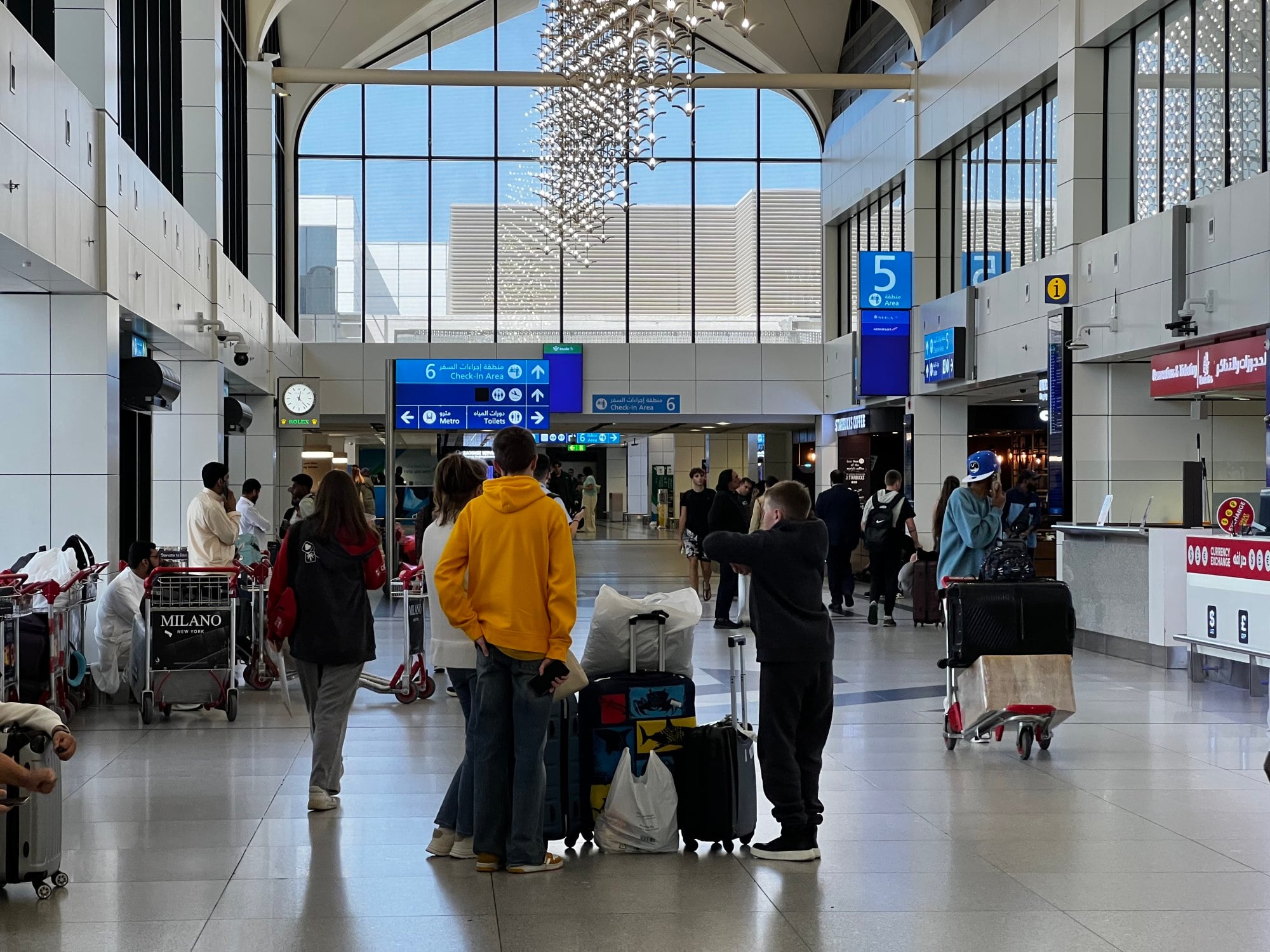
Rather than implementing broad measures that could escalate tensions, the UAE has opted for a more targeted approach. This includes a ban on most Iranians entering the country or transiting through its airports. The only exceptions are those with long-term residency visas, skilled professionals, and family members of Emirati citizens. This move has raised concerns among the Iranian expatriate community, many of whom fear potential mass expulsions.
In response to these fears, the UAE foreign ministry issued a statement emphasizing its commitment to maintaining a safe and stable environment for all residents. It highlighted that its policies are guided by established procedures and frameworks aimed at protecting the rights of all individuals.
Crackdown on Iranian Networks
Emirati authorities have also intensified their efforts to dismantle Iranian-backed networks operating within the UAE. This includes targeting shell companies in free-trade zones that are allegedly used by the Islamic Revolutionary Guards Corps (IRGC) to conduct illicit trade. These companies facilitate the movement of oil and petrochemicals to mainland China through intermediaries in Singapore and Hong Kong.
On March 20, the UAE State Security Apparatus announced the dismantling of a “terrorist network” linked to Iran and Hezbollah. According to officials, this network aimed to infiltrate the national economy through a strategic plan involving external parties. The network was accused of money laundering, terrorism financing, and threatening national security.
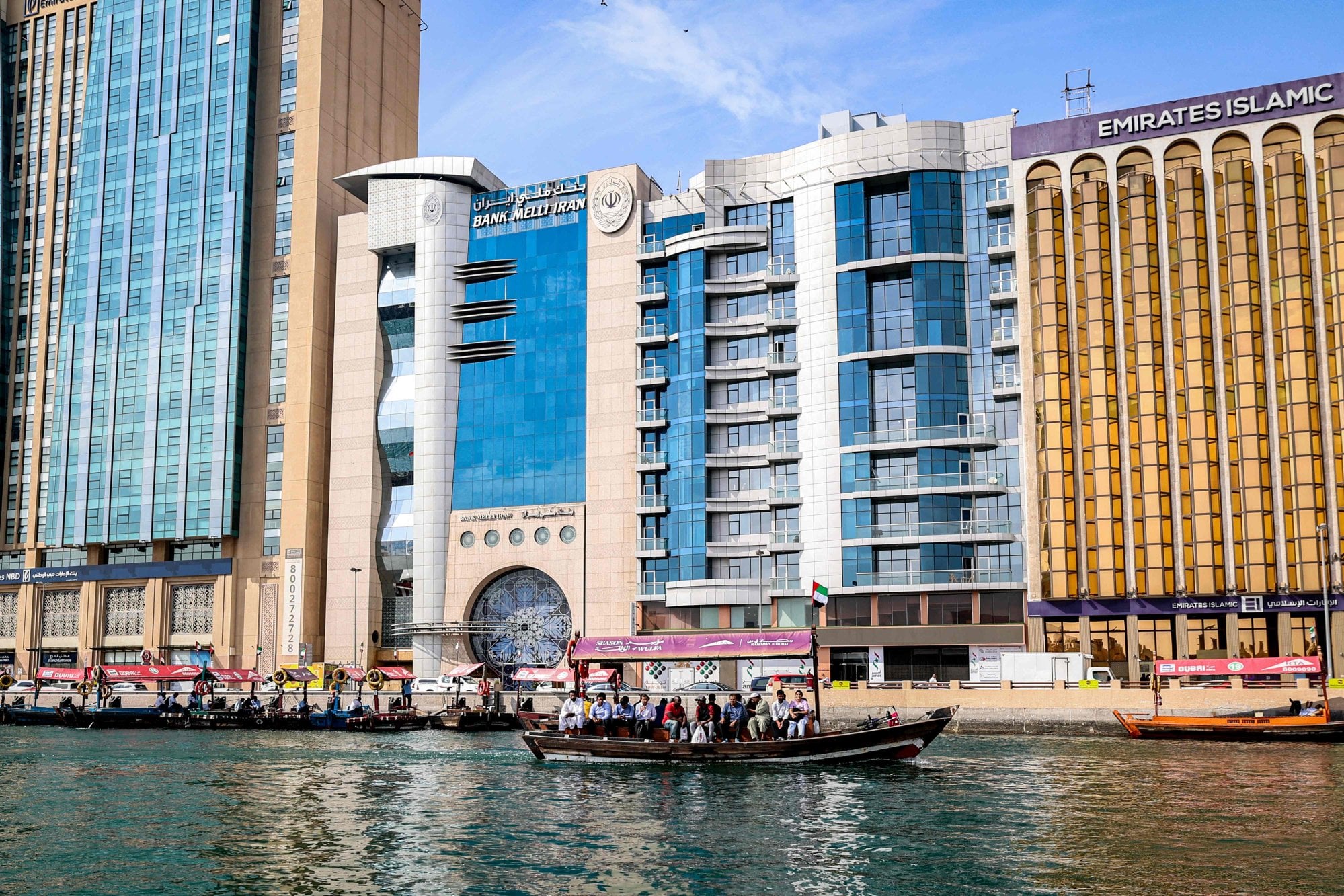
Experts suggest that such shell companies have long been used to launder proceeds from oil and petrochemical exports. These funds are then funneled to Iran under the guise of mislabeled imports. This practice has made them a frequent target of U.S. sanctions since 2018, when Washington withdrew from the 2015 nuclear deal with Iran.
Economic Ties and Strategic Shifts
Despite these measures, the UAE has maintained significant economic ties with Iran. Data from the World Trade Organization showed that Iran-UAE trade reached $28.2 billion in 2024, making the UAE Iran’s second-largest commercial partner after China. This trade relationship was partly driven by Gulf states’ attempts to incentivize pragmatic leaders in Iran to reduce attacks on their energy infrastructure.
However, recent developments indicate a shift in the UAE’s approach. Analysts suggest that the UAE is exploring calibrated measures to respond to Iran’s actions. The UAE has been a target of numerous ballistic missiles and drones launched by Iran, prompting calls for U.S. military intervention to lift Iran’s blockade of the Strait of Hormuz.
UAE officials have also urged the U.S. to ensure that any peace deal with Iran addresses the threat posed by Iranian drones and missiles. While the UAE remains in a defensive posture, there is a growing assertiveness in its stance towards Iran.
Impact on Iranian Elites
The UAE’s decision to restrict the entry of most Iranians is expected to have a significant impact on economic elites and the upper middle class in Iran. Dubai, as a business hub, has long served as a pressure valve for the Islamic Republic, allowing Iranians with resources or skills to continue their activities while avoiding the harsher aspects of life in Iran.
The loss of access to Dubai could increase internal pressures on the Iranian regime, potentially pushing it towards a more pragmatic approach. However, the UAE faces domestic pressure to cut off economic ties with Iran in response to its attacks.
Influential figures in the UAE have called for boycotting Iranian goods and cutting off all dealings with Iran. While it is unclear whether the UAE will take drastic economic action, analysts note a substantial shift in its policy approach. What began as a tactical move to pressure Iran may evolve into a long-term strategic shift.
Unlike other Gulf Cooperation Council members, the UAE appears to be doubling down on its decision to strengthen ties with the United States and Israel, even if it means sacrificing other relationships. Despite the political risks, the UAE can afford to cut off its economic lifeline to Iran given its wealth and the development of Dubai as a major regional hub.