People Power Party Finalizes Seoul Mayoral Primary Candidates
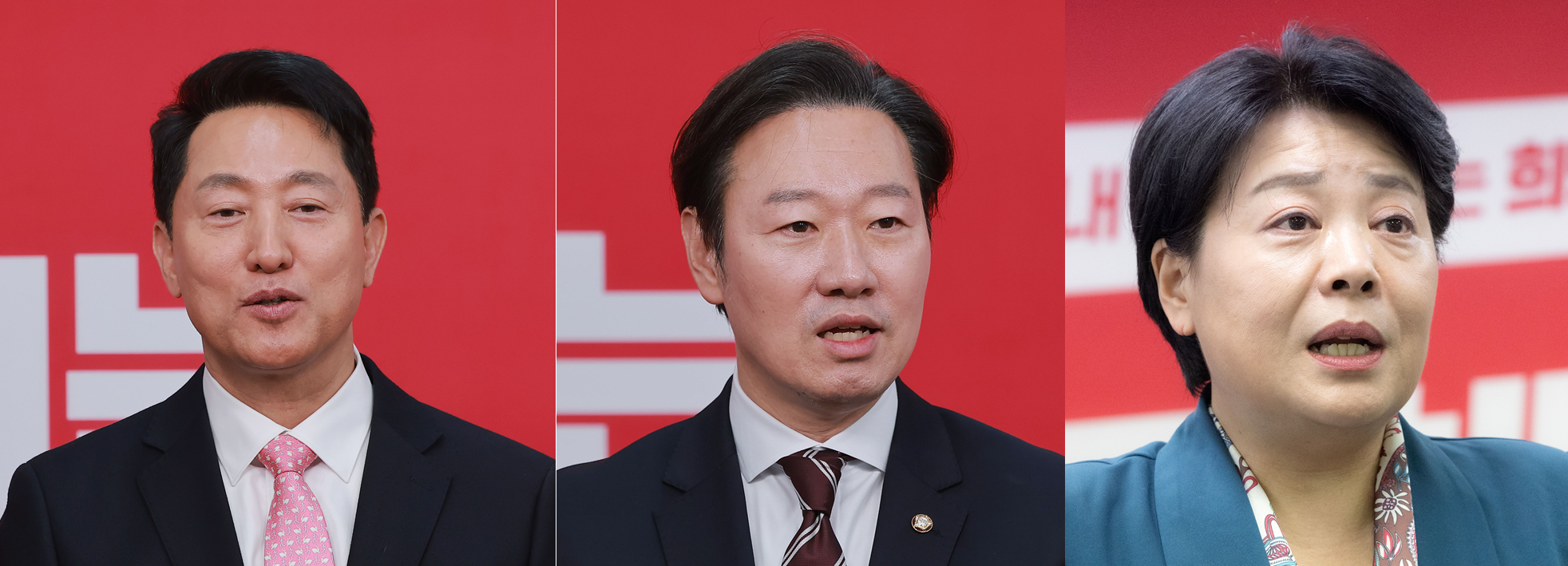
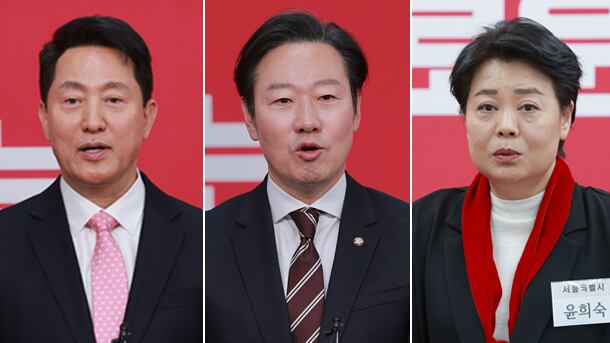
The nomination management committee of the People Power Party has officially narrowed down the field for its Seoul mayoral primary, selecting three key contenders to vie for the party’s nomination. The chosen candidates are the incumbent Seoul Mayor Oh Se-hoon, first-term Representative Park Soo-min, and former Representative Yoon Hee-suk. This decision marks the culmination of an application and review process that saw several individuals express their interest in leading the party’s bid for the capital city’s top office.
The committee’s announcement, disseminated through its 14th press statement on the morning of the 23rd, confirmed the selection of these three individuals. Sources close to the proceedings indicated that a resolution was passed during a closed-door meeting on the preceding afternoon, paving the way for a competitive primary to determine the final nominee.
The path to this shortlist was not without its initial complexities. The original application deadline on the 8th saw three candidates submit their credentials: former Representative Yoon, Chairman Lee Sang-gyu of the Seoul Seongbuk District Party Committee, and CEO Lee Sung-hyun of INPAQ Korea. However, incumbent Mayor Oh Se-hoon notably delayed his application, reportedly citing a desire for a shift in the party’s strategic direction. Following a second announcement for candidate recruitment, Mayor Oh officially registered his candidacy on the 17th. Both Representative Park Soo-min and former District Chief Kim Chung-hwan also submitted their applications during this extended period. To further assess the candidates, Mayor Oh, Representative Park, and former Chief Kim participated in interviews at the committee’s offices on the 22nd.
The selection process for the primary itself is structured to provide ample opportunity for debate and public engagement. The primary contest will feature two televised debates scheduled between the 24th and April 10th. This will be followed by an intensive campaign period from April 11th to April 15th, allowing candidates to directly connect with voters and party members. The crucial voting phase will then take place on April 16th and 17th. The final nominee will be determined by a balanced combination of 50% party member votes and 50% public opinion polls, with the official announcement of the winner slated for April 18th. The committee had initially envisioned three televised debates but ultimately revised this to two, a decision attributed to scheduling constraints and the need to streamline the process.
It has been confirmed that the “Korean Series” method, a preliminary competition format previously employed in the Gyeongbuk governor nomination process, will not be implemented for the Seoul mayoral primary. This approach, which typically involves an initial round of competition among candidates before a final primary involving incumbents, has been set aside in favor of a more direct primary contest for the Seoul race.
In its official statement, the nomination committee underscored the guiding principles behind its decisions. The committee emphasized its commitment to selecting a candidate based on demonstrable capability and preparedness, rather than solely on reputation or past career achievements. The statement read, in part: “This decision aims to select the most prepared candidate based on capability rather than reputation and through competition rather than career background. We will manage the upcoming primary strictly and fairly to ensure the voices of citizens and party members are fully reflected.” This commitment signals a dedication to a transparent and equitable selection process that prioritizes merit and the collective will of the party and the electorate.