Global Air Travel Gripped by Middle East Conflict: Skyrocketing Fuel Costs and Fare Hikes
The escalating conflict in the Middle East, now in its third week, shows no immediate signs of abating. The United States, Israel, and Iran are embroiled in a widening regional war that has sent significant shockwaves through the global air travel industry. The repercussions are being felt acutely by both airlines and passengers, leading to disrupted routes, soaring operational costs, and a dramatic increase in ticket prices.
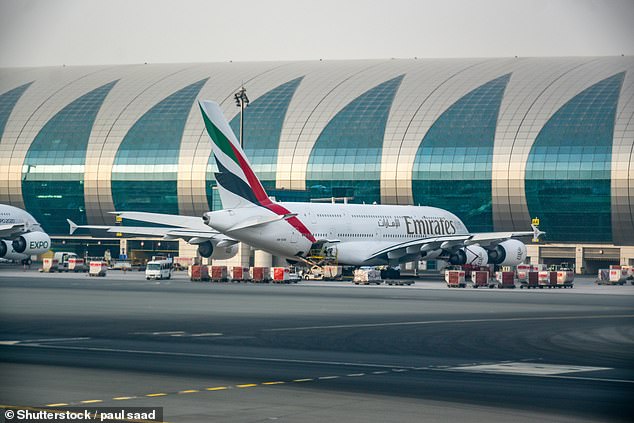
The impact on air travel has been profound and multifaceted. Missile and drone strikes have directly affected major airports, leading to the closure of vital routes through the Middle East. Concurrently, the price of jet fuel has nearly doubled, presenting a significant challenge for airlines worldwide. These combined factors translate into higher operating expenses and a reduction in available flight capacity, forcing many travellers to contend with fewer options and substantially higher fares.
For some, the current climate may necessitate a revision, postponement, or even outright cancellation of their travel plans. However, a considerable number of individuals who must fly for professional or personal obligations face exorbitant costs or are being forced to explore complex and unconventional travel arrangements. The situation raises crucial questions about the immediate and future functioning of global air travel, while also offering practical advice for ordinary travellers navigating this period of uncertainty.
The Dual Blow: Fuel Costs and Capacity Crunch
For virtually every airline globally, fuel and labour represent the two most significant operational expenditures. The ongoing energy market disruption stemming from the conflict has led to a dramatic surge in jet fuel prices, with the average cost nearly doubling. There is little indication that this trend will reverse in the near future. The situation could potentially worsen if the global energy market faces further escalation, particularly if gas plants and fields in Qatar and Iran become targets.

Currently, the sharp increase in fuel prices has likely propelled jet fuel to become the primary cost for many airlines, if it wasn’t already. However, fuel costs are not the sole driver of the current crisis.
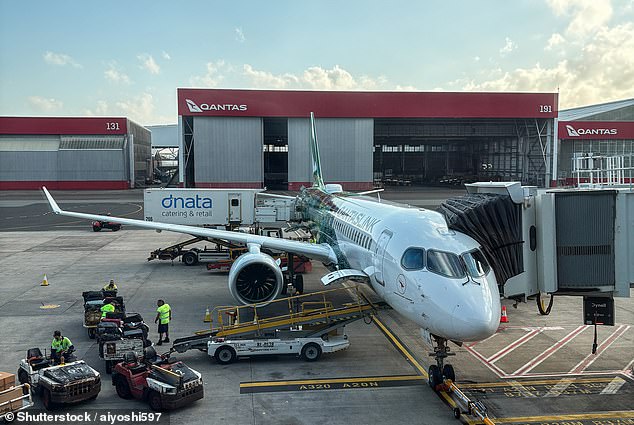
For travellers, especially those in regions like Australia looking to travel to or through the Middle East, the removal of millions of airline seats from flight schedules has created immense demand on alternative routes. This surge in demand, coupled with reduced capacity, has inevitably led to significant fare increases. Many major international airlines have already implemented substantial hikes in their international fares, and further increases are anticipated. For instance, Qantas has announced it will be reviewing its international airfares bi-weekly to adapt to the volatile market conditions.
Dynamic Pricing in a Time of Crisis
The current market has seen some tickets listed at extraordinarily high prices. Cathay Pacific, for example, garnered attention for advertising business class tickets from Sydney to London, with a stopover in Hong Kong, for nearly A$40,000 return. While this price point may seem extreme, it is a direct consequence of the ‘dynamic pricing’ model widely employed by airlines. This system, which often involves analysing passenger flight search behaviour, aims to identify the maximum price an individual is willing to pay for a ticket and then offer it at that price.
From a passenger’s perspective, this can feel exploitative, especially during a crisis where travel may be essential. However, airlines might argue that this pricing mechanism ensures that a seat remains available for those who demonstrate a genuine and urgent need to fly, as indicated by their willingness to pay a premium.
Rethinking Global Routes and Travel Strategies
The ongoing conflict has fundamentally altered airlines’ ability to forecast their costs with any degree of certainty. This poses a significant challenge, given that flight seats are typically made available for booking up to a year in advance. The long-term implications for popular flight routes worldwide remain uncertain.
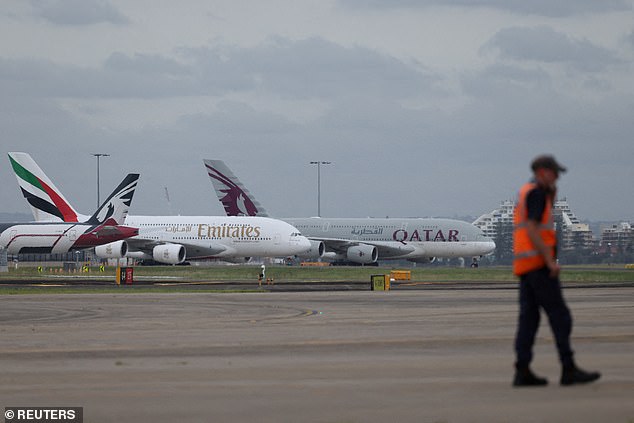
The Middle East’s strategic geographical location has historically made it a convenient hub for accessing a vast portion of the globe via non-stop flights. Its position at the crossroads of major international travel corridors, combined with government backing for many of its carriers, has historically contributed to their operational and financial stability. However, if the current conflict jeopardises these advantages in the long run, other airlines might emerge as key players, potentially offering more competitive fares by increasing their capacity.
Airlines based in Asia are particularly well-positioned to serve travellers from Australia heading to Europe. However, the heightened demand for these routes has already led to a significant increase in airfares.
The Risks of DIY Travel Planning
An alternative strategy for some travellers is to piece together multiple tickets on different carriers, a method that could potentially reduce costs and add an element of adventure. However, this approach carries several significant risks that could negate any initial savings:
- Accumulated Expenses: The “extras” associated with self-organised itineraries can quickly add up. This often includes costs for overnight layovers, multiple baggage fees, and additional meals during transit.
- Visa Complexities: Travellers must remain vigilant about visa requirements for any transit countries and factor in associated visa fees.
- Lack of Protection: Crucially, a “do-it-yourself” approach often means that passengers are not protected against the ripple effects of delays or cancellations across multiple tickets issued by different airlines. If one flight is delayed, it could lead to missed connections on other airlines, with no single carrier taking responsibility for rebooking or compensation.
Navigating Current Bookings and Future Travel
For those planning travel in the coming months, many airlines operating in the Middle East are currently offering flights with reduced schedules to accommodate operational restrictions. However, given the prevailing uncertainty, these schedules may not be as reliable as passengers would typically expect.
Purchasing flexible fare options and comprehensive travel insurance can offer some mitigation against travel disruptions, but these come with additional costs.
Advice for Existing Bookings
For travellers who have already booked flights but are concerned about their ability to travel, some airlines are implementing cancellation or rebooking policies for passengers affected by the conflict within specific travel windows. These policies may include fee waivers, complimentary rebooking, or penalty-free cancellations.
However, individuals whose travel dates do not fall within these eligible periods should refrain from proactively cancelling their flights. It is generally advisable to wait for the airline to formally announce that a flight cannot operate. This approach maximises the chances of the airline being responsible for arranging rebooking, providing a refund, or offering other necessary accommodations.